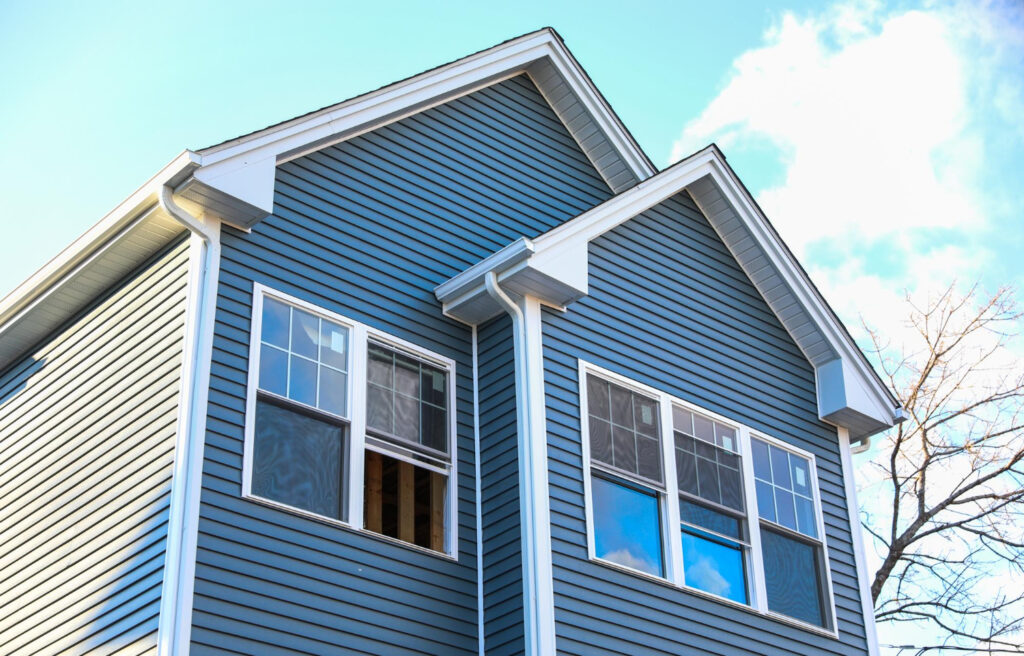
After a few hot Louisville summers and a hailstorm or two, siding starts to show its age. Colors fade, panels crack and a few pieces may even be loose. When it’s time to replace it, the number of house siding options can feel overwhelming.
Here is the short answer. Vinyl is usually the lowest-cost choice. Fiber cement and brick veneer last the longest. Engineered wood sits in between and gives you a wood look with less upkeep. There is no single best siding for every house. The right pick depends on your budget, how much upkeep you want and how your home handles our weather.
Siding Options at a Glance
Here is how the most common types of siding compare. Costs are shown from $ (lowest) to $$$$ (highest), because exact prices depend on your home.
| Siding type | Relative cost | Typical lifespan | Upkeep | Best for |
| Vinyl | $ | 20 to 40 years | Low | Tight budgets, simple upkeep |
| Insulated vinyl | $$ | Similar to vinyl | Low | Vinyl look with a sturdier feel |
| Engineered wood | $$ | 20 to 40 years | Medium | Wood look without real wood upkeep |
| Fiber cement | $$ to $$$ | 30 to 50+ years | Medium | Long life and fire resistance |
| Metal (steel or aluminum) | $$ to $$$ | 40+ years | Low | Modern looks, low upkeep |
| Natural wood | $$$ | Varies a lot with care | High | Classic or historic homes |
| Brick or stone veneer | $$$$ | 100 years or more | Very low | Longest life, accent walls |
Lifespans assume good installation and basic care. A poorly installed product of any type will fail early.
The Most Common Types of House Siding
Vinyl Siding
Vinyl siding is made from PVC, a type of plastic, formed into panels that lock together. It is the most common choice for budget-minded homeowners.
- Pros: lowest cost, never needs painting, cleans with a garden hose
- Cons: can crack when hit in cold weather, fades over time, and can warp if sunlight reflects onto it from a nearby window
Insulated Vinyl
This is vinyl siding with a layer of rigid foam attached to the back. The foam fills the gap between the panel and the wall.
- Pros: feels stiffer and straighter on the wall, resists dents better than thin vinyl, adds a little insulation
- Cons: costs more than standard vinyl and still has vinyl’s fading and heat limits
Fiber Cement
Fiber cement boards are made from cement, sand and wood fibers pressed together. They can be made to look like wood boards or shingles.
- Pros: won’t burn, rot or attract termites, and handles hail and heat well
- Cons: heavy, so installation costs more, and it needs repainting every so often unless you choose boards with a factory finish
Engineered Wood
Engineered wood is made from wood strands or chips mixed with resin and wax, then pressed into boards and treated to resist moisture and bugs.
- Pros: looks like real wood, lighter than fiber cement, holds up to impacts well
- Cons: the cut ends must be sealed and painted properly, or water can get in and cause swelling
Natural Wood
Natural wood siding includes cedar, pine and other real wood boards, shingles or shakes.
- Pros: a warm, classic look that suits older and historic homes
- Cons: needs painting or staining every few years, and can rot, split or attract bugs if neglected. Its lifespan can range from about 10 years to many decades depending on care.
Metal Siding
Metal siding comes in steel or aluminum panels with a baked-on painted finish.
- Pros: very low upkeep, won’t burn, and steel lasts for decades
- Cons: dents in hail (aluminum dents most easily), and steel can rust where the coating gets scratched
Brick and Stone Veneer
Veneer is a thin layer of real or manufactured brick or stone attached to the outside wall. It looks like a solid masonry wall but is not part of the home’s structure.
- Pros: the longest-lasting option, with very little upkeep
- Cons: the highest cost, and heavy. Many homeowners use it only on the front or lower part of the house as an accent.
Stucco, a cement-based plaster coating, is another option you may come across, but it is not covered in detail here.
How Louisville Weather Affects Your Siding Choice
Our weather puts siding through a lot each year. Here is what to think about:
- Humid summers. Moisture is hard on natural wood and on any siding with gaps where water can sit. Wood needs regular sealing here.
- Metal siding can dent, and thin vinyl can crack, especially when hail hits on a cold day. Fiber cement, engineered wood and insulated vinyl handle impacts better.
- Freeze and thaw. Water that gets behind siding can freeze, expand and push panels or joints apart. Good caulking and flashing around windows matter as much as the siding itself.
- Hot sun. Dark colors fade faster on vinyl. Vinyl can also warp if sunlight reflects off a neighbor’s window onto one spot.
If your home is partly brick, with siding only on the gables, dormers or an addition, pick a siding color and texture that works with the brick rather than fighting it. Whatever you choose, a yearly walk-around using an exterior maintenance checklist helps you catch loose pieces and failing caulk early.
Which Siding Is Best for Your Home?
The best siding for your house depends on what matters most to you. Use this as a starting point:
| If your top priority is… | Consider |
| The lowest upfront cost | Vinyl |
| The least upkeep | Vinyl, metal or brick veneer |
| The longest life | Brick or stone veneer, then fiber cement |
| Standing up to hail and storms | Fiber cement, engineered wood or insulated vinyl |
| A real wood look | Engineered wood or fiber cement with a wood grain |
| Fire resistance | Fiber cement, metal or brick veneer |
For example, if you plan to sell in five years, vinyl may make the most sense. If this is your long-term home and you want fewer worries after storms, fiber cement or engineered wood may be worth the higher cost.
What Else to Plan For When Replacing Siding
New siding is a good time to fix what is hidden behind the old siding:
- The wall underneath. Once the old siding comes off, the wood boards behind it should be checked for soft spots or rot. These need repair before new siding goes on.
- House wrap. This is a water-resistant sheet installed between the wall and the siding. It stops rain that gets past the siding from soaking into the wall.
- Trim and fascia. The boards around windows and along the roof edge often wear out at the same time. Replacing worn fascia and trim during the siding job usually costs less than doing it later.
- Color that works with your roof. Siding and roof are the two biggest color areas on your home, so choose them together. Thinking about your roof color first can make the siding choice easier.
House Siding FAQs
What is a better option than vinyl siding?
It depends on what you want to improve. For a longer life and better impact resistance, look at fiber cement or engineered wood. If you like vinyl but want something sturdier, insulated vinyl is a smaller step up in cost.
What is the newest trend in siding?
Mixing two materials is a popular look, such as lap siding on most of the house with vertical board and batten or a stone accent near the entry. Wood-look finishes on low-upkeep materials are another common choice.
How much does siding cost for a 2,000 sq ft house?
It depends mostly on the material and how much wall area your home has, not just its floor size. For a full breakdown by material, see what new siding costs for homes like yours.
Can you put new siding over old siding?
Sometimes it is possible, but it is rarely a good idea. Covering old siding hides any rot or water damage underneath, can trap moisture and may not meet the new product’s installation rules. Removing the old siding lets you see and fix what is behind it.
Not Sure Which Siding Fits Your Home?
Every home is different. Your budget, how long you plan to stay and how much upkeep you want all point to different answers. A quick look at your walls, trim and the condition of what is under your current siding usually makes the choice much clearer.
GoRoofGuys is a licensed and insured contractor serving Louisville and Cincinnati. Our siding contractors can walk around your home with you, explain the trade-offs of each option in plain terms and give you a free written estimate, so you can choose what fits your needs.