
Most homeowners do not think about their roof, gutters, or siding until something goes wrong. A small crack in the foundation gets ignored for a year. A gutter that overflows every spring keeps overflowing every spring after that. Then one day a leak shows up on the ceiling, or the siding starts to rot, and what could have been a simple fix turns into an expensive repair.
The good news is that most of this is avoidable. A regular exterior home maintenance checklist takes only a few hours each season, but it can save you thousands of dollars and a lot of stress later on. This guide breaks down exactly what to check and when, so small problems get caught before they turn into big ones.
Why an Exterior Maintenance Checklist Matters
Your home takes a beating from the weather all year long. Rain, wind, sun, and freezing temperatures all wear down the outside of your house a little at a time. Most of that wear happens slowly, which is exactly why it is easy to miss.
A regular maintenance routine gives you three things. First, it catches small issues, like a loose shingle or a hairline foundation crack, while they are still cheap to fix. Second, it protects the value of your home, since buyers and appraisers both notice a well kept exterior. Third, it keeps your family safer by catching hazards like pest damage, mold, or structural shifting before they become serious.
A simple rule of thumb many homeowners use is to set aside one to two percent of their home’s value each year for general upkeep. That number will vary depending on the age of your home and your local climate, but it is a helpful starting point for budgeting.
Spring Checklist
Spring is the best time to check for anything winter left behind.
- Inspect the roof. Look for missing, cracked, or curled shingles, along with any damaged flashing around chimneys or vents. Ice and snow can loosen materials without any obvious signs from the ground.
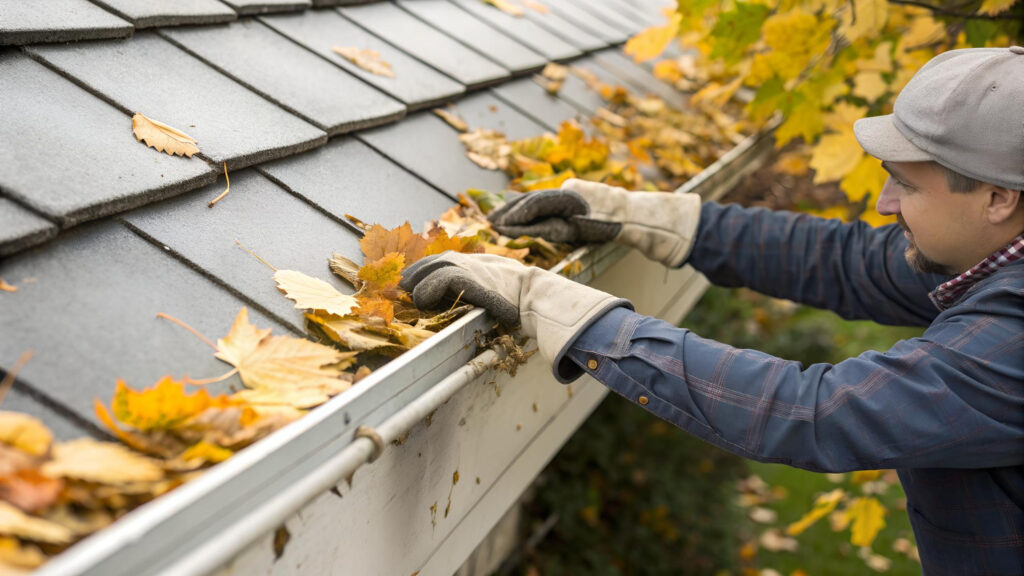
- Clean the gutters. Clear out leaves and debris so spring rain can drain properly instead of pooling near your foundation.
- Check the siding. Look for cracks, warping, or peeling paint. Bubbling or discolored siding often means moisture is trapped underneath.
- Inspect the foundation. Hairline cracks are common, but wider gaps or doors that suddenly stick can be a sign of settling.
- Service the air conditioner. Get it checked before the summer heat arrives so small issues do not turn into a system failure.
- Look for pest activity. Mud tunnels, small holes, or sawdust like debris near the foundation are worth a closer look.
Summer Checklist
Summer is a good time for outdoor projects since the weather usually cooperates.
- Pressure wash the exterior. This removes dirt, mold, and mildew buildup from siding, walkways, and the driveway.
- Inspect the deck or patio. Check for loose boards, popped nails, or early signs of rot.
- Check window seals. Gaps here waste energy and let moisture in.
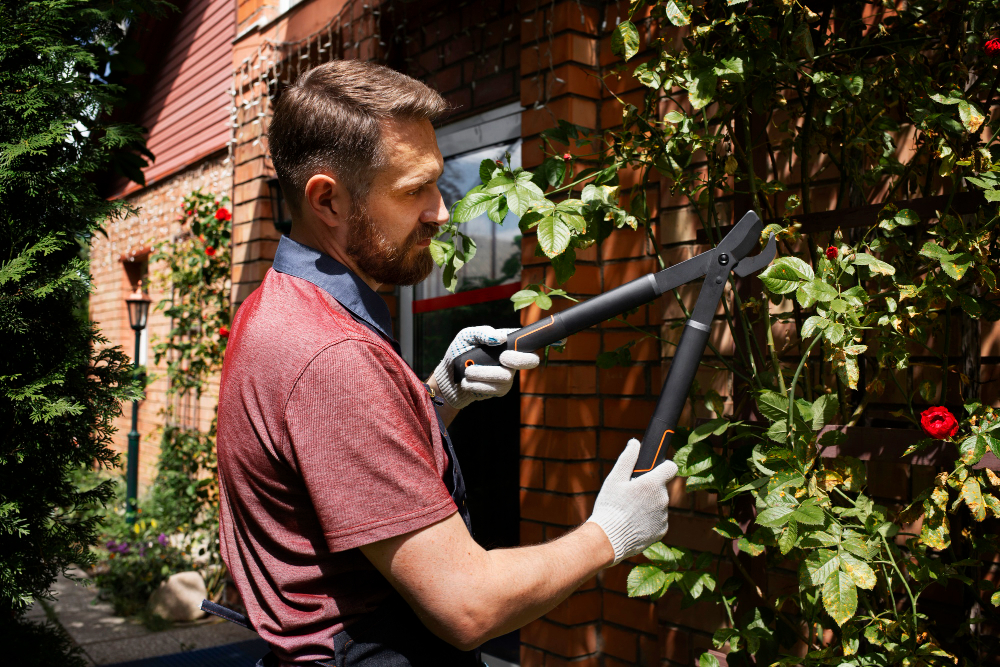
- Trim trees and shrubs. Keep branches away from the roofline so they cannot scrape shingles or drop debris into gutters.
- Clean the dryer vent. It is easy to forget, but a clogged vent is both a fire risk and an energy drain.
Fall Checklist
Fall is the most important season for exterior maintenance, since it is your last real chance to prepare before winter weather arrives.
- Clean the gutters again. Falling leaves clog gutters fast, and clogged gutters lead to ice dams later in the year.
- Schedule a full roof inspection. This is the single most valuable maintenance task of the year. A professional can spot worn shingles, damaged flashing, or ventilation issues before snow and ice make everything worse.
- Check attic ventilation. Poor airflow in the attic is one of the leading causes of ice dams, so this is worth addressing now rather than in January.
- Weatherproof doors and windows. Fresh caulk and weatherstripping keep the cold out and lower heating costs.
- Drain outdoor faucets and hoses. Shut off exterior water lines to avoid frozen pipes.
Winter Checklist
Once winter hits, the focus shifts from repairs to monitoring.
- Watch for ice dams. These form when heat escapes through the roof, melts snow, and then refreezes at the edge. Icicles along the gutter line are an early warning sign.
- Clear heavy snow buildup. Too much weight on the roof can cause structural stress, especially on older homes.
- Check attic insulation. Good insulation keeps heat where it belongs and reduces the risk of ice dams.
- Keep walkways clear. Ice on steps and walkways is one of the most common causes of winter injuries at home.
Seasonal Checklist at a Glance
| Season | Key Tasks |
| Spring | Roof check, gutter cleaning, siding inspection, foundation check, AC service |
| Summer | Pressure washing, deck inspection, window seals, tree trimming |
| Fall | Gutter cleaning, full roof inspection, attic ventilation check, weatherproofing |
| Winter | Ice dam watch, snow removal, insulation check, walkway safety |
A Closer Look at Roof and Gutter Care
Of everything on this list, your roof and gutters deserve the most attention. They take the brunt of every storm, and problems here rarely stay small for long. A missing shingle can let water into your attic within a single heavy rain. A clogged gutter can send water straight into your foundation instead of away from it.
A few signs that a roof issue needs a professional rather than a quick DIY fix include daylight visible through the attic boards, sagging areas anywhere on the roofline, shingles that are curling or missing in clusters rather than one at a time, and water stains that keep spreading on ceilings or walls. If you notice any of these, it is worth having a roofing professional take a look before the next storm rolls through.
DIY vs. When to Call a Professional
Plenty of tasks on this checklist are fine to handle yourself. Cleaning gutters, replacing caulk, and doing a visual walk around your home twice a year all fall into that category.
Other issues are better left to a professional. Roof repairs, chimney problems, structural cracks, and anything involving electrical or plumbing systems can get expensive fast if handled incorrectly. When in doubt, a quick inspection from a professional is almost always cheaper than guessing.
Tips to Stay Consistent
The hardest part of home maintenance is not knowing what to do, it is remembering to do it. A few things that help:
- Set a calendar reminder at the start of each season.
- Keep a simple checklist, whether on paper or in an app, and check items off as you go.
- Take a few photos of your roof, siding, and foundation each season so you can spot changes over time.
Final Thoughts
Staying on top of exterior maintenance does not have to take over your weekends. A few focused hours each season is usually enough to catch problems while they are still small and inexpensive to fix. If you are ever unsure about the condition of your roof or gutters, it is always worth having a professional take a look rather than waiting until a small issue becomes a costly one.