
Are you aware that the color of your roof can significantly influence your home’s energy consumption and aesthetic appeal? The right roof color can not only enhance your home’s curb appeal but also reduce your cooling costs and environmental footprint. Considering the best roof colors can make a substantial difference.
Choosing the ideal roof color is more than just a matter of personal taste; it’s about striking a balance between beauty and energy efficiency. In this article, we’ll explore how different roof colors can impact your home and provide guidance on selecting the most suitable one.
Key Takeaways
- Understanding how roof colors affect energy efficiency.
- Exploring the impact of different roof colors on curb appeal.
- Guidance on choosing the best roof colors for your home.
- Tips on balancing aesthetics and energy efficiency.
- Factors to consider when selecting the best roof colors.
Why Your Roof Color Matters More Than You Think
Your roof’s color is not just about looks; it significantly influences your home’s overall energy consumption and resale value. A well-chosen roof color can complement your home’s architectural style, enhance its curb appeal, and even influence its energy consumption.
The impact of roof colors on energy efficiency is substantial. Lighter roof colors tend to reflect sunlight, reducing the amount of heat absorbed by your home. This can lead to lower cooling costs during warmer months. Conversely, darker roof colors absorb more heat, which can be beneficial in colder climates by reducing heating costs.
Beyond energy efficiency, the color of your roof also plays a significant role in neighborhood aesthetics. A roof color that complements the surrounding homes can enhance the overall appearance of the neighborhood. Moreover, when it comes time to sell your home, a well-chosen roof color can significantly impact its resale value. Potential buyers are often drawn to homes with attractive, well-maintained exteriors.
- A roof color that complements the home’s architectural style
- Energy efficiency influenced by the roof’s ability to reflect or absorb heat
- Resale value impacted by the overall curb appeal
In conclusion, the color of your roof is a critical aspect of your home’s overall performance and appeal. By choosing a roof color that balances aesthetics with energy efficiency, you can enhance your home’s value and reduce its environmental footprint.
The Science Behind Roof Colors and Temperature Control
The science behind roof colors and temperature control is rooted in the principles of color theory. This fundamental concept explains how different colors interact with sunlight, affecting your home’s energy efficiency and overall comfort.
How Color Theory Affects Heat Absorption
Color theory plays a crucial role in determining how much heat your roof absorbs or reflects. Lighter colors tend to reflect sunlight and heat, while darker colors absorb it. This principle is essential in understanding how to choose a roof color that helps control your home’s temperature. For instance, in warmer climates, lighter roof colors can significantly reduce the amount of heat absorbed, leading to lower cooling costs.
In contrast, darker roof colors can be beneficial in colder climates by absorbing heat and potentially reducing heating costs. However, it’s essential to consider the overall energy efficiency and the specific climate you live in when selecting your roof’s color.
Understanding Light Reflectance Values and Energy Savings
Light Reflectance Value (LRV) is a measure of how much light a surface reflects. In the context of roofing, LRV is crucial because it directly impacts energy consumption. Roofs with higher LRV values reflect more sunlight, keeping your home cooler in the summer and potentially reducing energy costs.
- High LRV roofs can lead to significant energy savings in warm climates.
- Lower LRV roofs are more suitable for colder climates where heat absorption is beneficial.
- Understanding LRV can help homeowners make informed decisions about their roof’s color and energy efficiency.
The Solar Reflectance Index Explained
The Solar Reflectance Index (SRI) is another critical metric that measures a roof’s ability to reflect solar heat. It’s calculated based on the roof’s reflectance and emittance. A higher SRI indicates better solar reflectance, meaning the roof is more effective at reflecting solar heat rather than absorbing it.
SRI is particularly useful for comparing different roofing materials and colors. For example, a roof with a high SRI can stay cooler in the sun, reducing the need for air conditioning and enhancing energy efficiency.
Trending Roof Color Combinations for Modern Homes
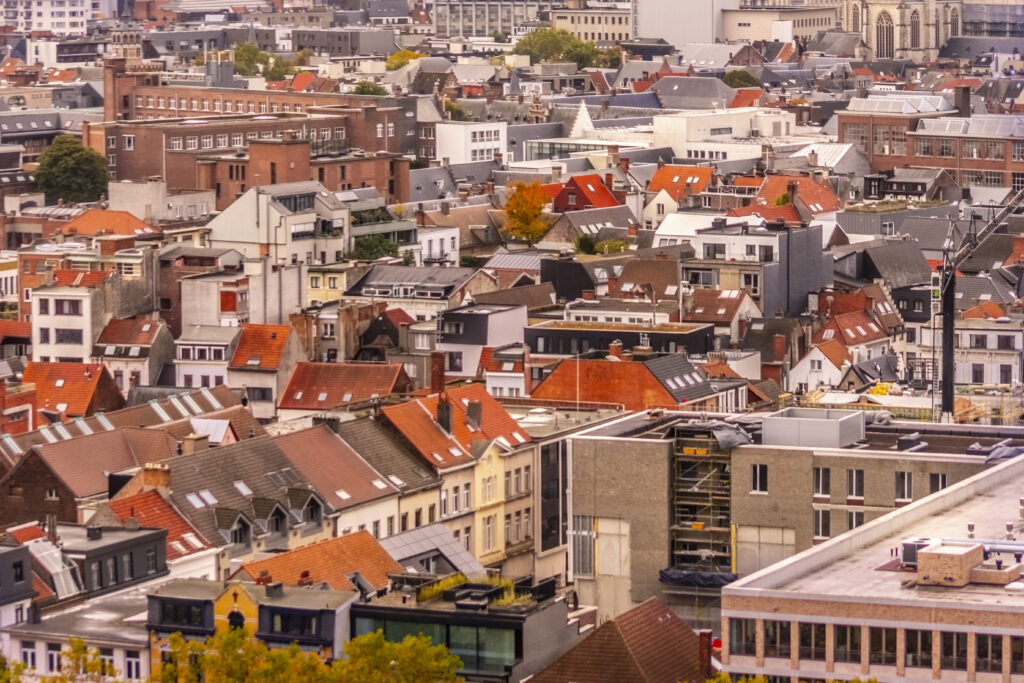
Modern homes are embracing a wide range of roof color combinations that not only enhance their curb appeal but also contribute to energy efficiency. The choice of roof color is no longer just about aesthetics; it’s also about making an environmentally conscious decision. As we explore the trending roof color combinations, you’ll discover how different hues and shades can transform your home’s appearance and impact its energy consumption.
Classic Neutrals: Grays and Browns
Grays and browns are timeless choices that continue to dominate the roofing landscape. These classic neutrals offer a versatile appeal that complements a variety of architectural styles. Grays range from light silver to deep charcoal, providing a sophisticated look that can make your home stand out. Browns, on the other hand, offer warmth and coziness, blending seamlessly with natural surroundings.
- Light gray roofs can make a home appear sleek and modern.
- Dark brown roofs add a touch of warmth and tradition.
- Weathered wood tones offer a rustic, natural look.
Bold Statements: Blues and Greens
For homeowners looking to make a bold statement, blues and greens are increasingly popular. These colors not only add a unique touch to your home’s exterior but can also reflect your personality. Blues, ranging from sky blue to navy, can evoke a sense of calmness and serenity. Greens, from lime to forest, bring a natural, earthy feel to your home.
- Navy blue roofs can give a home a dramatic, sophisticated look.
- Green roofs can blend a home into its natural surroundings.
- Teal or turquoise roofs offer a unique, eye-catching appearance.
Timeless Appeal: Black and Charcoal Tones
Black and charcoal tones are classic choices that never go out of style. These dark hues offer a sleek, sophisticated appearance that can enhance your home’s curb appeal. Black roofs are particularly popular for their ability to create a dramatic contrast with lighter-colored walls. Charcoal tones, on the other hand, provide a subtle, understated elegance.
- Black roofs can create a striking contrast with light-colored homes.
- Charcoal tones offer a versatile, neutral appearance.
- Dark roofs can help hide dirt and stains, reducing maintenance.
Choosing the Best Roof Colors for Your Home
When it comes to choosing the best roof colors for your home, several factors come into play. It’s not just about selecting a color you like; it’s about making a decision that enhances your home’s value, complies with local regulations, and fits in with your neighborhood’s aesthetic.
Navigating HOA Guidelines and Color Restrictions
If you live in a neighborhood with a Homeowners Association (HOA), you’ll need to check the guidelines for roof color restrictions. These rules are in place to maintain a uniform look across the community. Reviewing these guidelines carefully can save you time and potential fines down the line.
To navigate HOA guidelines effectively:
- Request a copy of the HOA’s architectural guidelines.
- Check if there are specific color palettes or roofing materials approved.
- Submit your roof color plan for approval before making any changes.
Matching Your Neighborhood Aesthetic
Beyond HOA rules, it’s essential to consider the overall aesthetic of your neighborhood. A roof color that clashes with the surrounding homes can stand out in a negative way. Blending in can be particularly important if you’re planning to sell your home in the near future.
To match your neighborhood aesthetic:
- Observe the dominant roof colors in your area.
- Consider the style and era of your home and its neighbors.
- Choose a roof color that complements the local architectural style.
Maximizing Resale Value Through Color Selection
The color of your roof can significantly impact your home’s resale value. Neutral colors tend to appeal to a broader audience, while bold colors might limit your buyer pool. Opting for timeless colors can be a safe bet if you’re concerned about resale value.
To maximize resale value:
- Stick to neutral or classic colors that are unlikely to go out of style.
- Avoid very dark or very light colors that might not appeal to everyone.
- Consider the color of your home’s exterior and how the roof color will complement it.
How Roofing Materials and Texture Change Color Appearance
The color of your roof is not just about the hue you choose, but also about the material and texture that bring it to life. Different roofing materials can significantly alter the appearance of the color you’ve selected, making it essential to consider both factors during the selection process.
Material Matters: The type of roofing material you choose can dramatically impact how the color appears. Let’s explore some common roofing materials and their effects on color appearance.
Asphalt Shingles: Texture and Color Depth Variations
Asphalt shingles are a popular choice for roofing due to their versatility and affordability. They come in a variety of textures, from flat to dimensional shingles, which can create different color depth effects. Dimensional shingles, for instance, have a more complex texture that can give the roof a more dynamic appearance, as the varying depths and angles catch the light differently.
Why Dimensional Shingles Look Different Than Flat Shingles
Dimensional shingles are designed to mimic the look of natural slate or wood shakes. Their multi-dimensional texture creates a richer, more varied color appearance compared to flat shingles. This is because the different layers and tabs of the shingles create shadows and highlights, adding depth to the color.
Metal Roofing: How Finish Affects Color and Reflectivity
Metal roofing is known for its durability and energy efficiency. The finish on metal roofing can significantly affect its color appearance and reflectivity. A smooth finish can make the color appear more vibrant and reflective, while a textured or matte finish can reduce glare and provide a more subtle color appearance.
- A smooth finish enhances color vibrancy and reflectivity.
- A textured or matte finish reduces glare.
- The color appears more consistent across the roof surface with a uniform finish.
Tile and Slate: Natural Texture Creates Color Richness
Tile and slate roofing materials are prized for their natural beauty and durability. The natural texture of these materials can create a rich, varied color appearance. Each tile or slate piece can have unique characteristics, such as subtle color variations and texture differences, which contribute to the overall aesthetic of the roof.
In conclusion, when choosing the best roof colors, it’s crucial to consider the material and texture of the roofing. By understanding how different materials and textures influence color perception, homeowners can make more informed decisions that enhance the beauty and energy efficiency of their homes.
Professional Tips for Testing Roof Colors Before You Commit
Before committing to a specific roof color, it’s essential to test it thoroughly to avoid potential regrets. Testing roof colors is a crucial step that can make a significant difference in the overall appearance and energy efficiency of your home.
Viewing Sample Shingles in Different Lighting Conditions
One of the most effective ways to test roof colors is by viewing sample shingles in various lighting conditions. Natural light can significantly impact how the color appears on your roof. Observe the samples at different times of the day to see how the color changes.
For instance, a roof color that looks great in the morning might appear differently during the harsh afternoon sun. This simple step can help you make a more informed decision.
Using Digital Visualization Tools and Mobile Apps
In today’s digital age, there are numerous tools and apps available that can help you visualize how different roof colors will look on your home. Digital visualization tools allow you to upload a picture of your house and superimpose different roof colors onto it.
- Some popular digital tools include online roof color visualizers provided by roofing material manufacturers.
- Mobile apps that use augmented reality (AR) technology to show how different roof colors will appear on your home.
These tools can provide a more accurate preview and help you narrow down your options.
Accounting for Seasonal Light and Weather Changes
It’s also important to consider how seasonal changes in light and weather will affect the appearance of your roof color. Seasonal variations in sunlight, foliage, and weather conditions can all impact how your roof color looks throughout the year.
For example, a roof color that looks great during the sunny days of summer might appear different during the overcast skies of winter. Thinking about these seasonal changes can help you choose a roof color that will remain appealing year-round.
Conclusion
Choosing the best roof colors is a multifaceted decision that involves considering aesthetics, energy efficiency, neighborhood context, and material texture. By understanding the science behind roof colors and temperature control, you can make an informed decision that enhances your home’s beauty and value.
With trending color combinations and professional tips for testing colors, you’re now equipped to select the perfect roof colors for your home. If you’re ready to explore your roofing options or need expert advice, our professional roofing services are here to guide you through the process.
Contact us today to discuss your roofing needs and let’s work together to find the ideal roof colors that suit your style and budget. Our team is committed to providing you with the best solutions for your home’s roofing needs.