The most common issue homeowners encounter when choosing to replace a roof is distinguishing between shingles. Asphalt shingles belong to a single category, and many people think they all work the same.
As a matter of fact, the kind of asphalt shingles that you use has a direct impact on durability, cost, appearance, and long-term maintenance. The lack of information can also lead homeowners to make poor decisions about the shingles they choose, which may not suit their climate, budget, or lifespan expectations.
This guide breaks down the types of asphalt shingles, how they compare, and what you should consider before making a decision.
What are Asphalt Shingles?
The most widely used roofing material in residential buildings is asphalt shingles because of their affordability, availability, and the ability to suit other architectural designs.
They are produced from a fiberglass mat coated with asphalt and covered with mineral granules that protect against ultraviolet (UV) rays, water, and fire.
This thickly built structure enables asphalt shingles to work in diverse weather conditions, yet it is economical when compared to metal, slate, or tile roofing.
There is an asphalt shingle roof, which comprises the following:
- Roof decking
- Roof flashing
- Underlayment
- Drip edge
- Ice and water shield
- Ridge capping
- Roof vents
- Pipe boots
All the elements mentioned above are like puzzle pieces, which are fitted together, and then the asphalt shingles will be added to cover them all. Even a single missing component of an asphalt shingle roof can cost you a lot of money.
One thing that trips up a lot of homeowners is that the same shingle often goes by more than one name depending on who’s selling it.
A 3-tab shingle is also called a strip shingle or a traditional shingle.Architectural shingles get called dimensional or laminate shingles just as often. The higher-end options are sold under luxury, designer, or premium shingle branding depending on the manufacturer. “Asphalt shingles” and “composition shingles” are also the same product, just different names for it. None of this changes what you’re buying, but it helps to know so a quote or spec sheet doesn’t throw you off.
Types of Asphalt Shingles
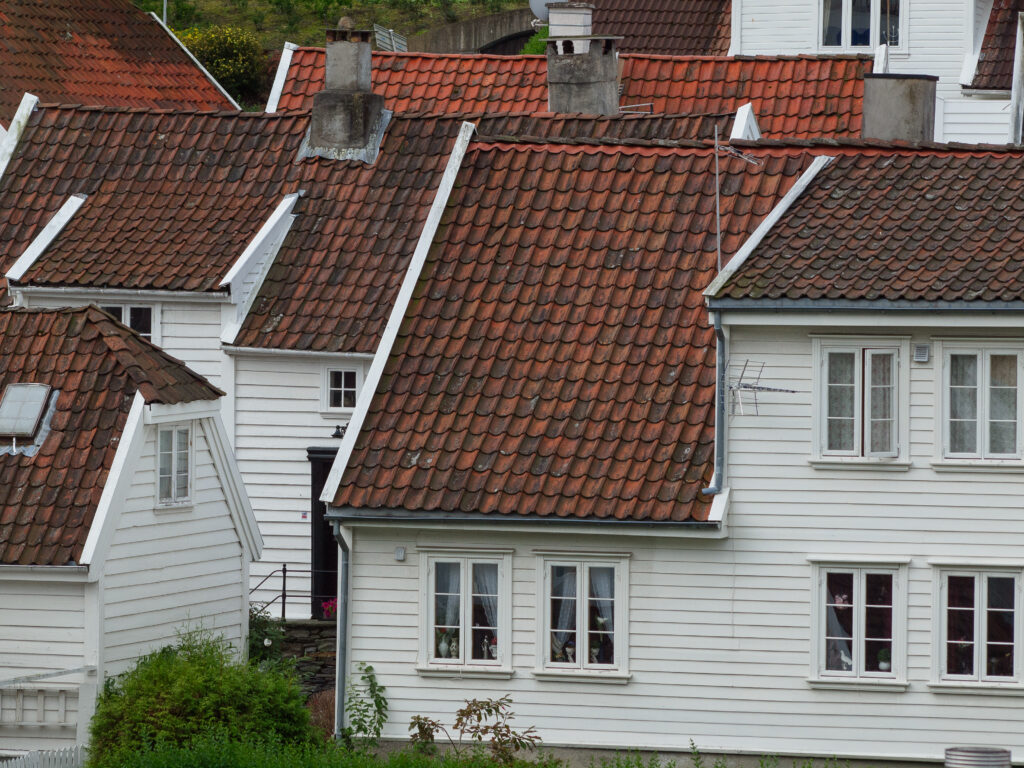
The asphalt roof shingles are economical, consistent and one of the widely used roofing same materials today. Asphalt shingles come in a variety of types with some made to meet the weather of a region or to fit a specific roof shape.
1. 3-Tab Roofing Shingles
3-tab shingles are the most basic asphalt option, featuring three uniform tabs for a clean, symmetrical look. Their lifespan is about 15-20 years with prices of about $90-110 per square (100 sq. ft.), which makes them the most economical option.
They have low weight but easy to be affected by wind and other weather conditions when compared to the thicker shingles.
2. Architectural Roofing Shingles
Architectural shingles, or dimensional shingles, have multiple layers for a textured, premium appearance. They tend to be 20-30 years and have prices ranging between $120 $150 per square.
The construction is of greater thickness, which enhances their resistance to wind and weather, and their performance in terms of visual attraction is excellent.
3. Impact-Resistant Roofing Shingles
Impact-resistant shingles are reinforced to withstand hail and debris, often using SBS polymer or backing fabric. Life expectancy is 25-30 years, and it costs approximately $140 to $170 per square foot.
The highest tier of these shingles carries a Class 4 rating under UL 2218, the industry test that measures how well a shingle holds up against repeated impacts from a 2-inch steel ball dropped from 20 feet. Shingles that pass without cracking or splitting earn the Class 4 label, and in hail-prone states, that rating can qualify homeowners for a meaningful discount on their insurance premium, according to the Texas Department of Insurance. It’s worth asking your insurer directly, since not every company offers the discount and the size of the savings varies by location.
4. COOL Roofing Shingles
COOL shingles have solar-reflective granules to cut down the roof heat, as well as enhance energy efficiency. They are 20-30 years old, and they cost between $130 and $160 per square.
They are also more economical in terms of cooling, other than durability, thus suited better to the warmer climates in need of long-term energy savings.
5. Algae-Resistant Shingles
Algae-resistant shingles are built with small amounts of copper or zinc mixed into the granules. When rain hits the roof, those metals release ions that make it hard for algae to take hold, which keeps the dark streaking you sometimes see on older roofs from forming in the first place. They cost a bit more upfront than standard shingles, but for homes in humid or shaded areas, that extra cost usually pays for itself by avoiding a roof that looks prematurely dirty within just a few years, according to CertainTeed.
6. Class A Fire-Resistant Shingles
Class A is the highest fire rating a roofing material can earn, meaning the shingle has been tested to resist flame spread and withstand direct fire exposure longer than Class B or C products. Most standard asphalt shingles already carry a Class A rating on their own, but it’s worth confirming with your contractor, since the rating can depend on what’s underneath the shingles as well, not just the shingle itself, according to The Shingle Master. If you live somewhere with real wildfire risk, this is one spec worth double-checking rather than assuming.
7. Hip-and-Ridge and Starter Strip Shingles
These aren’t a separate style so much as specialty pieces that work alongside whichever main shingle you choose. Starter strip shingles run along the eaves and rakes to give the first row of shingles something solid to grip and seal against, while hip-and-ridge shingles cover the roof’s angled seams, areas that take more wear than the flat field of the roof. Skipping either one, or using cut-up pieces of field shingles instead, is a common shortcut that tends to show up later as leaks or lifted edges at the roof’s most exposed points.
At a Glance: Comparing Asphalt Shingle Types
| Shingle Type | Cost per Square | Typical Lifespan | Best For |
|---|---|---|---|
| 3-Tab | $90-$110 | 15-20 years | Budget-conscious homeowners |
| Architectural | $120-$150 | 20-30 years | Most homeowners wanting a balance of cost and durability |
| Impact-Resistant | $140-$170 | 25-30 years | Hail-prone regions, possible insurance savings |
| COOL | $130-$160 | 20-30 years | Hot climates, energy savings |
| Algae-Resistant | Base shingle cost + small premium | Matches base shingle | Humid or shaded roofs prone to streaking |
| Class A Fire-Resistant | Included in most standard shingles | Matches base shingle | Wildfire-risk areas |
| Hip-and-Ridge & Starter Strip | Sold separately, priced by the bundle rather than the square | Matches field shingle | Roof edges, ridges, and hips, regardless of which field shingle you choose |
Not sure which of these fits your roof? Get a free quote and we’ll walk you through what makes sense for your budget and climate.
Asphalt vs Architectural Shingles
In a comparison of asphalt vs architectural shingles, major differences are in terms of thickness, durability, appearance and cost. The traditional asphalt shingles are thinner and cheaper but they last shorter.
The architectural shingles, in turn, are multi-layered in their construction, which contributes to the increased strength and protection against the weather.
Architectural shingles also work better in high-wind regions and appear to be more attractive with their dimensional appearance.
Although the initial cost is more expensive, architectural shingles in most cases are more cost-effective over the long run, as the number of repairs and replacements is lowered.
Architectural shingles are favored by homeowners who intend to remain in their homes long term and by those who wish to add value to their homes.
Advantages and Disadvantages of Asphalt Shingles
Advantages:
- Affordable compared to metal, slate, or tile roofing
- Wide range of styles and colors
- Easier and faster installation
- Compatible with most residential roof designs
- Readily available materials and contractors
Disadvantages:
- Shorter lifespan than premium roofing materials
- Susceptible to heat and UV degradation
- Can be damaged by severe storms or hail
- Environmental impact if not recycled
Despite these limitations, asphalt shingles remain a practical roofing solution for many homeowners when properly selected and maintained.
One more cost-saving option worth asking about: if your roof only has a single layer of old shingles in decent shape and the deck underneath is solid, some homeowners install new shingles directly over the old layer instead of paying for a full tear-off, which cuts out the labor, dumpster, and disposal costs that come with removing the old roof first.
It’s not without trade-offs, though: skipping the tear-off also means skipping the chance to inspect the deck underneath, and it can shorten the new shingles’ lifespan or limit your manufacturer’s warranty, according to Premier Roofing. It isn’t allowed everywhere, and a professional inspection is the best way to know whether your roof is a good candidate.
Curious whether your roof is a good candidate for an overlay or needs a full replacement? Talk to our team before you commit either way.
How Many Shingles Will You Need?
Roofing materials are typically priced and sold by the square, which is just a builder’s term for 100 square feet of roof surface. To figure out how many squares your roof needs, start by measuring the length and width of each roof section and multiplying them together, then add up the totals for the whole roof.
From there, add a waste allowance to cover cuts, overlap at the ridge, and the occasional broken shingle during installation. A simple gable roof usually needs about 10% extra, while a roof with more hips, valleys, or dormers can need 15% or more, according to Roofr.
As an example: a 1,500-square-foot roof with a 10% waste allowance comes out to 1,650 square feet, which rounds up to 17 squares. Multiply that by the cost per square for whichever shingle type you’re considering, and you’ll have a reasonable material estimate to compare against contractor quotes, keeping in mind that labor is priced separately.
What Does “Lifetime Warranty” Actually Mean?
Almost every shingle manufacturer advertises a “lifetime” warranty, but it’s worth knowing what that actually covers. Most provide full, non-prorated coverage on the materials for roughly the first 10 years, after which the payout shrinks on a prorated scale as the shingles age, according to Roof Crafters. By year 15 or 20, that payout can be a small fraction of a full re-roof’s cost. Workmanship warranties, which cover installation rather than materials, are separate and much shorter, usually just 2 to 5 years.
“Lifetime” really just means the warranty applies for as long as the original owner keeps the home, not that you’re covered in full the whole time. Ask your contractor for the exact number of years of non-prorated coverage before comparing brands.
Recycling of Asphalt Shingles
Recycling asphalt shingles has become increasingly important as roofing waste continues to grow. According to the U.S. Environmental Protection Agency (EPA), asphalt shingles account for approximately 11 million tons of waste each year in the United States, making them one of the largest contributors to construction debris.
Fortunately, many asphalt shingles can be recycled and reused in road paving and asphalt mixes. The EPA reports that nearly 90% of reclaimed asphalt pavement materials are reused, significantly reducing landfill waste and conserving natural resources.
Recycling shingles not only supports sustainability but can also lower disposal costs during roof replacement
Market Use of Asphalt Shingles
The dominance of asphalt shingles is supported by housing data from the National Association of Home Builders, which reports that asphalt shingles are installed on over 75% of newly built single-family homes due to their cost efficiency and ease of installation.
This widespread use reinforces why understanding the different types of asphalt shingles is essential for making informed roofing decisions.
Frequently Asked Questions
What are the three main types of asphalt shingles?
The three most common types are 3-tab, architectural (also called dimensional or laminate), and premium or designer shingles. Impact-resistant, COOL, algae-resistant, and Class A fire-resistant shingles are more specialized options built on top of these base styles.
Is a Class 3 or Class 4 shingle better?
Class 4 is the higher rating of the two and offers stronger resistance to hail and impact damage. Class 3 shingles still perform well for most homes, but Class 4 is generally the better choice if you’re in a hail-prone area or want to qualify for a possible insurance discount.
What shingles do most roofers use?
Architectural shingles are the most common choice installed today, since they balance cost, durability, and appearance better than basic 3-tab shingles without the added expense of premium or specialty options.
What roof shingles should I stay away from?
It’s less about avoiding a specific type and more about avoiding low-grade or off-brand shingles with thin granule coatings and short, unclear warranties. A reputable brand’s 3-tab shingle will usually outperform a bargain “architectural” shingle from a manufacturer with no track record.
The Final Note
Choosing the right types of asphalt shingles depends not only on color or price level, but also on factors like durability, climate performance, maintenance expectations, and long-term cost. Economical three-tab shingles, long-lasting architectural products and luxurious high-end designs have their purpose.
Awareness of the differences between asphalt vs architectural shingles enables homeowners to aim for a roofing option that aligns with their objectives and budget.
Roof Guys can help you plan a roof replacement or provide professional advice on which asphalt shingles are most appropriate for your home. Get a free quote to save your confusion!