Are you a homeowner who struggles to know how to inspect your roof without missing minor problems? You are in the right place. Ignoring broken shingles, clogged gutters, or even early indicators of leaks may cost a lot to fix and reduce the lifespan of the roof.
An organized roof maintenance checklist aids homeowners in remaining proactive, detecting problems at an early stage of their existence, and offers durability to the roofing system.
Roof maintenance just means checking your roof on a regular basis and catching small problems, like loose shingles or a clogged gutter, before they turn into a bigger repair.
This guide will provide you with all the significant information that you require to know in order to maintain your roof.
Roof Maintenance Checklist
A comprehensive roof maintenance checklist should include the following key tasks:
- Inspect shingles and roofing material: Look for cracks, curling, missing shingles, or granule loss. Damaged shingles are a primary cause of leaks.
- Check flashing and vents: Ensure that flashing around chimneys, skylights, and vents is secure and not cracked.
- Clean gutters and downspouts: Blocked gutters trap water, leading to roof and fascia damage.
- Examine the attic: Look for water stains, mold, or daylight coming through the roof boards.
- Trim overhanging branches: Limbs touching the roof can cause damage and allow pests to enter.
- Check for moss, algae, or debris: Accumulated debris can trap moisture and deteriorate roofing material faster.
This checklist should be performed twice a year to avoid minor problems developing into expensive repairs. The U.S Department of Energy estimates that roof inspection can cut down repairs associated with roofs by 30%.
Seasonal Roof Maintenance
Roof maintenance should be adjusted according to the season:
Spring:
- Clear away any leftover winter debris, like branches and leaves
- Check for ice damage along the edges and in the valleys
- Clean out gutters and downspouts so spring rain drains the way it should
- Take a quick look in the attic for moisture that built up over winter
Summer:
- Watch for shingles warping or curling from heat
- Trim back nearby trees to cut down on shade, which is what lets moss and algae take hold
- Check gutters for granules washing off the shingles, a sign they’re wearing down faster than they should
Fall:
- Clear leaves and branches from gutters before winter weather shows up
- Inspect for shingles that have come loose heading into colder months
- Check the flashing around chimneys and vents before ice and snow arrive
Winter:
- Stay off the roof if there’s ice, and leave winter inspections to a professional
- Watch the eaves for ice dams forming
- Check the attic for warm spots or dampness, which usually points to a ventilation or insulation issue
Regular season maintenance makes your roof last longer, minimizes water damage, and keeps your roof in perfect condition.
Research conducted by the Insurance Institute for Business & Home Safety (IBHS) indicates that roofs inspected seasonally sustain 25% less damage from weather conditions than those that are not inspected at all.
In Louisville and Cincinnati, this seasonal rhythm is pretty predictable. Spring brings the season’s first heavy storms, summer humidity speeds up moss and algae growth, fall means a steady drop of leaves clogging up gutters, and winter freeze-thaw cycles put real stress on flashing and seams. Building your maintenance schedule around what actually happens here, rather than a generic calendar, is what catches problems while they’re still small.
How Much Does a Roof Cleaning Cost?
Roof cleaning costs vary depending on size, material, and extent of debris or moss buildup. On average:
- Asphalt shingle roofs: $150–$500 for standard cleaning
- Tile or slate roofs: $300–$700 due to delicate handling requirements
- Metal roofs: $200–$600
There is a higher cost associated with multi-story houses or steep slopes, which demand specialized equipment.
Although cleaning the roof manually may appear cheaper, professional cleaning would be safer and would not cause accidental damage. An adequately maintained roof also has a longer lifespan, so the investment is worth it.
It’s worth pointing out that a cleaning and a general maintenance visit aren’t the same thing. Cleaning is mainly about clearing moss, algae, and debris off the surface. A maintenance or inspection visit usually costs less than a full cleaning and focuses on checking shingles, flashing, and vents rather than washing the roof down. Many roofing companies, GoRoofGuys included, will fold a light cleaning into a maintenance visit if nothing serious turns up.
What Is the Best Time to Get Your Roof Cleaned?
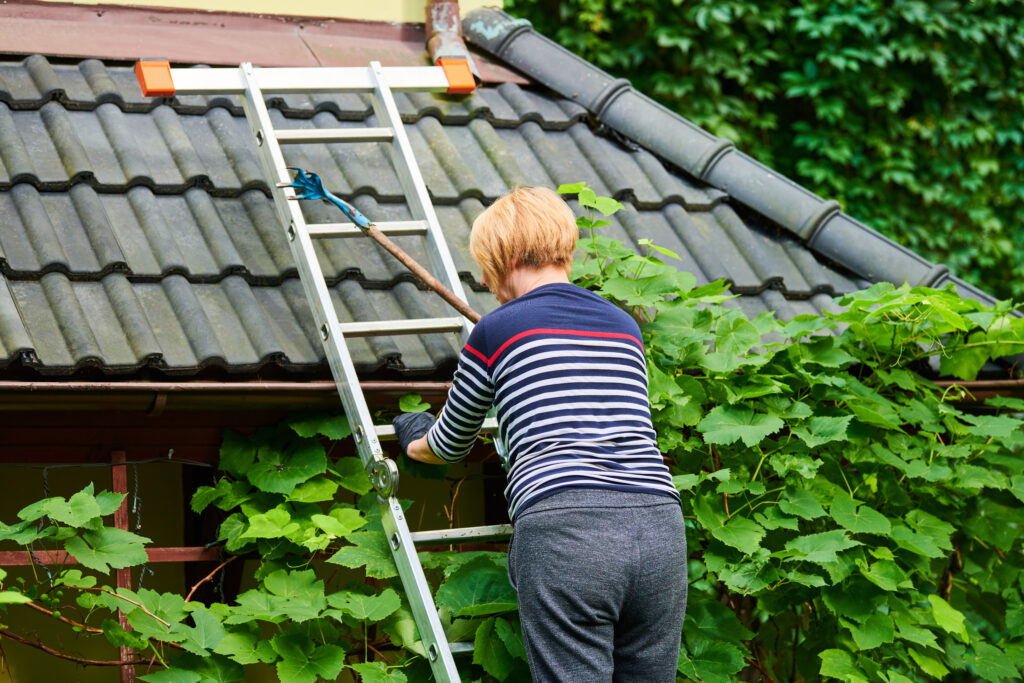
Roof cleaning should be done in a dry, mild climate, preferably in spring or early fall.
The cleaning during the rainy season presupposes the rise of the probability of slips and water damage, and the extreme heat can also weaken the asphalt shingles and expose them to the loss of granules.
Working in ideal weather will guarantee a sound clearing of the debris, a good working environment, and the least damage will be done to roofing materials.
Tips to Prolong Your Roof’s Lifespan
- Regular Inspections: Check your roof at least twice a year, and after major storms, to identify and repair minor issues before they escalate.
- Clean Gutters and Downspouts: Check gutters to ensure that they are clear of debris that can contaminate water draining so as to avoid water damage and rot.
- Trim Overhanging Trees: Remove branches that could scrape, drop debris, or create shade that promotes moss and algae growth.
- Repair Minor Damage Promptly: Replace damaged shingles, fix leaks, and secure flashing immediately to prevent bigger problems.
- Ensure Proper Attic Ventilation: Good ventilation reduces heat and moisture buildup, preventing shingle warping and premature aging.
- Remove Moss and Algae Safely: Keep the roof free of moss or algae with professional cleaning or safe, manufacturer-approved treatments.
How Frequently Should We Check Our Roofs?
Homeowners should conduct roof inspections for roof maintenance at least twice a year, preferably in spring and fall, and after major storms or heavy weather events.
The recommendation is to have additional checks if you have a roof that is above 15 years old, or when you notice leaks or weaker signs like curled shingles or loss of granules.
Attic inspections should complement exterior checks to identify early signs of water penetration or structural damage. Periodic checking is a way of ensuring that minor problems that develop do not go beyond control, and this will prolong the lifespan of your roof and home value.
Signs Your Roof Needs Immediate Attention
Regular maintenance still does not eliminate some problems that need urgent response.
Examine missing or broken shingles, stains in the house, moss or algae , sags and deteriorated flashing. Neglect of these indicators may result in leaks, structural damage, and increased repair costs.
Early identification of problems enables homeowners to have timely repairs, which often save hundreds of thousands of dollars in the long run.
What Is the 25% Roof Replacement Rule?
Once you’ve spotted damage using the checklist above, the next question is usually how much is too much to just patch. That’s where the 25% rule comes in.
Many local building codes and insurance policies follow some version of this guideline: if more than 25% of a roof’s surface needs new shingles or material within a set period (often 12 months), the whole roof typically needs to be replaced instead of patched section by section. The exact percentage and timeframe can vary depending on where you live and who your insurer is, so it’s worth checking the specifics for your area rather than assuming one number applies everywhere.
The reasoning behind it comes down to consistency and safety. Mixing old and new shingles across a large section of roof can lead to uneven wear, water sneaking through where the old and new material meet, and shingle colors that don’t quite match. Some shingle manufacturers won’t honor their warranty either if a roof was only partially replaced past that point.
If an inspection turns up damage across a large part of your roof, it’s worth asking your roofing contractor whether you’re approaching that 25% mark before deciding between a repair and a full replacement.
Commercial Roof Maintenance Checklist
Commercial roofs come with their own set of maintenance needs, separate from what a homeowner typically deals with. If you manage a commercial property, keep an eye on:
- Roof access and safety: commercial roofs often need proper walkways, guardrails, or tie-off points in place before anyone gets up there to inspect.
- HVAC and equipment penetrations: rooftop units, vents, and pipes all create extra seams where leaks tend to start, so these need their own check separate from the main roofing surface.
- Flat or low-slope membrane condition: a lot of commercial buildings use flat or low-slope roofing, like TPO or EPDM, which needs to be checked for ponding water, punctures, and seams starting to lift, rather than the shingle wear a residential checklist looks for.
- A documented maintenance schedule: commercial properties often do better with a formal maintenance plan or contract, both for budgeting purposes and for keeping records that insurers or building inspectors may ask to see.
If your business relies on a flat or commercial roof, GoRoofGuys’ commercial roofing team can put together a maintenance plan built around your actual building instead of a one-size-fits-all checklist.
Maintenance Tips by Roof Material
The checklist at the top of this guide works well for a standard asphalt shingle roof, which is what most homes have, but maintenance looks a little different depending on what your roof is actually made of:
- Asphalt shingles: watch for curling, cracking, and granule loss, and keep the gutters clear so water isn’t sitting and backing up under the shingles.
- Metal roofing: check fasteners and seams for loosening over time, and look for scratches or rust spots where the protective coating may have worn through.
- Flat or low-slope roofs: check for ponding water after storms, and inspect the membrane for punctures or seams that have started to lift.
- Tile or slate roofs: look for cracked or slipped tiles rather than granule loss, and avoid walking on them directly, since they can crack under weight.
Knowing what your roof is made of helps you catch the right warning signs early, instead of checking for problems that don’t apply to your particular roof.
Take a Step Towards Better Roofing
It is essential to maintain your roof properly to ensure your home stays well maintained, avoid unnecessary roof repair costs, and keep your roof lasting longer.
Minor problems can be prevented from becoming high costs with a well-organized roof maintenance checklist, scheduled inspections, timely cleaning, and an understanding of the effects of weather.
Homeowners can make their roofs last and perform effectively by following the tips above and scheduling professional inspections when needed.
For professional assistance and expert guidance, [schedule a roof inspection] with our team, and we’ll give you a clear, honest read on your roof’s condition and what, if anything, it needs.