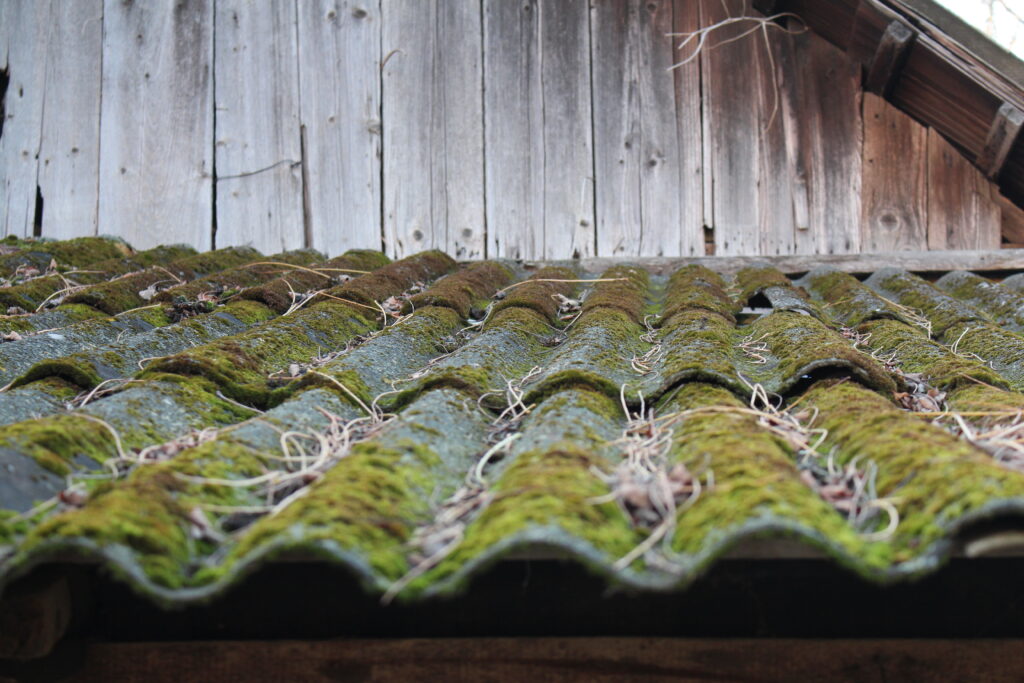
Algae on the roof feels like a silent intrusion. A smooth green coating that leaves your house slightly less appealing; more importantly, this kind of algae begins to take away the foundation of your home. Each drop of rain or drizzle is an indication that your roof is no longer the solid, dry surface it used to be. Homeowners who observe the initial signs (small green spots that grow rapidly, covering the eaves and shingles) are those who face these problems to a greater extent.
We will discuss why algae grows on roofs, what dangers they pose, and how you can treat them for your peace of mind. Let’s get rid of the unwanted green growth!
What is Roof Algae?
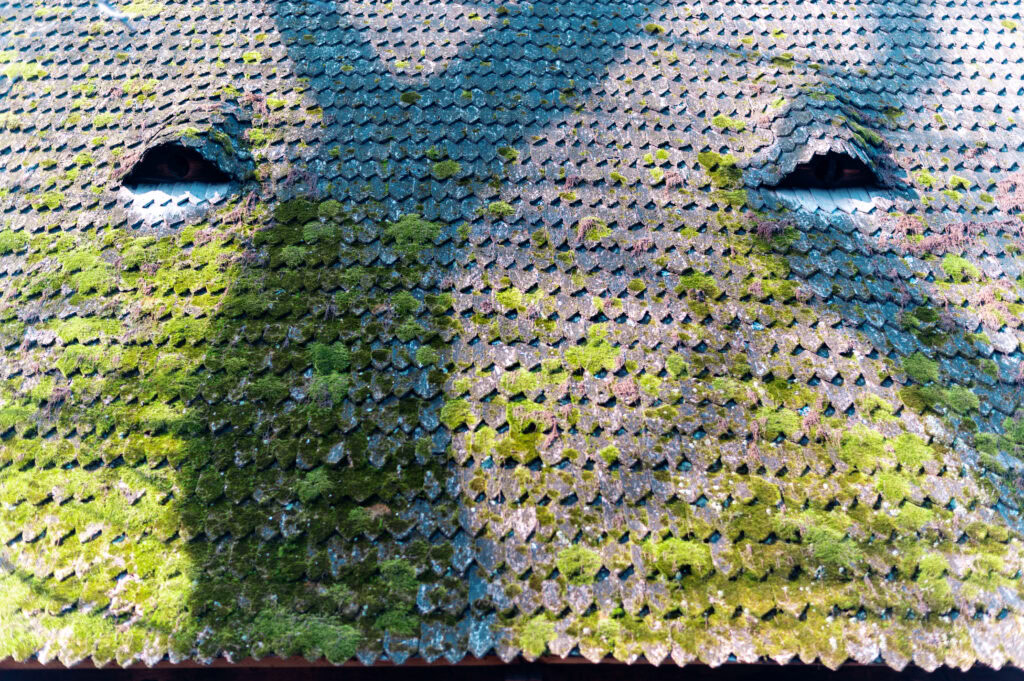
Gloeocapsa magma, also called roof algae, is a blue-green algae that grows in warm, humid areas. Gradually, this microscopic organism develops into dark streaks or greenish patches on shingles, especially on north faces of roofs where there is less sunlight exposure.
Not only are these streaks ugly, but they indicate that the algae are nourishing themselves on the limestone filler of many asphalt shingles. It means the longer you neglect it, the more it will harm the structure and the appearance of your roof.
How to Identify Roof Algae?
Several environmental factors can make your roof a perfect host for algae growth. Common causes include:
- Moisture and humidity: Algae thrive in damp, warm environments, especially after rain or dew.
- Lack of sunlight: North-facing or shaded roofs retain moisture longer, creating ideal conditions.
- Airborne spores: Algae spread through microscopic spores carried by wind or animals, meaning even new roofs can become infected.
- Organic debris: Leaves, twigs, or dirt trap moisture, encouraging growth.
- Type of shingles: Asphalt shingles with limestone filler provide nutrients for algae to feed on.
Climate plays a big role in algae growth. Any combination of warmth, moisture, and shade can start this problem, and it is not treated by a professional roofer, it can spread and compromise the structure.
How Roof Algae Damages Your Shingles?
1. Eats Away at Shingle Materials
Algae feed on the limestone filler in asphalt shingles, slowly breaking down their protective layer. Nearly 31% of homeowners nationwide have pursued roof renovation, repair to address algae-related roofing issues.
2. Traps Moisture
It holds moisture against the roof surface, increasing the risk of rot, leaks, and mildew growth underneath.
3. Causes Granule Loss
As algae weaken the shingle’s surface, granules loosen and wash away, reducing UV protection and shortening lifespan.
4. Increases Heat Absorption
Dark streaks absorb more sunlight, heating your roof and attic, which drives up energy costs in summer.
5. Dulls Your Home’s Appearance
Those black or green streaks make your roof look old, neglected, and less appealing to potential buyers.
How to Prevent Roof Algae Growth
Preventing roof algae is much easier and cheaper than cleaning it repeatedly. It is far easier and cheaper to prevent roof algae than to clean it over and over again.
-> The best long-term solution is the placement of zinc or copper strips on the roof ridges. These metals release ions when it rains, and this kills algae on roof naturally and prevents its reoccurrence.
-> Another way to prevent algae growth is to keep your roof dry and out of the sun. Keep the branches trimmed to allow more sunlight and air into the house, and have your gutters trimmed regularly to prevent water from accumulating on the other side of your shingles.
-> Another clever investment to make is by replacing or making an upgrade to your roof with algae-resistant shingles that also contain copper granules.
->Finally, make sure there is enough ventilation in the attic to maintain the humidity, and have the roof inspected once a year in order to spot any symptoms of algae in good time.
These are easy maintenance routines that will preserve your roof and make it cleaner, stronger, and more durable.
Algae vs. Mold: What’s the Difference?
Homeowners often confuse algae and mold, as they both appear as dark streaks or stains on the roof. However, in fact, they are very different in nature and effects.
The algae are plant-like organisms that grow on the surface of the roof and feed off the limestone of the shingles. They appear green or blue-green or even black streaks and do not have any odor.
As time passes, algae grows on the shingles, making your roof less efficient in terms of energy conservation due to its ability to trap heat.
Mold is a fungus that is likely to grow in damp and stuffy areas, usually under shingles or in attics. It is generally dark and thick and has a musty odor.
Mold can be a deadly health hazard, as well as cause structural damage, unlike algae. If you’re unsure whether your roof issue is algae or mold, calling a professional roofing contractor for an accurate inspection and safe removal is the safest option.
When to Contact a Professional Louisville Roofing Contractor
If your roof shows large, stubborn algae patches or if cleaning attempts haven’t worked, it’s time to contact a professional Louisville roofing contractor. Experts can:
- Identify whether it’s algae, moss, or mold
- Safely clean your roof using manufacturer-approved methods
- Recommend preventive solutions like algae-resistant shingles
- Inspect for hidden moisture damage or leaks
Trust Roof Guys to Deal with Algae!
Algae on roof may initially be a small inconvenience, but it could easily develop into an expensive roofing problem when neglected. By using proper cleaning techniques and maintenance, you can safeguard your investment, increase the life of the roof, and make sure your home looks good all year long.
If you notice dark streaks, color discoloration, or even mold, you must not delay, as untreated mold can lead to severe structural damage and pose health hazards. Contact Roof Guys to clean up the mess and restore your roof to its beautiful state again. Let’s preserve your roof’s energy!