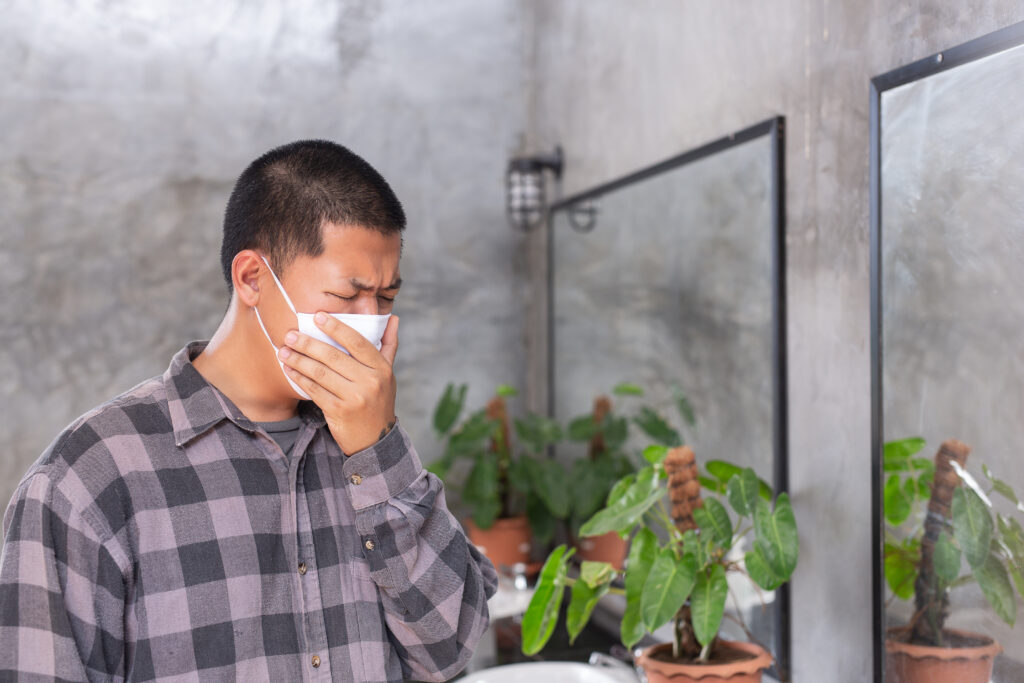
You clean your home every day and vacuum your carpets every day. Everything looks great and fresh, and as you are about to start your day, the air still feels heavy.
Maybe you notice musty smells that won’t go away, moisture on windows, or rooms that constantly feel too warm. These issues can be extremely frustrating because they don’t always have an obvious cause.
Many homes have a hidden problem, which is poor ventilation in the house. And most homeowners don’t realize how serious poor airflow can become until it affects their health, their attic, or even their roof structure.
Understanding the warning signs early is the best way to protect your home and your family.
What Is Ventilation and How Does It Work?
Ventilation is the process of moving stale, humid, or contaminated air out of your home while bringing fresh air in. It prevents moisture buildup and keeps temperatures stable.
Studies estimate that 10–50% of homes globally report dampness or visible mold problems.
Homes typically ventilate through a combination of natural air flow as open windows. Many use exhaust fans and install HVAC systems and proper attic vents.
Proper airflow allows fresh air to circulate continuously and keep your indoor air healthy, to prevent structural damage.
When ventilation is poor, moisture and pollutants become trapped inside the home and the attic. This leads to noticeable symptoms that homeowners often mistake for unrelated issues.
Signs of Poor Ventilation in a House
Homes with poor ventilation often show warning signs long before serious problems begin. The most common signs include:
1. Persistent Musty or Stale Odors
If certain rooms always smell damp, moldy, or stale, especially basements, bathrooms, or laundry areas, it often means air isn’t circulating properly.
2. Condensation on Windows
Moisture collects on windows when humid indoor air can’t escape. This is one of the first signs of poor ventilation in house settings.
3. Hot or Cold Spots in Rooms
Rooms that feel too hot in summer or too cold in winter often suffer from restricted airflow.
4. Excess Dust Buildup
Poor circulation allows dust, allergens, and particles to settle quickly than usual.
5. Mold Growth on Walls or Ceilings
Mold thrives in trapped humidity. Bathrooms, kitchens, and attics are common hotspots.
6. Signs of Poor Attic Ventilation
Attics often show symptoms first. Some warning signs include:
- Excessive heat in the attic
- Damp or soggy insulation
- Mold on rafters or roof decking
- Curling or premature aging of shingles
Poor attic ventilation can eventually damage your roof. This increases energy costs and shortens the lifespan of your shingles.
How Poor Ventilation Can Affect Health?
Most people associate ventilation with comfort, but poor airflow can seriously impact your health. Pollutants like dust, bacteria, cleaning chemicals, and allergens stay trapped inside the home when there is no circulation. This can cause many problems, such as:
- headaches
- Fatigue,
- coughing
- irritation of the eyes or throat.
Mold growth becomes more common in houses with zero ventilation. Mold spores can trigger asthma attacks, allergic reactions, and long-term respiratory issues.
Children in homes with low ventilation rates + moldy odors are more likely to have allergic symptoms: one study found a significant association.
Poor ventilation also increases carbon dioxide levels indoors, which may make you feel tired or unfocused.
Children, older adults, and people with asthma or allergies are especially sensitive to these conditions.
Improving ventilation often leads to better sleep with fewer respiratory symptoms and a healthier indoor environment overall.

Reasons for Poor Ventilation
Poor ventilation can happen for several reasons, many of which homeowners don’t notice until problems escalate.
- One common cause is sealed or tightly insulated homes. Modern buildings are highly energy-efficient, but this can trap indoor air if the home isn’t equipped with a proper ventilation system.
- Blocked vents can also stop airflow. Over time, dust, debris, and even small rodents can obstruct ventilation openings.
- In older homes, outdated HVAC systems may not circulate enough air. Bathroom or kitchen fans that no longer work correctly contribute to trapped humidity.
- Improper vent placement or insufficient intake and exhaust vents can lead to heat buildup and moisture problems in many attics.
- The weather also plays a role. Homes in humid climates experience moisture problems faster, while cold climates are prone to condensation and mold in attics.
How to Fix Poor Ventilation
The National Center for Healthy Housing (NCHH) recommends keeping relative indoor humidity between 30–60%; above that range, poor ventilation strongly contributes to mold-friendly conditions.
The good news is that poor ventilation is usually fixable. The right solution depends on where the airflow problem is coming from and how severe it is.
- Improving airflow may involve increasing natural ventilation by opening windows more frequently or installing additional vents throughout the home.
- Using exhaust fans in bathrooms and kitchens helps remove humidity and contaminants.
- Upgrading or servicing HVAC systems ensures proper air circulation.
- Attic ventilation often requires a more specialized approach. Adding ridge vents, soffit vents, or attic fans can dramatically improve airflow.
Proper attic ventilation prevents heat buildup, reduces moisture, and protects your roofing materials from early wear. For homes with serious ventilation issues, a professional assessment can identify blocked pathways, damaged vents, or moisture problems hidden behind walls or in the attic.

The Final Note
Poor ventilation in house environments can lead to musty smells, moisture problems, mold growth, and even serious health concerns.
Ignoring signs of poor attic ventilation can become costly later on. Because trapped humidity in hot attics or curling shingles can eventually damage your roof.
The safest way to fix the problem is to work with professionals who understand airflow, roofing structures, and attic ventilation systems.
If you want expert help diagnosing ventilation issues or improving attic airflow. Roof Guys can help. Our team handles everything from roof inspections to attic vent upgrades. Let’s make sure your home stays healthy and protected in all seasons. Ready to improve your home’s airflow? Contact Roof Guys today.