
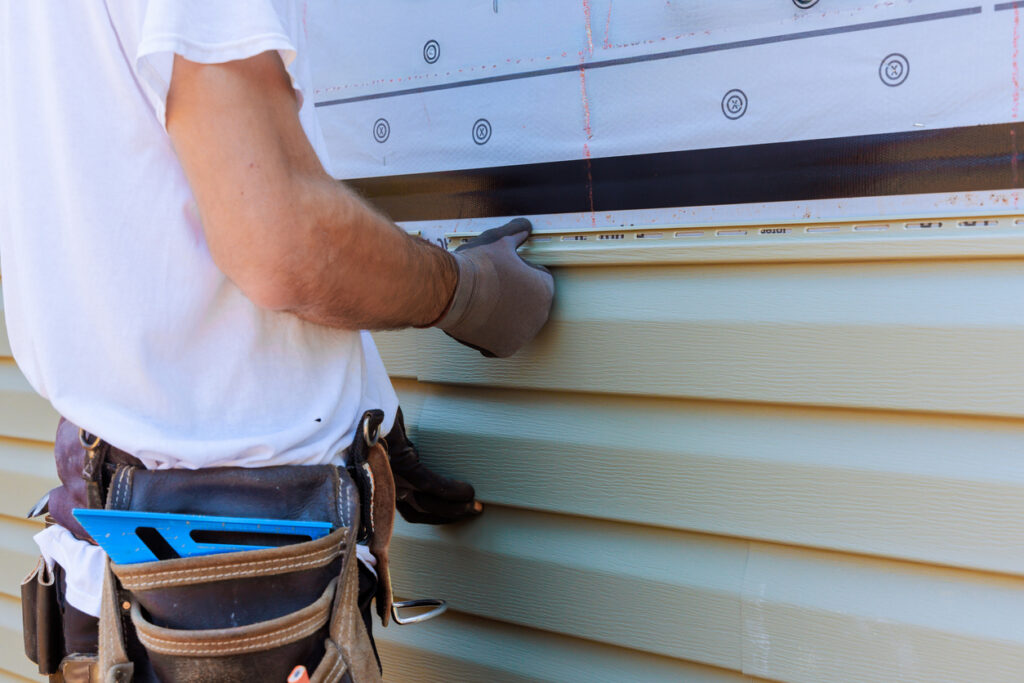
Siding replacement typically costs between 6,000 and 25,000 dollars for an average size home, depending mostly on the material you choose. Whether you are installing new siding for the first time or replacing old, worn-out siding, the price mostly comes down to the same handful of factors.
This guide breaks down the real cost per square foot by material, what pushes your price up or down, and how long new siding actually lasts, so you know what to expect before you call a contractor. If you are in Louisville or Cincinnati, our Gutters & Siding team can walk you through your options and give you an exact number for your home.
Siding Replacement Cost by Material
Material is the single biggest factor in your final price. Here is what each option typically costs installed, according to Angi’s siding cost research.
| Material | Installed cost per square foot | Expected lifespan |
|---|---|---|
| Vinyl | 4 to 12 dollars | 20 to 40 years |
| Fiber cement | 5 to 15 dollars | 50 years or more |
| Wood | 4 to 10 dollars | 20 to 40 years |
| Stucco | 6 to 9 dollars | 50 to 80 years |
| Metal | 7 to 16 dollars | 20 to 40 years |
Vinyl is the most popular choice for most homeowners because it balances a low upfront cost with a decent lifespan. Fiber cement costs more upfront, but it lasts much longer and holds up better against fire, rot, and impact.
Average Total Cost for a Full Siding Replacement
For a full siding replacement on an average-sized home, most projects land somewhere between 6,000 and 25,000 dollars total.
Here is a simple example to make that range concrete. A typical vinyl siding job on a mid-sized home usually runs 6,000 to 17,000 dollars. The same size home in fiber cement often runs 10,000 to 25,000 dollars or more. Home size is the biggest swing factor inside either range; a small ranch-style home will always cost less than a large two-story home in the same material.
What Affects Your Siding Replacement Cost?
A few factors drive most of the difference between a low estimate and a high one.
- Material choice: vinyl, wood, fiber cement, stucco, and metal all sit at different price points;
- Home size and number of stories: a two-story home takes longer to safely access and install, which adds labor cost;
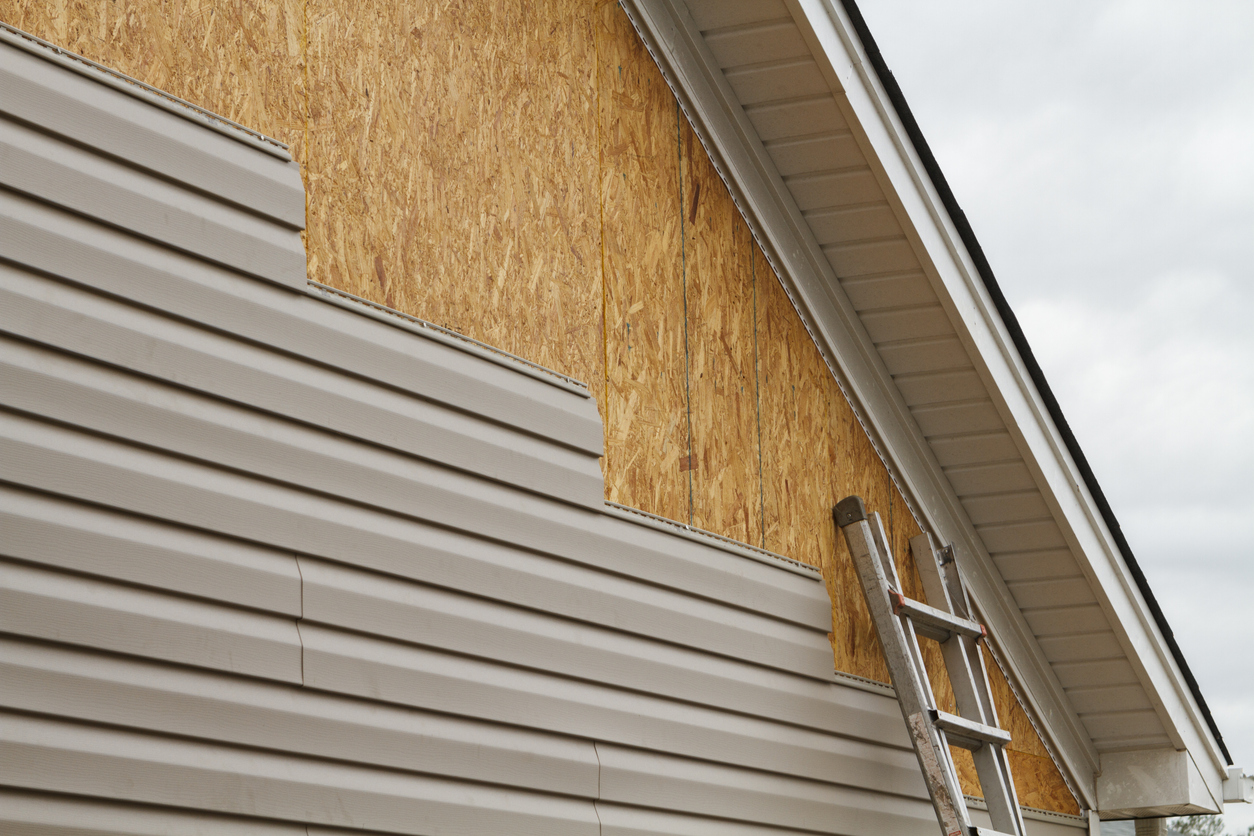
- Removal of the old siding: tearing off and hauling away the existing material adds both time and disposal fees;
- Local labor rates: the same job can cost noticeably more or less depending on where you live;
- Permits: most areas require a permit for a full siding replacement, typically 100 to 500 dollars;
How Long Does New Siding Last?
Vinyl siding typically lasts 20 to 40 years, while fiber cement typically lasts 50 years or more, according to This Old House’s siding cost guide. Both figures assume normal maintenance and a proper installation.
Vinyl vs Fiber Cement: Which Is the Better Value?
Since these two materials sit at opposite ends of the cost and lifespan spectrum, it helps to look at cost per year of ownership instead of just the sticker price.
- Vinyl: roughly 6 dollars a square foot, lasting about 25 years, works out to about 24 cents per square foot per year;
- Fiber cement: roughly 9 dollars a square foot, lasting about 50 years, works out to about 18 cents per square foot per year;
Looked at this way, fiber cement often ends up the better long term value, even though it costs more upfront. That said, vinyl still makes sense for homeowners who want the lowest possible upfront cost, or who plan to sell or move within the next decade.
Ways to Lower Your Siding Replacement Cost
You do not have to accept the first number a contractor gives you. A few simple choices can bring your total down without cutting corners on quality.
- Get quotes from at least three contractors: prices for the same material and the same home can vary quite a bit between companies;
- Schedule your project in the off season: fall and winter are typically slower for siding contractors, and some offer lower pricing to fill their schedule
- Keep your color and trim choices simple: custom colors, specialty trim, and unusual patterns all add cost on top of the base material price;
- Ask if repair makes sense first: if only one side of your home is damaged, a partial repair may cost far less than a full replacement, at least for a few more years;
- Choose vinyl if upfront cost is your top priority: it is the least expensive material per square foot while still offering a respectable 20 to 40-year lifespan
Frequently Asked Questions
How much does it cost to sell a 1,500 sq ft house?
For a 1,500-square-foot home, expect somewhere around 6,000 to 18,000 dollars in vinyl or 7,500 to 22,500 dollars in fiber cement, depending on your home’s shape, stories, and local labor rates.
How much should a siding job cost?
Most full siding jobs on an average home fall between 6,000 and 25,000 dollars, with material choice being the main driver of where you land in that range.
How much does 100 ft of vinyl siding cost?
A 100 linear foot run of vinyl siding, not counting a full home’s total square footage, typically costs a few hundred to a bit over a thousand dollars installed, depending on the height of the wall and how much trim work is involved.
Is it cheaper to replace siding or paint it?
Painting is cheaper upfront, but it does not fix damage underneath the surface, and it does not come with a new manufacturer warranty. Painting only makes sense if your existing siding is still structurally sound and just needs a new look.
Get a Free Siding Estimate
If you are in Louisville, Cincinnati, or the surrounding area and want a real number for your home, Go Roof Guys can help. Schedule your free siding estimate and get an honest, no-pressure quote before you decide on anything.