
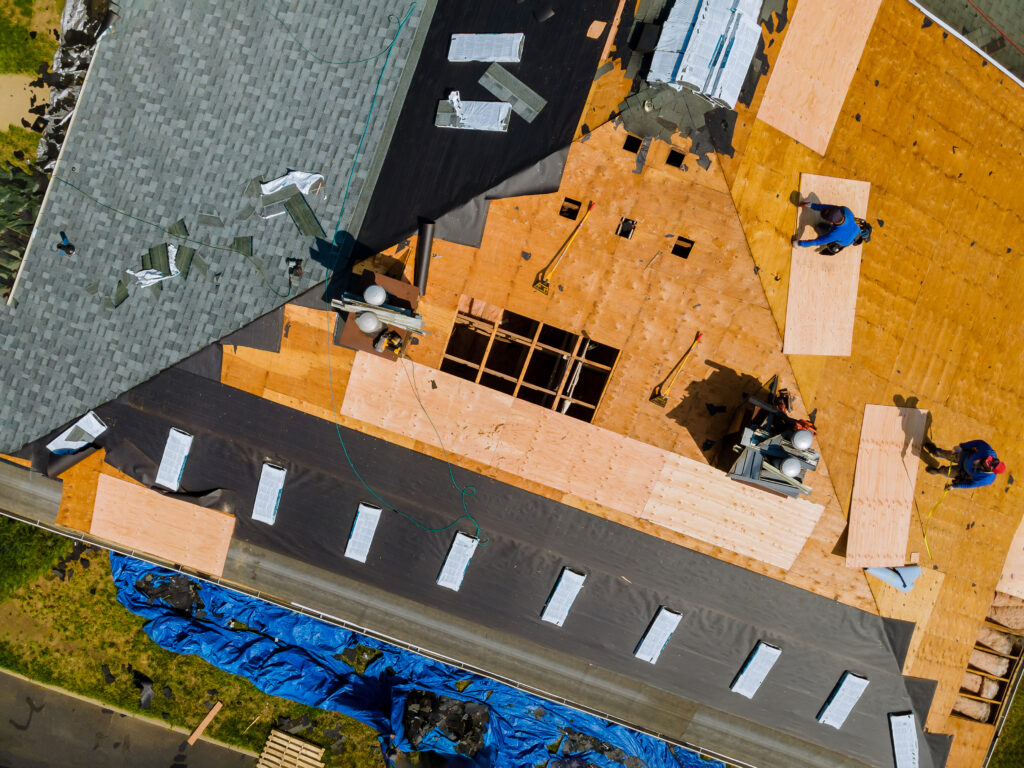
Unpredictable weather is becoming the new normal across the American landscape. From sudden hailstorms to heavy rain, these frequent events put your residential shield to the test. When severe damage happens, you might wonder if a minor fix is enough or if a complete overhaul is necessary.
Navigating the roof replacement cost can feel overwhelming during these stressful times. You must weigh the long-term benefits of a total upgrade against a quick patch. Homeowners often feel strained by the financial pressure of unexpected structural leaks or missing shingles.
A partial roof replacement might save money now, but it could lead to color mismatches or future structural weaknesses. Choosing a full installation ensures a uniform look and updated warranty protection. This guide will help you determine which path secures your peace of mind and your budget.
Why Your Roof Decisions Matter More in Today’s Unpredictable Climate
In today’s climate, where weather patterns are becoming increasingly unpredictable, the decisions you make about your roof matter more than ever. The consequences of not being prepared can be severe, from costly repairs to significant damage that compromises the integrity of your home.
How Extreme Weather Patterns Are Affecting American Homes
Extreme weather events, such as hurricanes, tornadoes, and hail storms, are becoming more frequent and intense. These events can cause significant roof damage, leading to leaks, structural issues, and even render a home uninhabitable. The impact is not limited to coastal areas; homes across America are experiencing the effects of severe weather, making roof maintenance a critical concern for homeowners nationwide.
The changing climate is also leading to more variable weather conditions, with some areas experiencing intense rainfall followed by periods of drought. This variability can cause roofing materials to degrade faster, further emphasizing the need for regular inspections and timely repairs.
The Growing Cost of Roof Damage From Severe Weather Events
The financial implications of roof damage caused by severe weather events are significant. The cost of repairs or replacement can be substantial, and these expenses are often unexpected, catching homeowners off guard. Moreover, the cost is not just financial; the stress and inconvenience of dealing with roof damage can be considerable.
Insurance claims related to roof damage are on the rise, and while insurance can help mitigate some of the costs, it does not cover everything. Homeowners often find themselves facing out-of-pocket expenses for deductibles, upgrades required by building codes, and other expenses not covered by insurance.
Why Acting Quickly on Roof Damage Protects Your Investment
Acting quickly when roof damage is identified is crucial to protecting your investment. Delaying repairs can lead to more extensive damage, resulting in higher repair costs down the line. Moreover, timely interventions can prevent minor issues from becoming major problems, ensuring that your home remains safe and secure.
Furthermore, addressing roof damage promptly can also help maintain your home’s value. A well-maintained roof is not only a selling point but also a critical factor in determining your home’s overall condition and value.
Understanding the Real Difference Between Full and Partial Roof Replacement
When it comes to roof replacement, understanding the distinction between a full and partial replacement is crucial for making an informed decision. Homeowners facing roof damage or deterioration must consider several factors to determine the best course of action for their specific situation.
What a Full Roof Replacement Involves
A full roof replacement is a comprehensive process that involves removing the existing roof entirely and installing a new one. This includes replacing all roofing materials, such as shingles, underlayment, and sometimes even the roof deck if it’s damaged. A full replacement ensures that the new roof is installed on a clean slate, reducing the likelihood of future problems stemming from the old roof.
The process begins with the removal of the old roofing materials, followed by an inspection to identify any underlying issues, such as rotten wood or structural damage. Once these issues are addressed, a new underlayment is installed, and the new roofing material is put in place. This thorough process can be more expensive upfront but provides a long-term solution.
What a Partial Roof Replacement Covers
A partial roof replacement, on the other hand, involves replacing only the damaged or deteriorated sections of the roof. This approach is often considered when the damage is localized and the rest of the roof is in good condition. Partial replacement can be a cost-effective solution in the short term, as it requires less material and labor.
However, it’s essential to ensure that the partial replacement is done correctly to maintain the roof’s integrity. This includes matching the new materials as closely as possible to the existing ones and ensuring that the new sections are properly integrated with the old roof.
How Contractors Determine the Scope of Work
Roofing contractors play a crucial role in determining whether a full or partial roof replacement is necessary. They conduct a thorough inspection of the roof to assess its condition, looking for signs of damage, wear, and tear. Factors such as the age of the roof, the extent of the damage, and the overall condition of the roofing materials are considered.
Contractors may also consider the homeowner’s budget, preferences, and long-term plans for the property. Based on this assessment, they will recommend either a full or partial replacement, providing a detailed explanation of the scope of work, costs, and benefits associated with each option.
Top 5 Factors That Should Drive Your Replacement Decision
When it comes to deciding between a full and partial roof replacement, several critical factors come into play. Homeowners must consider these elements to make an informed decision that suits their needs and budget.
The Age and Current Condition of Your Roof
The age of your roof is a significant factor in determining whether a full or partial replacement is necessary. Roofs have a limited lifespan, and as they age, their condition deteriorates. If your roof is nearing or has exceeded its expected lifespan, a full replacement might be more cost-effective in the long run.
Inspecting your roof’s current condition is crucial. Look for signs of wear and tear, such as missing or damaged shingles, curled or buckled shingles, and signs of wear around chimneys, vents, and skylights.
The Extent and Specific Location of Damage
The extent and location of the damage are critical in deciding the scope of the replacement. Localized damage might be addressed with a partial replacement, but widespread damage could necessitate a full replacement.
Assessing the damage involves checking for signs of water intrusion, structural damage, and the overall integrity of the roof. If the damage is confined to a specific area, such as a section damaged by a fallen tree branch, a partial replacement could be sufficient.
Your Roof’s Design Complexity and Material Type
The complexity of your roof’s design and the type of materials used can significantly impact the replacement decision. Roofs with complex designs or those made from specialty materials can be more expensive to replace partially due to the difficulty in matching materials and the labor-intensive process.
Material type is another crucial factor. Certain materials, like slate or tile, can be more challenging to match or replace partially due to their unique characteristics and potential discontinuation.
Local Building Codes and Insurance Requirements
Local building codes and insurance requirements can dictate the scope of your roof replacement. Some jurisdictions may require full replacements under certain conditions, such as when the damage exceeds a certain percentage of the roof’s total area.
It’s essential to consult with local authorities and your insurance provider to understand the specific requirements that apply to your situation.
How Long You Plan to Stay in Your Home
Your long-term plans for the property also play a significant role in the decision-making process. If you plan to stay in your home for an extended period, investing in a full roof replacement might be more beneficial in the long run.
On the other hand, if you’re planning to sell your home soon, a partial replacement might be a more cost-effective solution to address immediate issues and improve the home’s marketability.
The Pros and Cons of Partial Roof Replacement
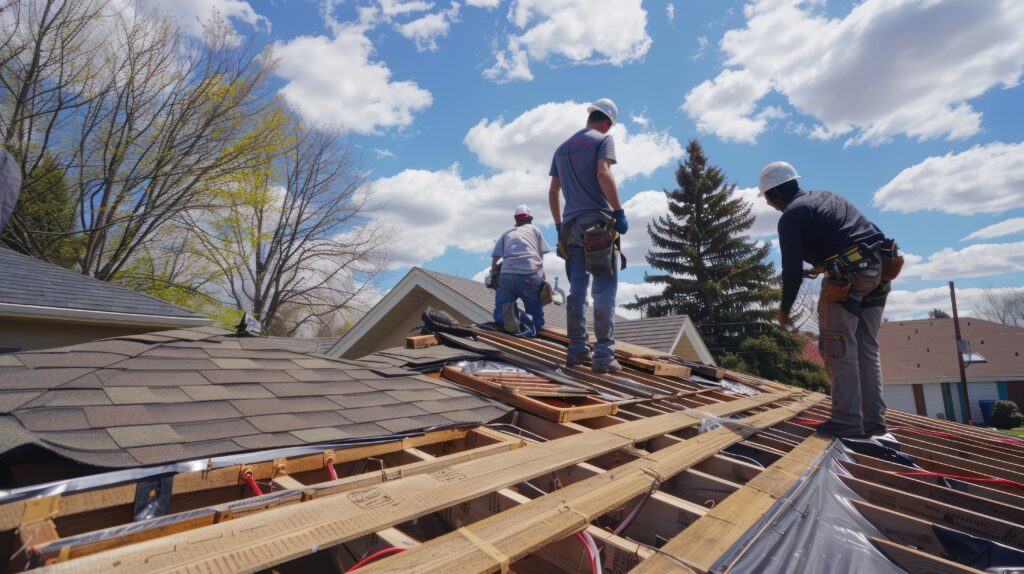
Partial roof replacement is a viable option for many homeowners, but it’s crucial to understand its advantages and disadvantages. This approach can be particularly appealing when dealing with localized damage or when budget constraints are a concern.
Key Advantages of Going Partial
Opting for a partial roof replacement can offer several benefits, making it an attractive choice under the right circumstances.
Significantly Lower Upfront Investment
One of the most significant advantages of partial roof replacement is the lower initial cost. By only replacing the damaged or deteriorated sections of the roof, homeowners can save money upfront.
Faster Project Completion Timeline
Partial roof replacements typically require less time to complete compared to full replacements. This is because there’s less material to remove and replace, allowing for a quicker turnaround.
Minimal Disruption to Your Household
With a partial replacement, the disruption to daily life is minimized. Since the work is focused on a specific area, other parts of the roof and the home remain unaffected.
Ideal Solution for Isolated Storm Damage
If your roof has suffered isolated damage from a storm, a partial replacement can be an ideal solution. It addresses the specific damage without the need for a full replacement.
| Advantages | Description | Benefit |
|---|---|---|
| Lower Upfront Cost | Replacing only damaged sections | Saves money initially |
| Faster Completion | Less material to replace | Quick turnaround |
| Minimal Disruption | Work focused on specific area | Less impact on daily life |
Important Drawbacks to Consider
While partial roof replacement has its advantages, there are also several drawbacks to consider to ensure you’re making an informed decision.
Material Matching Challenges and Color Variations
One of the challenges with partial roof replacement is matching the new materials with the existing ones. This can be particularly difficult with roofing materials like shingles, where color variations can occur.
Potential Warranty Limitations
It’s essential to review your warranty terms when opting for a partial replacement. Some warranties may not cover partial replacements or may have specific conditions that need to be met.
Risk of Undetected Underlying Problems
Partial replacements might not address underlying issues with the roof, such as structural damage or widespread deterioration. There’s a risk that problems not immediately visible could be overlooked.
Shorter Overall Lifespan Than Full Replacement
A partial roof replacement might result in a roof with a varied lifespan, where the new sections are good as new, but the older sections continue to age. This can lead to a situation where different parts of the roof need replacement at different times.
| Drawbacks | Description | Implication |
|---|---|---|
| Material Matching | Difficulty in matching new and old materials | Aesthetic inconsistencies |
| Warranty Limitations | Specific conditions or exclusions | Potential for reduced coverage |
| Undetected Issues | Overlooking underlying problems | Future costly repairs |
| Varied Lifespan | Different sections aging differently | Staggered replacement needs |
Breaking Down Upfront Costs vs Long-Term Return on Investment
Roof replacement decisions are significantly influenced by the upfront costs and long-term return on investment (ROI). Homeowners must consider not only the immediate financial outlay but also how their choice will impact their financial situation in the years to come.
Typical Costs of Partial Roof Replacement
A partial roof replacement involves replacing only the damaged or deteriorated sections of the roof. The cost can vary widely based on factors such as the extent of the damage, the type of roofing material, and labor costs in your area.
Average Cost Range: The average cost for a partial roof replacement can range from $3,000 to $15,000 or more, depending on the specifics of the job.
Typical Costs of Full Roof Replacement
A full roof replacement, on the other hand, involves replacing the entire roof, providing a comprehensive solution that can offer peace of mind and potentially higher long-term value.
Average Cost Range: Full roof replacements are more expensive upfront, with costs ranging from $8,000 to $30,000 or more, depending on the size of the roof, materials chosen, and local labor rates.
| Replacement Type | Average Cost Range | Factors Influencing Cost |
|---|---|---|
| Partial Roof Replacement | $3,000 – $15,000+ | Extent of damage, material type, labor costs |
| Full Roof Replacement | $8,000 – $30,000+ | Roof size, materials, local labor rates |
Calculating Your True Long-Term ROI
To calculate the true long-term ROI, homeowners should consider factors such as the expected lifespan of the new roof, potential savings on energy bills due to improved efficiency, and the impact on their home’s resale value.
For example, a full roof replacement with high-quality, energy-efficient materials might have a higher upfront cost but could provide significant long-term savings and increased home value.
Impact on Home Resale Value
The type of roof replacement chosen can significantly affect a home’s resale value. A full roof replacement, especially with modern, durable materials, can be a major selling point.
- Increased curb appeal
- Potential for higher sale price
- Reduced likelihood of post-sale negotiations over roof condition
Navigating Insurance Claims and Coverage
Understanding your insurance coverage is crucial when dealing with roof damage. Homeowners should review their policies to determine what is covered and how to file a claim effectively.
Key Steps:
- Review your insurance policy to understand what is covered.
- Document the damage thoroughly with photos and notes.
- Contact your insurance provider to initiate the claims process.
When Partial Roof Replacement Simply Isn’t an Option
While partial roof replacement can be a cost-effective solution in some cases, there are situations where it’s not a viable option. Homeowners must understand the signs that indicate a full replacement is necessary to avoid further complications and potential safety hazards.
Signs of Widespread Deterioration Across Your Roof
If your roof is showing widespread signs of deterioration, such as cracked, curled, or missing shingles across a significant portion of the roof, it may be time to consider a full replacement. Widespread deterioration can compromise the integrity of your roof, making it more susceptible to leaks and further damage.
Additionally, if you notice that the deterioration is not limited to one area but is spread across the roof, it indicates that the roof’s overall condition is poor. In such cases, a partial replacement might not be sufficient or cost-effective in the long run.
Structural Damage or Compromised Roof Decking
Structural damage or a compromised roof deck is another scenario where a partial replacement may not be feasible. If the roof deck is damaged due to water intrusion, rot, or other factors, it can lead to significant safety issues if not addressed properly.
In cases where the structural integrity of the roof is compromised, a full replacement is often the safest and most cost-effective solution in the long term. Repairing or replacing the damaged decking and ensuring the structural soundness of the roof may require a comprehensive approach.
Material Discontinuation and Matching Impossibilities
If your roof’s original materials are no longer available due to discontinuation, achieving a seamless match with new materials for a partial replacement can be challenging. This can result in a patchwork appearance that not only affects the aesthetic appeal of your home but may also lead to inconsistencies in performance and durability.
In such cases, opting for a full replacement with new, compatible materials can ensure a uniform appearance and consistent performance across the entire roof.
Updated Building Codes That Mandate Full Replacement
Local building codes and regulations can sometimes necessitate a full roof replacement, especially if your roof is significantly damaged or outdated. Updated building codes may require compliance with new standards for roofing materials, installation practices, and safety features.
If your partial replacement does not meet these new codes, you may be required to undertake a full replacement to bring your roof up to standard. Consulting with local building authorities and a professional roofer can help you understand the specific requirements.
Multiple Previous Patch Jobs That Haven’t Held Up
If your roof has undergone multiple patch jobs that have not held up over time, it may be a sign that a more comprehensive solution is needed. Repeated repairs can be costly and may not provide a long-term fix, especially if the underlying issues are not addressed.
A full replacement can offer a more durable and lasting solution, eliminating the need for frequent repairs and providing peace of mind.
Getting a Professional Assessment You Can Trust
Determining whether a partial or full roof replacement is necessary can be complex and requires a thorough assessment by a professional. A trusted roofing expert can evaluate the condition of your roof, identify potential issues, and recommend the most appropriate course of action based on your specific situation.
By investing in a professional assessment, you can make an informed decision that balances cost, safety, and long-term value.
Conclusion: Making Your Roof Replacement Decision With Confidence
Deciding between a full and partial roof replacement can be challenging, but with the right information, you can make a confident decision. Throughout this article, we’ve explored the key factors that influence this choice, from the age and condition of your roof to the cost implications of each option.
Understanding your roof’s specific needs and the potential long-term benefits of each replacement type is crucial. By considering factors such as local building codes, insurance requirements, and your plans for the future, you can make an informed roof replacement decision that enhances your roofing confidence.
To ensure you’re making the best choice for your home, consult with a professional roofing contractor who can assess your roof’s condition and provide personalized advice. With expert guidance, you’ll be well-equipped to make a decision that protects your investment and provides peace of mind for years to come.