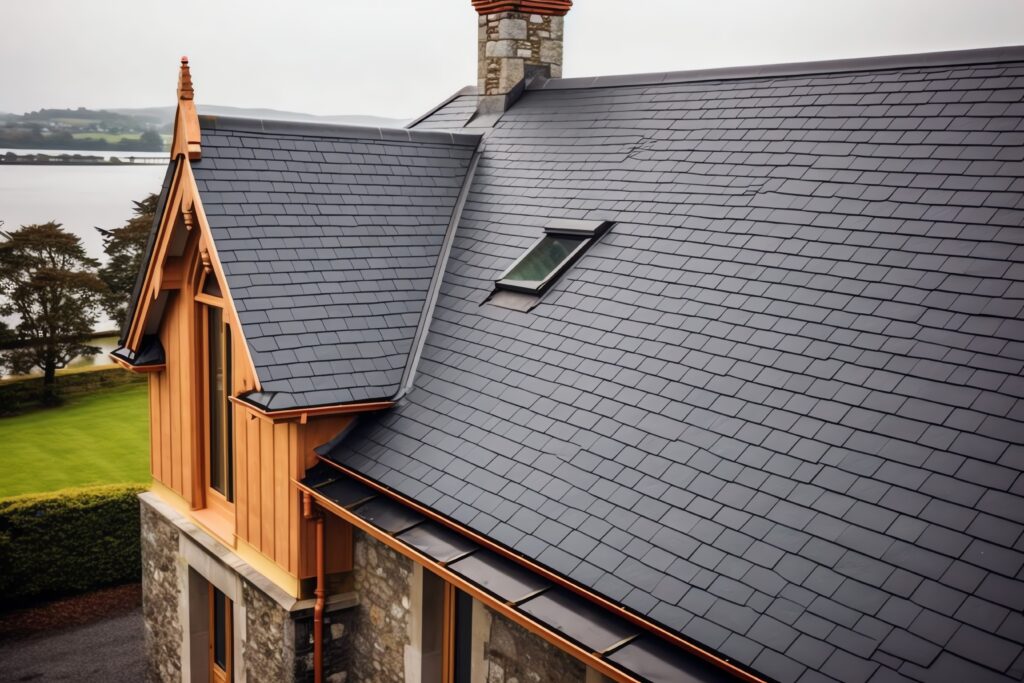
Choosing a premium exterior cover for your residence involves several significant decisions. You likely desire an aesthetic that endures for decades while remaining within a specific budget. Many homeowners appreciate the timeless elegance provided by traditional stone tiles.
Fortunately, modern technology now provides alternatives that replicate this striking appearance quite effectively. These engineered shingles offer a similar visual appeal without the heavy weight of quarried materials. This development has changed the way people think about high-end home protection.
Selecting between authentic materials and synthetic options represents a significant investment for any property owner. One path offers historic character, whereas the other provides simplified installation and lower structural stress. Both choices result in a stunning facade, yet they cater to different requirements.
Which is right for you? Making an informed decision requires evaluating long-term durability, initial costs, and necessary maintenance. We will examine how slate roofing compares to synthetic substitutes to identify your ideal solution.
Understanding Your Roofing Decision: Natural vs. Synthetic Slate
Natural slate and synthetic slate are two distinct options for roofing, each with its own set of advantages and disadvantages. Understanding these differences is crucial for making an informed decision that suits your needs and budget.
When considering slate roofing, the first aspect to understand is the material composition. Natural slate is derived from real stone, offering a unique, authentic appearance that many homeowners desire. On the other hand, synthetic slate is manufactured to mimic the look of natural slate but is made from composite materials, often a combination of plastics and other synthetic materials.
| Characteristics | Natural Slate | Synthetic Slate |
|---|---|---|
| Material | Real stone | Composite materials (plastics, etc.) |
| Lifespan | Up to 100 years or more | Typically 30-50 years |
| Maintenance | Low maintenance but requires occasional inspection | Generally low maintenance |
| Cost | Higher upfront cost | More affordable upfront |
The table above highlights some of the key differences between natural and synthetic slate. While natural slate offers a longer lifespan and authentic look, it comes with a higher upfront cost. Synthetic slate, while more budget-friendly initially, may not last as long but still offers a durable and aesthetically pleasing alternative.
Ultimately, the decision between natural slate and synthetic slate roofing depends on your priorities regarding budget, durability, and aesthetic preferences. By understanding the fundamental differences between these two materials, homeowners can make a more informed decision that aligns with their needs.
Natural Slate Roofing: The Time-Tested Classic
Natural slate roofing stands out as a timeless option, offering a blend of traditional appeal and robust performance. This roofing material has been a staple in the construction industry for centuries, prized for its durability and aesthetic versatility.
The Composition of Natural Slate
Natural slate is a metamorphic rock that is formed through the alteration of shale under intense pressure and heat. This process gives slate its characteristic density and durability. The composition of natural slate can vary depending on its source, with different quarries producing slate with unique characteristics.
The quality and appearance of natural slate are influenced by factors such as the presence of minerals and the degree of metamorphism it has undergone. For instance, slate with a higher iron content may exhibit a more pronounced color variation.
Lifespan and Longevity of Natural Slate
One of the most significant advantages of natural slate roofing is its exceptional lifespan. When properly installed and maintained, a natural slate roof can last for over a century, making it a long-term investment for homeowners.
Factors such as weather conditions, installation quality, and maintenance practices can impact the longevity of a natural slate roof. Regular inspections and timely repairs are crucial to ensuring that the roof remains in good condition.
Pricing and Installation Investment
The cost of natural slate roofing is generally higher compared to other materials, primarily due to the expense associated with quarrying and processing the slate. The initial investment in natural slate roofing includes not only the cost of materials but also the cost of professional installation.
While the upfront cost of natural slate roofing may be prohibitive for some homeowners, its long lifespan and low maintenance requirements can make it a cost-effective option in the long run.
Timeless Aesthetic and Color Variations
Natural slate roofing is renowned for its timeless aesthetic appeal, with a range of colors and textures available to suit different architectural styles. The natural variation in slate color can add depth and character to a roof, making each installation unique.
From the deep blacks and grays to the rich purples and greens, the color palette of natural slate offers homeowners a wide range of choices to complement their home’s exterior.
Benefits That Make Natural Slate Stand Out
Natural slate roofing offers several benefits that contribute to its enduring popularity. These include its durability, fire resistance, and environmental sustainability.
- Durability: Natural slate is highly resistant to weathering and can withstand harsh environmental conditions.
- Fire Resistance: Slate is non-combustible, making it an excellent choice for areas prone to wildfires.
- Environmental Sustainability: Natural slate is a natural, non-toxic material that can be recycled at the end of its life cycle.
Drawbacks and Practical Challenges
Despite its many advantages, natural slate roofing also has some drawbacks. These include its high upfront cost, the need for specialized installation, and the potential for fragility during handling.
Homeowners considering natural slate roofing should weigh these challenges against the material’s benefits to make an informed decision.
Synthetic Slate Roofing: The Innovative Alternative
For homeowners seeking a durable and aesthetically pleasing roofing solution, synthetic slate roofing presents a compelling alternative to traditional natural slate. This modern roofing material is engineered to mimic the appearance of natural slate while offering several practical advantages.
Material Composition
Synthetic slate is typically made from a combination of materials, including recycled plastics and rubber. These components are molded and textured to replicate the look of natural slate. The use of recycled materials not only reduces waste but also contributes to the eco-friendliness of synthetic slate roofing.
Key Components of Synthetic Slate:
- Recycled plastics
- Rubber compounds
- Other durable polymers
Lifespan and Durability
One of the significant benefits of synthetic slate is its impressive lifespan. While it may not last as long as natural slate, synthetic slate roofing can endure for several decades with proper maintenance. The average lifespan ranges from 30 to 50 years, depending on the quality of the material and installation.
Cost Considerations
The cost of synthetic slate roofing is generally lower than that of natural slate. The initial investment includes the cost of materials and installation. Here’s a breakdown of the typical costs involved:
| Component | Cost Range |
|---|---|
| Material Cost per Square Foot | $3 – $7 |
| Installation Cost per Square Foot | $5 – $10 |
| Total Cost for Average Home | $10,000 – $25,000 |
Appearance and Design Flexibility
Synthetic slate roofing is available in a wide range of colors and textures, allowing homeowners to achieve the desired aesthetic for their homes. The material can be designed to mimic the look of natural slate, offering a similar visual appeal without the associated costs and challenges.
Design Options:
- Variety of colors
- Different textures
- Customizable profiles
Advantages of Synthetic Slate
Synthetic slate offers several advantages, including:
- Durability and resistance to weathering
- Lightweight, reducing structural stress
- Lower upfront cost compared to natural slate
- Eco-friendly due to the use of recycled materials
Limitations and Considerations
While synthetic slate has many benefits, it also has some limitations. These include:
- May not be as durable as natural slate
- Can be prone to damage from extreme weather conditions
- May require specific installation techniques
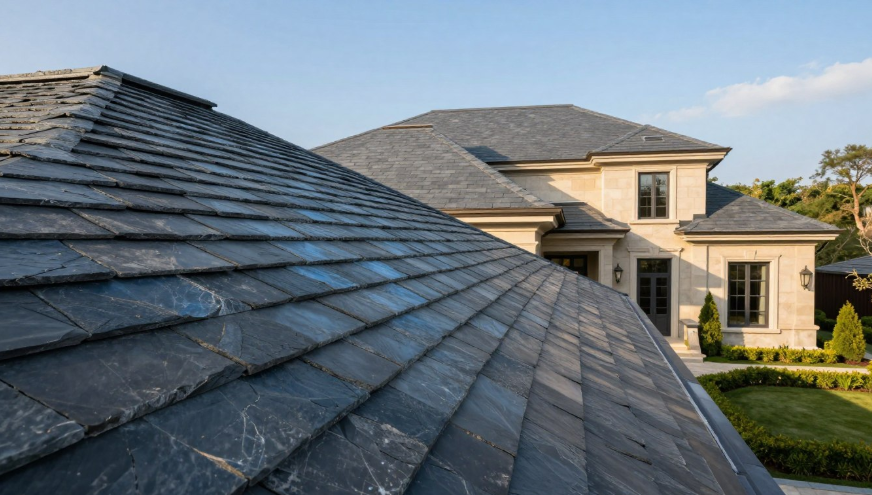
Evaluating Return on Investment and Long-Term Costs
Evaluating the return on investment (ROI) and long-term costs is essential for homeowners deciding between natural and synthetic slate roofing. This assessment involves considering several key factors that influence the overall cost and value of your roofing choice over time.
Resale Value Impact
The choice between natural and synthetic slate roofing can significantly affect your home’s resale value. Natural slate roofing is often viewed as a premium feature, potentially increasing a home’s appeal to prospective buyers due to its durability and classic aesthetic. On the other hand, synthetic slate roofing offers a cost-effective alternative that can also enhance a home’s value, albeit potentially not to the same extent as natural slate.
Studies have shown that homes with slate roofing, whether natural or synthetic, tend to sell for more than comparable homes without slate roofing. The perceived durability and low maintenance requirements of slate roofing contribute to its positive impact on resale value.
Maintenance Requirements Over Time
Maintenance is a critical aspect of long-term costs. Natural slate roofing is known for its durability and resistance to weathering, but it does require periodic inspections and repairs to maintain its integrity. The maintenance needs for natural slate can be more labor-intensive due to the potential for slate cracking or breaking.
In contrast, synthetic slate roofing is designed to mimic the appearance of natural slate while offering enhanced resistance to cracking and breaking. This can result in lower maintenance costs over time, as synthetic slate is generally easier to repair and replace.
Warranty Protection and Coverage
Warranty coverage is another important consideration when evaluating long-term costs. Reputable manufacturers of both natural and synthetic slate roofing products typically offer warranties that cover materials and sometimes installation.
- Natural Slate: Warranties may be less common or have more limited coverage due to the material’s inherent durability and longevity.
- Synthetic Slate: Often comes with comprehensive warranties that can range from 30 to 50 years or more, covering defects and sometimes installation issues.
Environmental Impact and Sustainability
The environmental impact of slate roofing is an increasingly important consideration for homeowners. Natural slate is a natural, non-toxic material that is recyclable at the end of its life cycle. However, the quarrying process can have environmental implications.
Synthetic slate, made from recycled materials such as rubber and plastic, offers a sustainable alternative. It reduces waste and can be more environmentally friendly in terms of production and disposal. However, its end-of-life recyclability may be limited compared to natural slate.
| Factor | Natural Slate | Synthetic Slate |
|---|---|---|
| Resale Value | High-end appeal, potentially higher resale value | Cost-effective, enhances resale value |
| Maintenance | Durable, but potentially higher maintenance costs | Lower maintenance costs, easier repairs |
| Warranty | Less common or limited coverage | Comprehensive warranties available |
| Environmental Impact | Natural, recyclable, but quarrying has environmental impact | Made from recycled materials, reduces waste |
Conclusion
Choosing between natural slate and synthetic slate roofing depends on several factors, including budget, desired lifespan, and personal preferences. Natural slate roofing offers a timeless aesthetic and exceptional durability, while synthetic slate roofing provides a more affordable and versatile alternative.
When deciding on the best slate roofing for your home, consider the long-term costs, maintenance requirements, and potential return on investment. Both options have their advantages and disadvantages, which are crucial in making an informed decision.
Ultimately, understanding the differences between natural and synthetic slate roofing will help you select the material that best suits your needs. By weighing the pros and cons of each, you can enjoy a durable and visually appealing slate roofing solution for years to come.