
Switching to renewable energy represents a significant milestone for any American homeowner. With utility costs rising, many families look for ways to lower their monthly bills while increasing property value. Making the right equipment decisions ensures your system performs reliably for decades.
Understanding how to choose solar panels effectively remains the most critical step in your journey toward energy independence. Not every product offers the same efficiency or durability, especially when facing harsh weather conditions. You want a setup that balances upfront costs with long-term savings.
Selecting high-quality hardware protects your financial commitment and guarantees better output. By focusing on efficiency ratings and manufacturer warranties, you gain peace of mind. This guide provides the essential knowledge you need to navigate the market with confidence. Let’s explore the best strategies for building a powerful and sustainable home energy system.
Understanding Solar Panel Types and Technology
To maximize your solar investment, it’s essential to understand the different solar panel types and their characteristics. The choice of solar panel can significantly impact the efficiency, cost, and overall performance of your solar energy system.
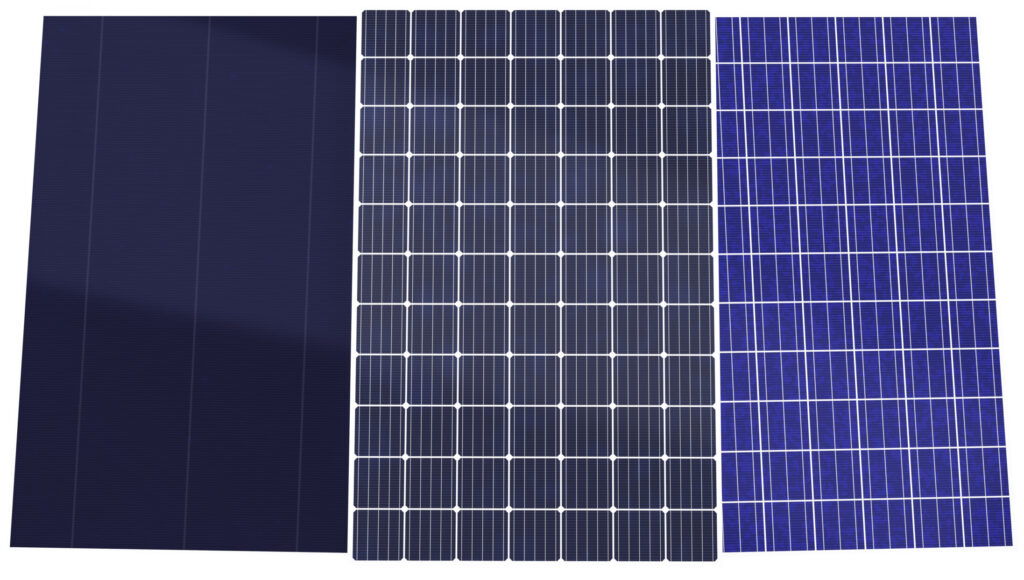
The solar market offers a variety of panel types, each with its strengths and weaknesses. The most common types are monocrystalline, polycrystalline, and thin-film solar panels. Understanding these technologies will help you make an informed decision when considering how to choose solar panels that best fit your energy needs and budget.
Monocrystalline Panels: The High-Efficiency Standard
Monocrystalline solar panels are known for their high efficiency rates, typically ranging from 18% to 22%. They are made from a single crystal structure, which gives them a higher power output per square foot compared to other types. This makes them ideal for installations where space is limited.
Key Benefits:
- High efficiency rates
- Space-efficient
- Long lifespan (often up to 25 years or more)
Polycrystalline Panels: A Budget-Friendly Alternative
Polycrystalline solar panels are another popular choice. They are made from multiple silicon crystals and have a slightly lower efficiency rate compared to monocrystalline panels, typically between 15% and 17%. However, they are generally more affordable, making them a budget-friendly option for those looking to invest in solar energy.
Key Benefits:
- Cost-effective
- Environmentally friendly
- Good performance in high temperatures
Thin-Film Solar Technology
Thin-film solar panels are made by depositing a thin layer of photovoltaic material onto a substrate. They are less efficient than both monocrystalline and polycrystalline panels, with efficiencies ranging from 7% to 13%. However, they are flexible, lightweight, and can be used in a variety of applications, including building-integrated photovoltaics.
Key Benefits:
- Flexible and lightweight
- Can be used in unique installations
- Less material usage
To further compare these solar panel types, let’s examine their characteristics in a tabular format:
| Type | Efficiency | Cost | Space Requirement | Lifespan |
|---|---|---|---|---|
| Monocrystalline | 18%-22% | Higher | Less | Up to 25 years or more |
| Polycrystalline | 15%-17% | Moderate | More | Up to 25 years |
| Thin-Film | 7%-13% | Lower | More | Up to 20 years |
By understanding the differences between these solar panel types, you can make a more informed decision that aligns with your energy goals, budget, and available space.
How to Choose Solar Panels Based on Efficiency and Output
To get the most out of your solar panel system, it’s essential to evaluate their efficiency and power output carefully. Solar panels with high efficiency and suitable output can significantly impact your energy savings and overall satisfaction with your solar investment.
Why Efficiency Ratings Matter for Limited Roof Space
Efficiency ratings indicate how well a solar panel converts sunlight into electricity. For homes with limited roof space, higher efficiency panels are crucial as they produce more power per square foot. This means you can generate the same amount of electricity with fewer panels, making the most of your available space.
Here are key points to consider regarding efficiency ratings:
- Higher efficiency panels are more effective in converting sunlight into electricity.
- They are ideal for homes with limited roof space, allowing for maximum energy production.
- High-efficiency panels can be more cost-effective in the long run, despite potentially higher upfront costs.
Understanding Power Output and Wattage
The power output of a solar panel, measured in watts (W), indicates its ability to produce electricity under standard test conditions. When choosing solar panels, it’s vital to understand the wattage to ensure it meets your energy needs.
Consider the following when evaluating power output and wattage:
- Check the wattage of the solar panels to determine their power output.
- Higher wattage panels can produce more electricity, but may also be larger and more expensive.
- Assess your energy consumption to determine the total wattage required for your solar panel system.
Temperature Coefficients and Real-World Performance
The temperature coefficient of a solar panel indicates how its efficiency changes with temperature variations. A lower temperature coefficient means the panel will perform better in high temperatures, maintaining its efficiency and output.
Key considerations for temperature coefficients include:
- A lower temperature coefficient is preferable, especially for warmer climates.
- Understanding the temperature coefficient helps in predicting real-world performance.
- It’s an essential factor in ensuring your solar panels operate efficiently throughout the year.
Sizing Your System for Maximum Energy Production
Determining the right size for your solar panel system is a critical step in ensuring you generate enough energy to power your home or business. A system that is too small may not meet your energy needs, while a system that is too large can be unnecessarily expensive.
Calculating Your Household Energy Consumption
To size your solar panel system correctly, you first need to understand your household’s energy consumption. Reviewing your past electricity bills can provide insights into your average daily energy usage. Look for the kilowatt-hours (kWh) used per month or year. You can also use online tools or consult with a solar installer to get a more accurate assessment.
Here are the key steps to calculate your energy consumption:
- Review past electricity bills to determine average energy usage.
- Consider using online energy consumption calculators.
- Consult with a professional solar installer for a detailed assessment.
Assessing Available Roof Space and Orientation
The available roof space and its orientation play a significant role in determining the size of your solar panel system. Ideally, your roof should face south to capture the maximum amount of sunlight throughout the day. However, east- or west-facing roofs can also be effective, albeit with slightly reduced efficiency.
When assessing your roof, consider the following factors:
- Roof size and shape.
- Orientation and angle of the roof.
- Shading from trees, buildings, or other obstructions.
Accounting for Future Energy Needs
When sizing your solar panel system, it’s also important to consider your future energy needs. Think about potential changes in your household or business that could affect your energy consumption, such as adding new appliances or expanding your living or working space.
To future-proof your solar panel system, keep these tips in mind:
- Consider potential future expansions or changes.
- Assess the potential for adding more appliances or equipment.
- Discuss your plans with your solar installer to ensure your system is scalable.
Aesthetic Considerations and Long-Term Protection
When investing in solar panels, it’s not just about efficiency and cost; aesthetics play a crucial role too. Homeowners are increasingly considering how solar panels will look on their roofs, as they are a visible sign of their commitment to renewable energy.
Selecting Backsheet and Frame Colors for Curb Appeal
The color of the backsheet and frame can significantly affect the overall appearance of solar panels. Most solar panels have either a black or silver frame and a white or black backsheet.
The Impact of Black-on-Black Panels
Black-on-black solar panels, with both a black frame and backsheet, offer a sleek and uniform appearance that many homeowners find appealing. This design can be particularly effective at blending in with darker roofing materials.
Silver Frames and White Backsheets
On the other hand, solar panels with silver frames and white backsheets can provide a more traditional look. While they may not be as visually cohesive as black-on-black panels, they can still complement a variety of roof styles.
| Frame Color | Backsheet Color | Aesthetic Impact |
|---|---|---|
| Black | Black | Sleek, uniform appearance; blends well with dark roofs |
| Silver | White | More traditional look; complements various roof styles |
Navigating Solar Panel Warranties
Beyond aesthetics, it’s crucial to consider the long-term protection offered by solar panel warranties. A comprehensive warranty can provide peace of mind and protect your investment.
Product Warranties vs. Performance Guarantees
Solar panel manufacturers typically offer two types of warranties: product warranties and performance guarantees. Product warranties cover defects in materials and workmanship, usually for 10 to 12 years. Performance guarantees, on the other hand, ensure that the panels will produce a certain level of power over a longer period, often 25 years or more.
Understanding Labor and Shipping Coverage
In addition to product and performance warranties, some manufacturers offer labor and shipping coverage. Labor warranties cover the cost of labor for repairs or replacements, while shipping coverage ensures that the cost of shipping replacement parts is covered.
| Warranty Type | Coverage | Typical Duration |
|---|---|---|
| Product Warranty | Defects in materials and workmanship | 10-12 years |
| Performance Guarantee | Power output level | 25 years or more |
| Labor Warranty | Labor costs for repairs/replacements | Varies |
| Shipping Coverage | Shipping costs for replacement parts | Varies |
Conclusion
Choosing the right solar panels is a crucial step in harnessing the power of solar energy for your home or business. By understanding the different types of solar panels, their efficiency, and output, you can make an informed decision that maximizes your investment.
When learning how to choose solar panels, it’s essential to consider factors such as available roof space, energy consumption, and future needs. Assessing these elements will help you size your system correctly and ensure it meets your energy requirements.
Additionally, considering aesthetic factors and the long-term protection offered by your solar panel system can enhance your overall satisfaction and return on investment. By carefully evaluating these aspects, you can confidently select solar panels that provide both financial and environmental benefits.
Ultimately, understanding how to choose solar panels effectively enables you to capitalize on the benefits of solar energy, reducing your reliance on traditional energy sources and contributing to a more sustainable future.