
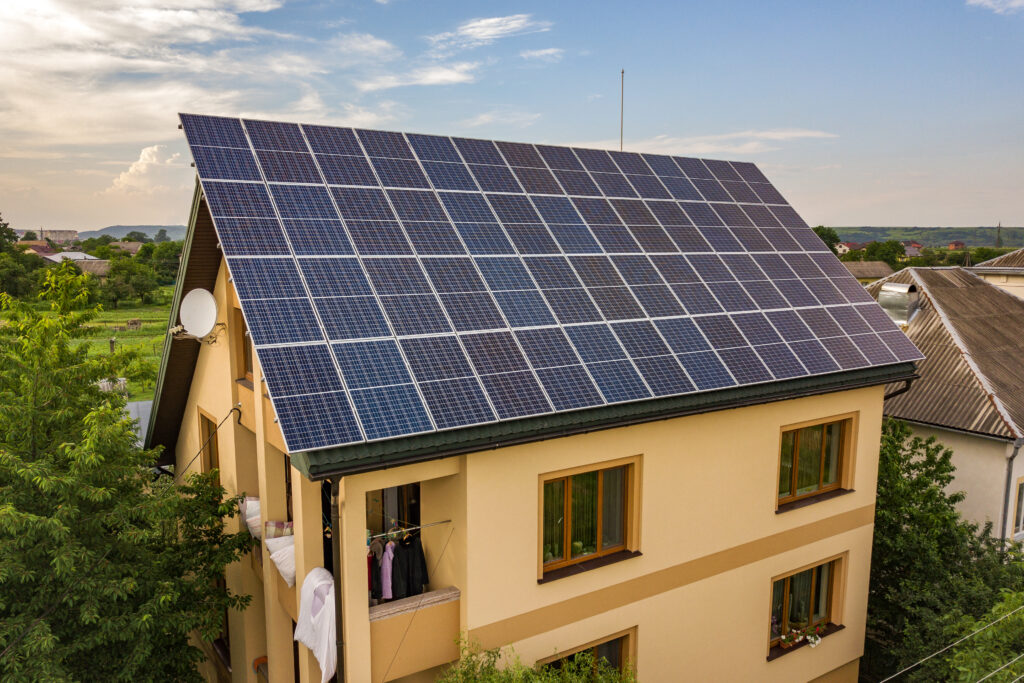
Switching to renewable energy represents a major milestone for any homeowner. You might find yourself wondering are solar panels worth it for your specific property and budget. Making this transition requires careful planning and a clear understanding of your energy needs.
Before you commit to a long-term contract, you must evaluate several critical factors. Asking the right questions helps you avoid common pitfalls and ensures your investment provides maximum efficiency for years to come. We have compiled a list of twelve essential inquiries to guide your decision-making process.
From assessing your roof condition to understanding local tax incentives, these points cover everything you need to know. Taking the time to research these details now will save you significant stress later. Once you feel confident in your knowledge, reaching out to a professional solar installation service will be your next logical step toward energy independence.
Assessing Your Home’s Solar Potential
Assessing your home’s suitability for solar energy is essential to reap its benefits and determine if solar panels are worth it. This involves evaluating several key factors that influence the effectiveness of a solar panel system.
Does your roof receive adequate sunlight throughout the day?
The amount of sunlight your roof receives is a critical factor in determining its solar potential. Ideally, your roof should face true south (or slightly southwest or southeast) to capture the most sunlight throughout the day. Consider any obstructions such as trees, chimneys, or neighboring buildings that could cast shade on your roof.
Is your roof structure suitable for heavy solar equipment?
The structural integrity of your roof is another crucial aspect to consider. Solar panels are heavy, and your roof must be able to support their weight. Additionally, the condition and age of your roof are important; if your roof is nearing the end of its lifespan, it may be more cost-effective to replace it before installing solar panels.
How much energy does your household consume on a monthly basis?
Understanding your energy consumption patterns is vital to determining the size of the solar panel system you need. Review your past electricity bills to calculate your average monthly energy usage. This information will help you decide on the appropriate size and number of solar panels required to meet your energy needs.
By carefully assessing these factors, you can make an informed decision about whether solar panels are a good fit for your home and if they are worth the investment.
Financial Considerations and Determining If Are Solar Panels Worth It
To make an informed decision about installing solar panels, it’s essential to delve into the financial considerations and assess their long-term value. Understanding the costs involved, available incentives, and potential return on investment will help you determine if solar panels are a worthwhile investment for your home.
What is the total upfront cost of a solar installation?
The total upfront cost of a solar installation can vary significantly based on several factors, including the size of the system, the type of solar panels used, and the complexity of the installation. On average, the cost of solar panels ranges from $15,000 to $30,000 or more for a typical residential system. However, financing options such as loans and leases can help make the initial investment more manageable.
Here are some key factors that influence the upfront cost:
- System size: Larger systems cost more but can generate more electricity.
- Panel quality: High-efficiency panels are more expensive but offer better performance.
- Installation costs: Labor costs and the complexity of the installation can affect the overall price.
- Additional equipment: Inverters, mounting hardware, and monitoring systems add to the total cost.
Are there federal tax credits or state incentives available in your area?
Fortunately, various incentives can help offset the initial cost of solar panels. The Federal Solar Investment Tax Credit (ITC) allows homeowners to deduct a significant percentage of the installation cost from their federal taxes. Additionally, many states offer their own incentives, such as rebates, tax credits, and property tax exemptions.
Some key incentives to explore include:
- State and local rebates: Many utility companies and local governments offer rebates for solar installations.
- Property tax exemptions: Some states exempt solar installations from property tax assessments.
- Net metering laws: These laws allow homeowners to sell excess energy back to the grid, reducing their utility bills.
How long is the expected payback period for your investment?
The payback period for solar panels is a critical factor in determining their financial viability. This period is calculated by dividing the total upfront cost by the annual savings on energy bills. On average, the payback period for solar panels ranges from 5 to 10 years, depending on the system size, local electricity rates, and available incentives.
| Factor | Impact on Payback Period |
|---|---|
| System Size | Larger systems can reduce the payback period by generating more electricity. |
| Local Electricity Rates | Higher electricity rates can shorten the payback period by increasing savings. |
| Incentives | Available incentives can significantly reduce the payback period. |
By carefully evaluating these financial considerations, homeowners can make an informed decision about whether solar panels are worth the investment for their specific situation.
Understanding Solar Technology and Efficiency
To maximize the benefits of solar energy, it’s essential to understand the different types of solar panels and their characteristics. This knowledge will help you make an informed decision when selecting a solar panel system for your home.
Solar panels convert sunlight into electricity using photovoltaic (PV) cells. The type of PV cells used can significantly affect the efficiency and cost of the solar panel system.
What is the difference between monocrystalline and polycrystalline panels?
Monocrystalline solar panels are made from a single crystal structure, typically silicon, which gives them a higher efficiency rate compared to polycrystalline panels. Monocrystalline panels have a uniform appearance and are known for their durability and performance in low-light conditions.
Polycrystalline solar panels, on the other hand, are made from multiple crystal structures. They are generally less expensive to produce than monocrystalline panels but have a slightly lower efficiency rate. However, advancements in technology have narrowed the efficiency gap between the two types.
Do you need a battery storage system to maximize your energy independence?
A battery storage system allows you to store excess energy generated by your solar panels during the day for use at night or during power outages. This can significantly enhance your energy independence and provide backup power during grid failures.
When deciding on a battery storage system, consider factors such as your energy usage patterns, the size of your solar panel system, and your budget. Popular battery storage options include lithium-ion batteries, which offer high efficiency and a long lifespan.
How do solar panel warranties protect your long-term investment?
Solar panel warranties are crucial for protecting your investment. Most solar panels come with a manufacturer’s warranty that guarantees a certain level of performance over a specified period, typically 25 years. Warranties can cover both product defects and performance degradation, ensuring that your solar panels continue to generate electricity at a satisfactory level.
Understanding the terms of your solar panel warranty is vital. Look for warranties that cover repairs or replacements for defective panels and those that guarantee a minimum level of energy production over the warranty period.
Navigating the Installation and Maintenance Process
The journey to solar energy involves more than just purchasing panels; it requires careful planning and execution. As you prepare for the installation of your solar panels, it’s essential to understand the various steps and considerations involved in the process.
What permits and local regulations must you navigate before installation?
Before the installation of your solar panels can begin, you must obtain the necessary permits and comply with local regulations. These can vary significantly depending on your location, so it’s crucial to research the specific requirements in your area. Some of the common permits and regulations include:
- Building permits
- Electrical permits
- Zoning regulations
- Compliance with local building codes
It’s advisable to work with a solar installer who is familiar with the local regulations and can guide you through the permitting process.
How much ongoing maintenance is required to keep panels operating at peak efficiency?
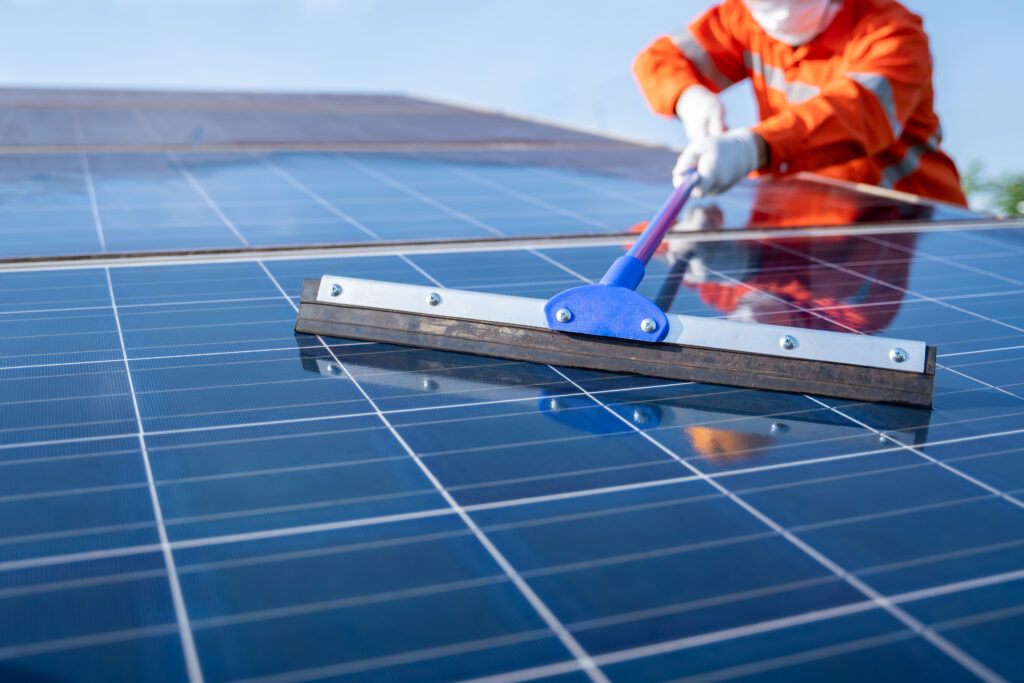
Solar panels require relatively low maintenance compared to other home systems. However, regular cleaning and inspections are necessary to ensure they operate at peak efficiency. The frequency of cleaning depends on your location and environmental conditions. For example:
- In areas with high dust or pollen levels, more frequent cleaning may be necessary.
- Panels should be inspected annually for damage or debris accumulation.
Most solar installers offer maintenance services or can recommend local professionals for these tasks.
Will solar panels increase the resale value of your property?
Installing solar panels can significantly increase the resale value of your property. Studies have shown that homes equipped with solar energy systems sell for more than those without. The increase in value can be attributed to the potential for energy savings and the appeal of renewable energy to prospective buyers. Key factors that influence the impact on resale value include:
- The size and quality of the solar panel system
- The age and condition of the system at the time of sale
- Local market demand for homes with solar energy systems
Overall, solar panels can be a valuable addition to your home, enhancing both its functionality and marketability.
Conclusion
Deciding to invest in solar panels is a significant decision that requires careful consideration of various factors. By assessing your home’s solar potential, understanding the financial implications, and navigating the installation process, you can make an informed decision about whether solar panels are worth it for you.
The 12 questions outlined in this article are designed to guide you through this process, helping you evaluate your energy needs, the suitability of your home, and the potential return on investment. As you weigh these factors, it’s essential to consider seeking professional assistance from a reputable solar installation service to ensure a smooth and efficient installation process.
With the right guidance, you can harness the benefits of solar energy, reduce your reliance on traditional energy sources, and contribute to a more sustainable future. By carefully evaluating your options and seeking expert advice, you can determine if investing in solar panels is a worthwhile decision for your household.