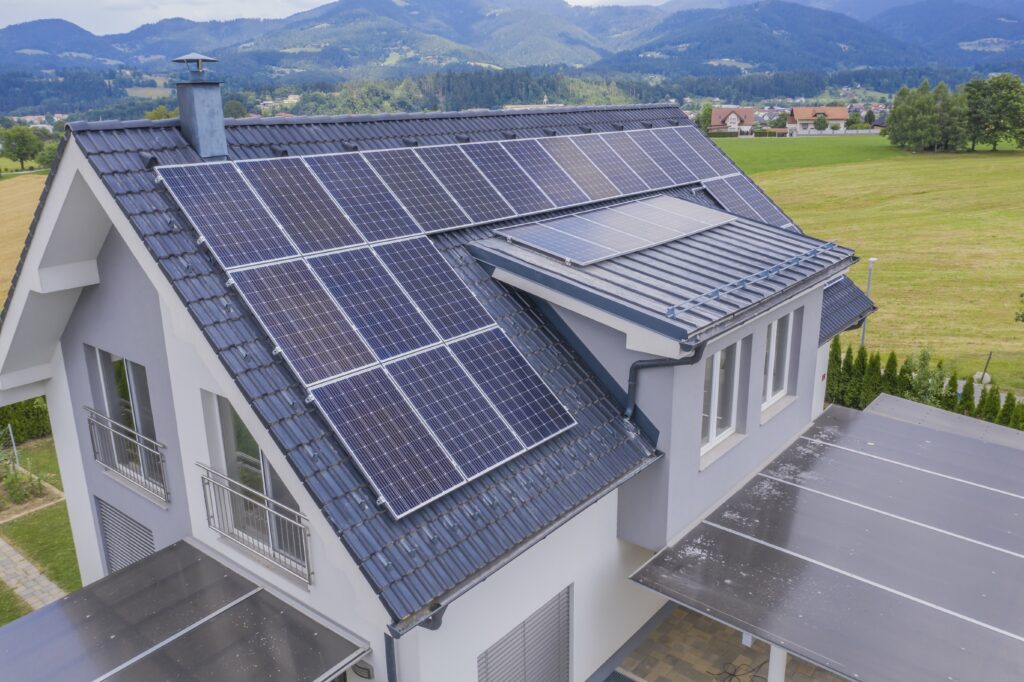
Homeowners across the United States are increasingly looking for ways to lower utility bills while helping the environment. Many people wonder if sustainable energy solutions work well with their current home design. Specifically, many ask, “Can solar panels be installed on a metal roof without causing damage?”
The good news is that these two technologies often make a perfect match. Combining durable materials with clean power generation offers a smart path toward energy independence. You might find that your existing structure provides the ideal foundation for a modern upgrade.
However, navigating the technical details requires careful planning. Understanding the long-term benefits of solar panels on metal roofs helps you make an informed choice for your property. We will explore the essential factors regarding pricing, longevity, and maintenance to ensure your project succeeds. Let’s dive into how you can maximize your home’s efficiency while protecting your investment for years to come.
Understanding can solar panels be installed on a metal roof
As homeowners increasingly turn to solar energy, a common query arises: Can solar panels be installed on metal roofs? The answer is yes, and in many cases, metal roofs are an excellent choice for solar panel installations.
Metal roofs have gained popularity due to their durability and longevity, making them a great match for the long-term investment that solar panels represent. However, the compatibility of solar panels with different types of metal roofs is a crucial consideration.
Compatibility with Different Metal Roof Types
Not all metal roofs are created equal when it comes to solar panel installation. The most common types of metal roofs include standing seam, corrugated, and screw-down or exposed fastener roofs. Standing seam metal roofs are particularly well-suited for solar installations due to their raised seams, which provide an ideal attachment point for solar panel mounting hardware without compromising the roof’s integrity.
Corrugated metal roofs can also be used for solar panel installations, although they may require additional considerations to ensure a secure and watertight seal. Screw-down or exposed fastener roofs present more challenges due to the potential for leaks around the fasteners, but they are not entirely ruled out with the right mounting solutions.
Why Metal Is Often Considered the Ideal Solar Substrate
Metal roofs are often considered the ideal substrate for solar panels due to their durability and longevity. Unlike other roofing materials that may degrade over time, metal roofs can last for decades with minimal maintenance, aligning well with the lifespan of solar panel systems.
Additionally, metal roofs are non-combustible and can provide a robust base for solar panels, enhancing the overall safety and efficiency of the solar energy system. Their smooth surface also facilitates easier installation and maintenance of solar panels.
The Advantages of Pairing Solar with Metal Roofing
By combining solar panels with metal roofing, homeowners can unlock a host of benefits that enhance their property’s energy efficiency, durability, and environmental sustainability.
One of the primary advantages of this combination is the potential for improved longevity and durability. Metal roofs are known for their ability to withstand harsh weather conditions and last for decades with minimal maintenance.
Longevity and Durability Benefits
Metal roofs can last 30 to 50 years or more, depending on the material and installation quality. When paired with solar panels, the roofing system’s durability is further enhanced. Solar panels can protect the metal roof from environmental stressors like UV radiation and weathering, potentially extending its lifespan.
Key benefits include:
- Reduced risk of roof damage from UV exposure
- Improved resistance to weathering and corrosion
- Potential for extended roof lifespan
Enhanced Energy Efficiency and Cooling
Another significant advantage of pairing solar panels with metal roofing is the potential for enhanced energy efficiency. Metal roofs can be designed to reflect solar radiation, reducing heat gain in the summer and energy consumption.
When combined with solar panels, this reflective property can be even more beneficial. Solar panels can generate electricity while also providing shade for the roof, further reducing heat gain and cooling costs.
Environmental Impact and Sustainability
The combination of solar panels and metal roofing also offers significant environmental benefits. Both materials are highly recyclable and can be sourced from sustainable suppliers.
By choosing a metal roof and solar panels, homeowners can reduce their reliance on fossil fuels and lower their carbon footprint. This sustainable solution can also increase property value and appeal to environmentally conscious buyers.
In conclusion, pairing solar panels with metal roofing offers a range of benefits that can enhance a property’s energy efficiency, durability, and environmental sustainability.
Potential Challenges and Considerations for Installation
The process of installing solar panels on metal roofs presents unique challenges that need to be addressed for a successful installation. While metal roofs are considered ideal for solar installations due to their durability and longevity, several factors must be carefully considered to ensure a seamless and efficient process.
Managing Thermal Expansion and Contraction
One of the key challenges when installing solar panels on metal roofs is managing thermal expansion and contraction. Metal roofs expand and contract with temperature changes, which can affect the integrity of the solar panel mounting system if not properly addressed. To mitigate this, installers must use mounting systems that accommodate the thermal movement of the metal roof.
Selecting the Right Mounting Hardware
The choice of mounting hardware is critical for a successful solar panel installation on a metal roof. The hardware must be compatible with the type of metal roof and the solar panel system being used. Selecting the right mounting hardware ensures that the solar panels are securely fastened and can withstand various environmental conditions.
Standing Seam vs. Exposed Fastener Systems
When it comes to mounting solar panels on metal roofs, two common systems are used: standing seam and exposed fastener systems. Standing seam systems are preferred for their ability to provide a secure attachment without penetrating the roof surface, thereby reducing the risk of leaks. In contrast, exposed fastener systems involve screwing through the roof surface, which can compromise the roof’s integrity if not done correctly.
Addressing Potential Leak Risks
One of the primary concerns when installing solar panels on metal roofs is the risk of leaks. To minimize this risk, it is essential to ensure that the mounting hardware is designed to prevent water intrusion. Regular inspections and maintenance can also help identify potential issues before they become major problems.
How Solar Panels Impact Your Metal Roof’s Lifespan
As homeowners increasingly adopt solar energy, understanding the impact of solar panels on metal roof lifespan becomes crucial. The integration of solar panels with metal roofing is becoming more common, and it’s essential to examine how these systems interact with the roofing material.
The Protective Nature of Solar Arrays
Solar panels can have a protective effect on metal roofs by shielding them from certain environmental factors. The panels act as a barrier against UV radiation, which can cause degradation of the roof’s coating over time. Additionally, solar arrays can protect the roof from hail and other forms of impact damage. By reducing the roof’s exposure to these elements, solar panels can potentially extend the lifespan of the metal roof.
Avoiding Premature Wear and Tear
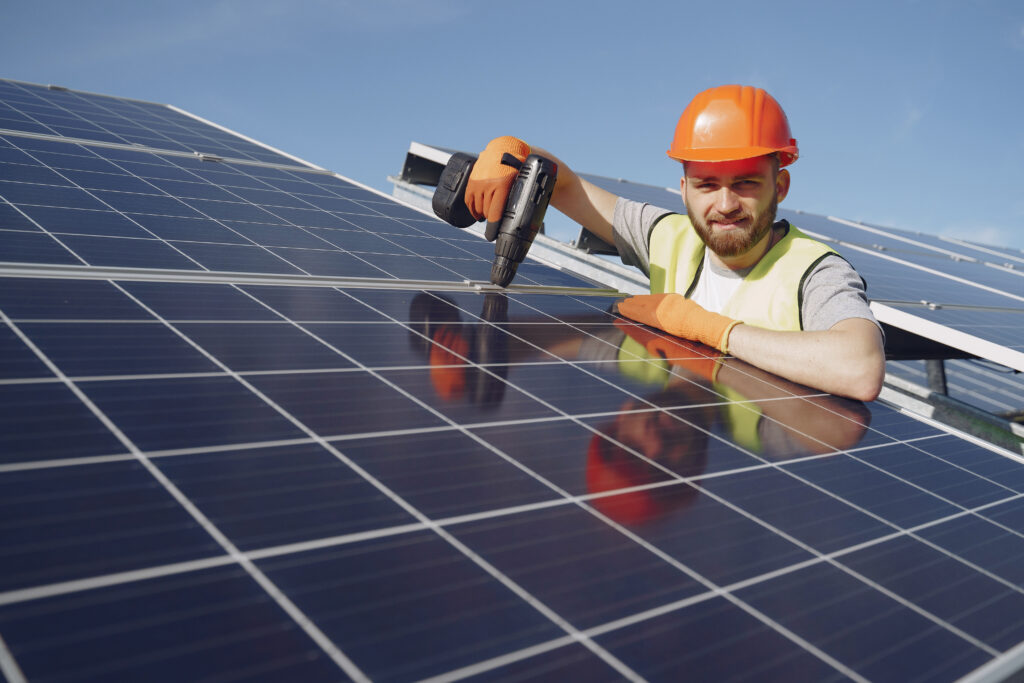
While solar panels can offer protective benefits, their installation must be done carefully to avoid causing premature wear and tear on the metal roof. It’s crucial to select a qualified installer who understands the nuances of working with metal roofs. Proper installation techniques and hardware are essential to prevent damage to the roof and ensure the longevity of both the solar panels and the roofing material.
Warranty Implications for Your Roofing Material
The installation of solar panels on a metal roof can have implications for the roof’s warranty. Homeowners should review their roofing warranty to understand how the installation of solar panels might affect its terms. Some manufacturers may have specific requirements or restrictions for solar panel installations on their products. Ensuring compliance with these requirements is vital to maintaining the validity of the warranty.
Maintaining Roof Functionality and Structural Integrity
The installation of solar panels on metal roofs requires careful consideration of the roof’s overall integrity. Solar panels add weight and can potentially impact the roof’s functionality if not installed correctly. Proper installation is key to ensuring that the roof remains structurally sound.
Weight Distribution and Load-Bearing Capacity
One of the primary concerns when installing solar panels on a metal roof is the weight distribution and load-bearing capacity. The added weight of the solar panels can put additional stress on the roof structure. To mitigate this, it’s essential to assess the roof’s condition and ensure it can support the weight of the panels.
Key considerations for weight distribution include:
- Assessing the roof’s structural integrity before installation
- Distributing the weight of the solar panels evenly across the roof
- Using mounting hardware that is designed for metal roofs and compatible with the solar panel system
Ensuring Proper Ventilation Under the Panels
Proper ventilation under the solar panels is crucial for maintaining the roof’s functionality and preventing potential issues such as moisture buildup. Adequate ventilation helps to regulate temperature and reduce the risk of damage to the roof and the solar panels.
To ensure proper ventilation, consider the following:
- Leaving sufficient space between the solar panels and the roof surface
- Using ventilated mounting systems that allow for airflow
- Ensuring that the roof has adequate ventilation overall, including soffit vents and ridge vents
Accessing the Roof for Future Repairs
Finally, it’s essential to plan for future repairs and maintenance by ensuring that the roof remains accessible. This includes designing the solar panel installation in a way that allows for easy access to the roof.
Best practices for accessibility include:
- Designing the solar panel layout to allow for clear pathways to critical roof areas
- Using mounting systems that do not obstruct access to roof features such as vents and skylights
- Ensuring that the installation does not compromise the roof’s existing maintenance access points
Breaking Down the Costs of Metal Roof Solar Systems
As homeowners consider solar energy, breaking down the costs associated with metal roof solar systems becomes essential. The overall cost involves several components that need to be understood to make an informed decision.
Equipment and Hardware Expenses
The cost of solar panels and the hardware required for installation on metal roofs can vary significantly. Solar panel prices have decreased over the years, making them more affordable. However, the quality and efficiency of the panels can impact the overall cost. Additionally, the type of metal roof and the mounting hardware required can add to the expenses.
Some of the key equipment costs include:
- Solar panels
- Mounting hardware designed for metal roofs
- Inverters and other electrical components
- Batteries for energy storage (if applicable)
Labor Costs for Specialized Metal Roof Installers
Labor costs are another significant factor in the overall expense of installing solar panels on metal roofs. It’s crucial to hire installers who are experienced in working with metal roofs, as they require specialized knowledge to ensure a secure and leak-free installation.
Experienced installers can assess the condition and type of metal roof to determine the best installation method, thereby affecting labor costs. The complexity of the roof design and the size of the solar array also play a role in determining the total labor expense.
Available Tax Credits and Financial Incentives in the United States
The United States offers various tax credits and financial incentives to encourage the adoption of solar energy. Homeowners can benefit from the Solar Investment Tax Credit (ITC), which allows them to deduct a significant percentage of the solar installation costs from their federal taxes.
Other incentives may be available at the state and local levels, including rebates and property tax exemptions. It’s essential for homeowners to research and explore these opportunities to offset the initial costs of their metal roof solar systems.
| Incentive Type | Description | Benefit |
|---|---|---|
| Solar Investment Tax Credit (ITC) | Federal tax credit for solar installations | Significant tax deduction |
| State and Local Rebates | Rebates offered by states and local governments | Direct financial rebate |
| Property Tax Exemptions | Exemptions from increased property taxes due to solar installation | Long-term savings on property taxes |
Best Practices for a Successful Solar Installation
The key to a successful solar installation lies in understanding the unique characteristics of metal roofs and adapting the installation process accordingly. A successful installation not only ensures the longevity of both the solar panels and the metal roof but also maximizes the energy efficiency and financial benefits of the solar investment.
Professional Roof Inspection
Before installing solar panels on a metal roof, it’s essential to conduct a professional roof inspection. This step helps identify any potential issues with the roof’s condition, structure, or material that could affect the solar installation. A professional inspection can reveal signs of wear, damage, or corrosion that need to be addressed before proceeding.
The inspection should cover aspects such as the roof’s age, material condition, and any existing damage or needed repairs. This proactive approach ensures that the roof is in good condition to support the solar panel system.
Selecting Experienced Solar Contractors
Choosing the right solar contractor is crucial for a successful solar installation. Homeowners should look for contractors with experience in installing solar panels on metal roofs. These professionals understand the unique challenges and opportunities presented by metal roofing materials.
When selecting a solar contractor, consider their:
- Experience with metal roof solar installations
- Reputation and customer reviews
- Certifications and compliance with industry standards
- Warranty and maintenance offerings
Planning for Long-term Maintenance
Long-term maintenance is vital to ensure the solar panel system operates efficiently over its lifespan. Regular cleaning and inspections can help identify and address issues before they become major problems.
| Maintenance Task | Frequency | Importance |
|---|---|---|
| Cleaning Solar Panels | Every 6 months | High |
| Inspecting Panel Condition | Annually | High |
| Checking Mounting Hardware | Every 2 years | Medium |
By following these best practices, homeowners and businesses can ensure a successful solar installation on their metal roofs, maximizing the benefits of their solar investment.
Conclusion
Installing solar panels on metal roofs is a viable and beneficial option for homeowners in the United States. The compatibility of solar panels with various metal roof types, along with the longevity and durability benefits, makes metal roofing an ideal substrate for solar arrays.
The benefits of solar on metal roofing include enhanced energy efficiency, reduced environmental impact, and increased property value. While there are potential challenges to consider, such as managing thermal expansion and contraction, selecting the right mounting hardware, and addressing potential leak risks, these can be mitigated with proper installation and maintenance.
By understanding the costs, warranty implications, and best practices for installation, homeowners can make informed decisions about pairing solar panels with metal roofing. This combination offers a sustainable and cost-effective solution for those looking to reduce their carbon footprint and energy bills.
A conclusion on solar panels and metal roofs highlights the importance of considering factors such as roof inspection, experienced solar contractors, and long-term maintenance to ensure a successful solar installation. The benefits of solar on metal roofing are clear, making it an attractive option for those seeking a durable and environmentally friendly roofing solution.