
Keeping your home safe from water damage requires a solid plan. Many homeowners overlook the vital systems that channel rain away from their property. Understanding the difference between gutters and downspouts is the first step toward effective exterior maintenance. While these components work as a team, they perform very different tasks during a storm.
Gutters act as the horizontal collection system along your roofline. They catch falling rain to prevent it from pooling near your siding or windows. In contrast, the vertical pipes carry the collected water safely to the ground. This process protects your foundation from erosion and keeps your basement dry.
In this guide, we will explore how these parts function to preserve your home’s structural integrity. You will learn how to spot common issues before they become expensive repairs.
Understanding the roles of gutters and downspouts
Effective home maintenance involves understanding the roles of various exterior components, including gutters and downspouts. These elements work together to protect a home from water damage by collecting and redirecting rainwater away from the house.
What are Gutters?
Gutters are channels installed along the edges of roofs to collect rainwater and debris. They are typically made from materials such as aluminum, vinyl, or copper, each offering different advantages in terms of durability, cost, and aesthetic appeal.
The primary function of gutters is to prevent water from accumulating around the foundation of a house, which can lead to erosion, basement flooding, and structural damage. By directing water into the downspouts, gutters play a crucial role in maintaining the integrity of a home’s exterior.
What are Downspouts?
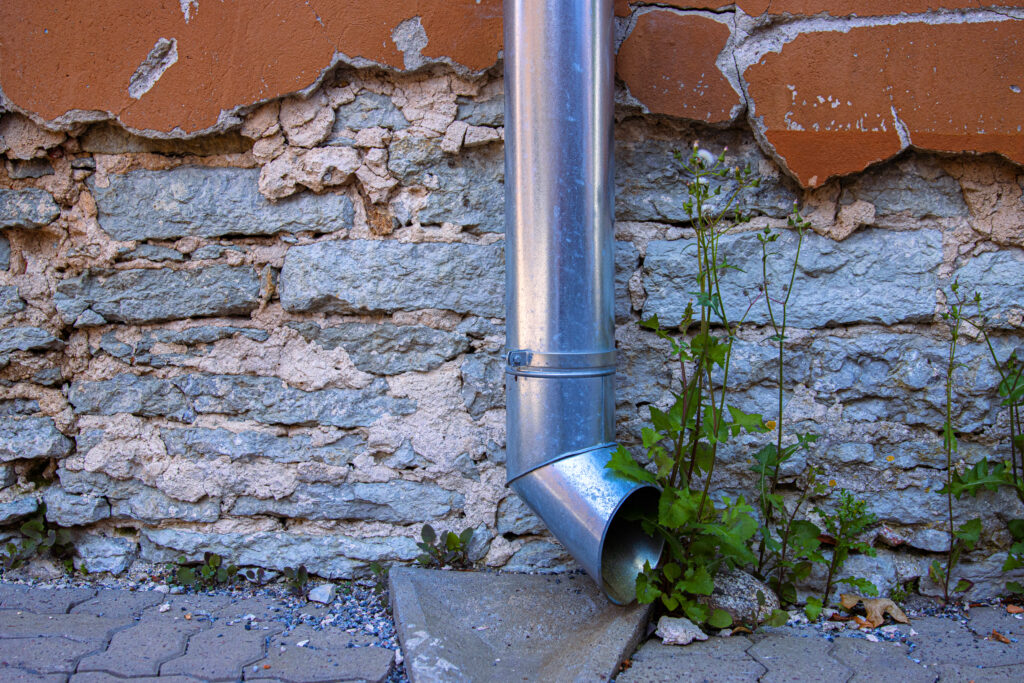
Downspouts are pipes that carry water from the gutters down to the ground, away from the house. They are an essential component of the rainwater drainage system, ensuring that water is effectively redirected from the home’s foundation.
Downspouts can be made from the same materials as gutters and come in various shapes and sizes. Some downspouts are designed with additional features, such as splash blocks or extensions, to further protect the home’s foundation from water damage.
| Material | Gutters | Downspouts |
|---|---|---|
| Aluminum | Durable, resistant to corrosion | Lightweight, easy to install |
| Vinyl | Cost-effective, low maintenance | Resistant to rust, easy to clean |
| Copper | Aesthetically pleasing, long-lasting | Develops a protective patina over time |
Key differences between gutters and downspouts
While often mentioned together, gutters and downspouts have unique roles in protecting a home from water damage. The differences between them are crucial for understanding how they work together to safeguard a home’s foundation and exterior.
Functional distinctions in water collection
Gutters are primarily responsible for collecting water from the roof. They are installed along the roof’s edge to catch rainwater and direct it towards the downspouts. The primary function of gutters is to prevent water from flowing freely off the roof, which could lead to erosion around the house.
In contrast, downspouts are designed to direct the collected water away from the house. They are typically positioned at strategic points along the gutters to ensure efficient water diversion. The key differences in their functions are highlighted in the following points:
- Gutters collect and channel water towards downspouts.
- Downspouts transport water away from the house to a safe distance.
Structural placement and design variations
The placement and design of gutters and downspouts also vary significantly. Gutters are usually attached to the fascia board along the roof’s edge, coming in various materials such as aluminum, vinyl, and copper. The choice of material often depends on the homeowner’s preference, budget, and the architectural style of the house.
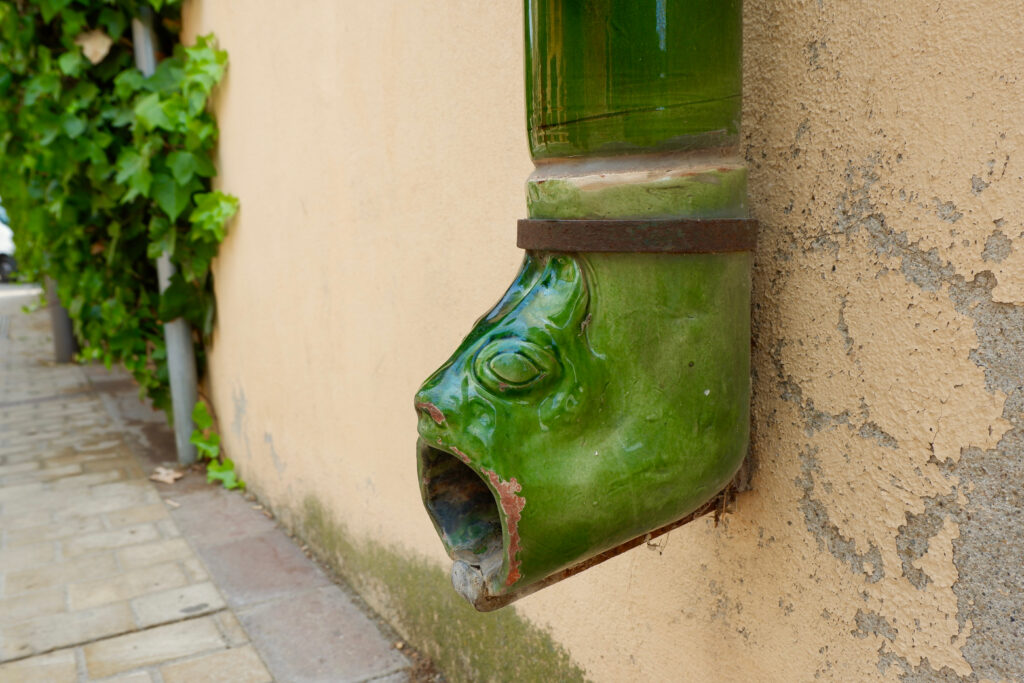
Downspouts, on the other hand, are typically installed at corners or at specific intervals along the gutters. They can be designed to be more decorative or to serve specific functional needs, such as extending further away from the house to prevent water accumulation.
Some key differences in their design and placement include:
- Gutters are installed along the roof’s edge.
- Downspouts are positioned at strategic points to direct water away from the house.
- Both gutters and downspouts come in various designs and materials to suit different architectural styles.
How the downspout system works and why it matters
A well-designed downspout system is essential for directing water away from your home’s foundation. The downspout system works in conjunction with gutters to manage rainwater effectively, ensuring that water is properly diverted and does not accumulate around the house.
Mechanics of the Drainage System
The downspout system is a critical component of a home’s exterior drainage. It collects water from the gutters and channels it down to the ground, away from the house. This process is crucial for preventing water accumulation around the foundation, which can lead to erosion and structural damage.
The mechanics involve a simple yet effective design. Water flows from the roof into the gutters, which are typically installed along the edges of the roof. The gutters collect and channel the water towards the downspouts, which are usually positioned at strategic points along the house’s perimeter. The downspouts then direct the water downwards, often into a drainage system or a splash block that further diverts the water away from the house.
Common Downspout Designs and Materials
Downspouts come in various designs and materials, each with its own set of benefits. The choice of downspout design and material can significantly impact the effectiveness and durability of the downspout system.
K-style vs. Half-Round Configurations
Two of the most common downspout configurations are K-style and half-round. K-style downspouts have a flat back and a decorative front, resembling molding. They are popular for their aesthetic appeal and are often used in modern homes. Half-round downspouts, on the other hand, have a semi-circular shape and are typically used in more traditional or historic homes.
- K-style downspouts are known for their durability and ability to handle heavy rainfall.
- Half-round downspouts are appreciated for their classic look and are often used in restoration projects.
Importance of Proper Water Diversion for Foundation Health
Proper water diversion is critical for maintaining the health and integrity of a home’s foundation. When water is not properly diverted, it can accumulate around the foundation, leading to erosion, cracks, and potentially costly repairs.
Properly functioning downspouts ensure that water is directed away from the house, preventing such issues. Regular maintenance of the downspout system, including cleaning and inspecting the downspouts, is essential for ensuring that the system operates effectively.
| Downspout Type | Material | Benefits |
|---|---|---|
| K-style | Aluminum, Vinyl | Durable, handles heavy rainfall |
| Half-round | Copper, Steel | Aesthetic appeal, suitable for historic homes |
Conclusion
Understanding the difference between gutters and downspouts is crucial for effective water management around your home. As discussed, gutters collect rainwater from the roof, while downspouts direct this water away from the foundation.
The importance of gutters and downspouts cannot be overstated. Properly functioning gutters and downspouts prevent water damage, reduce the risk of foundation problems, and protect landscaping. Regular maintenance of these systems is essential to ensure they continue to work effectively.
By recognizing the roles of gutters and downspouts and maintaining them, homeowners can avoid costly repairs and extend the life of their homes. The gutters and downspouts importance lies in their ability to safeguard a home’s integrity and value.