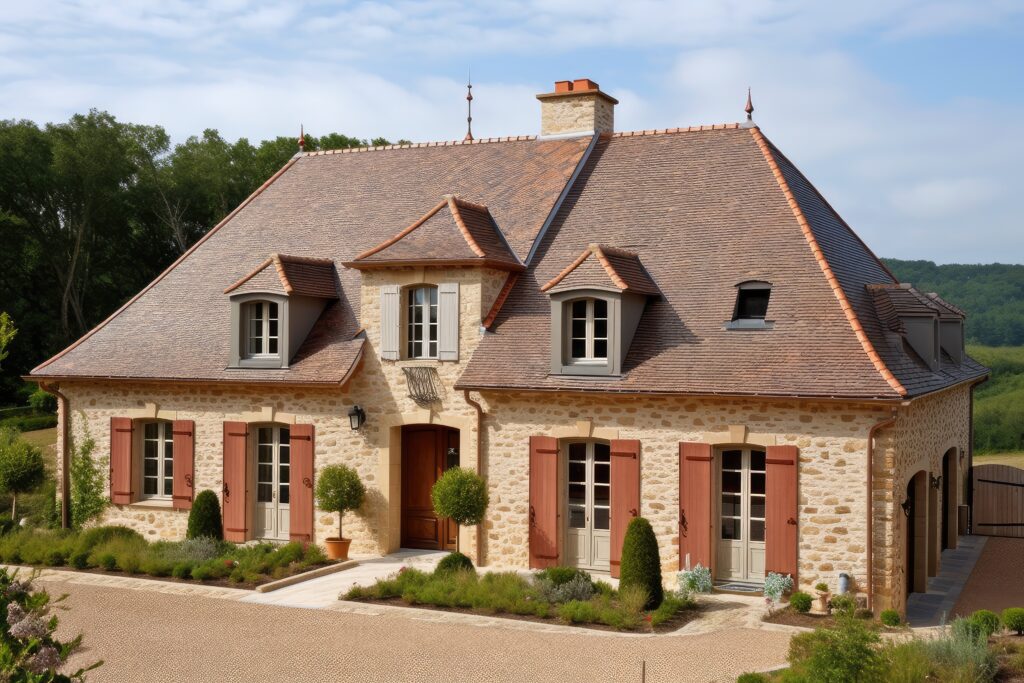
Have you ever admired the timeless elegance of a classic French home? The mansard roof is a hallmark of European architecture that has captured hearts for centuries. Its distinct silhouette adds instant character to any property.
This design features four sloped sides that meet at a flat top. Creating extra living space in the attic offers a clever solution for growing families. It is not just about looks; it is about maximizing your home’s potential.
As we look toward 2026, this style is seeing a massive resurgence in the United States. Modern homeowners are choosing this mansard roof to blend historic charm with contemporary efficiency. Whether you want to increase your property value or simply love the aesthetic, this guide will help you decide if it is the right fit for your next renovation project.
Defining the Mansard Roof and Its Architectural Roots
Originating in France, the mansard roof has evolved, influencing numerous building designs. This roofing style, named after the French architect François Mansart, has a distinct history and set of characteristics that have contributed to its enduring popularity.
The French Connection: Historical Origins
The mansard roof is deeply rooted in French architecture, dating back to the 17th century. François Mansart, a renowned architect, is credited with popularizing this style, although he did not invent it. The design gained widespread acceptance during the Second Empire period in France, becoming a hallmark of the architectural style of that era.
The historical significance of the mansard roof lies in its ability to add additional living space within the roof structure without altering the building’s exterior profile. This innovative design allowed for more spacious interiors, making it an attractive feature for homeowners and architects alike.
Key Structural Characteristics
A mansard roof is characterized by its double slope on all four sides. The lower slope is much steeper than the upper slope, which is often nearly flat. This unique design provides several benefits, including additional living space and a distinctive aesthetic appeal.
Key features of a mansard roof include:
- A double slope on all four sides of the roof
- A steep lower slope that provides additional interior space
- An upper slope that is less steep, often with a more subtle pitch
- The ability to incorporate dormer windows for added natural light and ventilation
These characteristics not only define the mansard roof’s appearance but also contribute to its functionality and appeal.
Common Types of Mansard Roof Designs
The versatility of mansard roofs is evident in their various designs, which cater to different architectural needs and preferences. Mansard roofs are not a one-size-fits-all solution; instead, they come in several distinct styles, each with its unique characteristics and advantages.
Straight-Slope Mansard
The straight-slope mansard roof is one of the most common types, characterized by its straightforward, uncurved slope. This design is simple to construct and provides a clean, minimalist look that can complement a variety of building styles.
Convex Mansard
In contrast, the convex mansard roof features a curved slope that bulges outward. This design adds a touch of elegance and sophistication to a building’s exterior. The convex shape can also provide additional storage space in the attic area.
Concave Mansard
The concave mansard roof, with its inward-curving slope, offers a unique aesthetic that can add visual interest to a building’s facade. This design is less common but can be used to create a distinctive architectural statement.
The Gambrel Variation
While not a traditional mansard roof, the gambrel variation shares some similarities. It features two slopes on each side, with the lower slope being steeper than the upper. This design is often associated with barn-style buildings but can be adapted for residential use, offering ample storage space and a rustic charm.
To better understand the differences between these designs, consider the following comparison:
| Design Type | Key Features | Aesthetic Appeal |
|---|---|---|
| Straight-Slope | Simple construction, clean lines | Minimalist, modern |
| Convex | Curved slope, additional storage | Elegant, sophisticated |
| Concave | Inward-curving slope, unique | Distinctive, visually interesting |
| Gambrel Variation | Two slopes, ample storage | Rustic, charming |
Evaluating the Benefits and Disadvantages
Evaluating the pros and cons of a mansard roof is essential for making an informed decision. This unique roofing style offers several advantages, but it also comes with its own set of challenges.
Advantages of Choosing a Mansard Roof
Mansard roofs are known for their versatility and aesthetic appeal. They offer several benefits that make them an attractive choice for homeowners.
Maximizing Attic Living Space
One of the primary advantages of a mansard roof is its ability to maximize attic living space. The design allows for a more spacious attic area, which can be converted into additional living quarters, storage, or even rental units. This is particularly beneficial for homes where space is limited.
Maximizing attic space can significantly increase the value of a property. It provides homeowners with the flexibility to expand their living areas without the need for extensive renovations or extensions.
Aesthetic Appeal and Curb Value
Mansard roofs are also prized for their aesthetic appeal. They add a touch of elegance and sophistication to a home’s exterior, enhancing its curb value. The unique design can make a house stand out in the neighborhood, giving it a distinctive character.
The aesthetic appeal of a mansard roof can be further enhanced with the right architectural style and exterior finishes. Homeowners can choose from a variety of materials and designs to match their home’s overall aesthetic.
Potential Drawbacks to Consider
While mansard roofs offer several benefits, they also have some drawbacks. Understanding these challenges is crucial for making an informed decision.
Maintenance and Drainage Challenges
One of the potential downsides of a mansard roof is its maintenance requirements. The complex design can make it more challenging to inspect and repair. Additionally, the multiple slopes can create drainage issues if not properly managed.
To mitigate these issues, it’s essential to ensure that the roof is designed with adequate drainage systems. Regular maintenance is also crucial to prevent water damage and other related problems.
Complexity of Construction
The construction of a mansard roof is more complex compared to other roofing styles. It requires specialized labor and materials, which can increase the upfront costs. The complexity of the design also means that any repairs or modifications can be more complicated and expensive.
Despite the challenges, many homeowners find that the benefits of a mansard roof outweigh the drawbacks. With proper planning and maintenance, a mansard roof can be a valuable and attractive addition to a home.
Climate Suitability and Weather Considerations
When considering a mansard roof, understanding its performance in various climates is crucial. The mansard roof’s design and functionality make it more or less suitable for different weather conditions.
The unique shape of a mansard roof allows it to handle certain climatic conditions effectively. However, its performance can vary significantly depending on the specific design and materials used.
Performance in Heavy Snowfall Regions
In areas that experience heavy snowfall, the mansard roof’s steep slope can be advantageous. The steep pitch allows snow to slide off more easily, reducing the weight on the roof and minimizing the risk of snow accumulation.
Key benefits in snowy climates include:
- Reduced risk of ice dams forming at the roof’s edge
- Less weight on the roof structure due to snow sliding off
- Potential for reduced maintenance related to snow removal
Managing Water Runoff in Rainy Climates
Mansard roofs can also be effective in managing water runoff in rainy climates. The design allows for a significant amount of water to be directed away from the building.
Effective water management strategies include:
- Properly designed gutters and downspouts
- Waterproofing measures to prevent leaks
- Regular maintenance to ensure the roof remains clear of debris
Why Moderate Climates Are Ideal
While mansard roofs can be adapted to various climates, they are particularly well-suited to moderate climates. These regions offer a balance between the need for snow shedding and water management without the extreme conditions found in other climates.
In moderate climates, mansard roofs can:
- Provide a durable and long-lasting roofing solution
- Offer aesthetic appeal with their unique design
- Require less extreme weather-related maintenance
Latest Mansard Roof Trends in the USA for 2026
The latest trends in mansard roof designs for 2026 are redefining the architectural identity of homes across the United States. This year, homeowners and architects are focusing on innovative materials, sustainable practices, and minimalist aesthetics to create unique and functional mansard roofs.
The integration of modern materials is a significant trend in 2026. Homeowners are opting for materials that not only enhance the visual appeal of their mansard roofs but also provide durability and low maintenance.
Modern Material Integration
Modern materials such as metal, solar tiles, and advanced synthetic slates are gaining popularity. These materials offer a blend of style, durability, and energy efficiency.
- Metal roofing is being used for its sleek appearance and ability to withstand harsh weather conditions.
- Solar tiles are becoming increasingly popular for their ability to generate electricity while serving as a roofing material.
- Advanced synthetic slates offer the look of natural slate without the high maintenance costs.
Sustainable Roofing and Energy Efficiency
Sustainability is a key consideration in 2026. Homeowners are looking for roofing solutions that reduce their environmental footprint.
Some of the sustainable practices include:
- Using recycled materials for roofing.
- Incorporating green roofing technologies, such as green roofs and living walls.
- Opting for energy-efficient roofing materials that reduce heat absorption and energy consumption.
Minimalist Aesthetic Shifts
The minimalist aesthetic is gaining traction in mansard roof designs. This trend involves simplifying the design and focusing on clean lines and minimal ornamentation.
Key features of minimalist mansard roofs include:
| Feature | Description | Benefits | |||
|---|---|---|---|---|---|
| Simple Silhouette | Clean and uncluttered design | Enhances visual appeal, reduces maintenance | |||
| Monochromatic Color Schemes | Single-color palette for the roof and exterior | Creates a cohesive look, adds to the minimalist aesthetic | Reduced Ornamentation | Minimal use of decorative elements | Simplifies maintenance, emphasizes functionality |
By embracing these trends, homeowners can create mansard roofs that are not only visually appealing but also sustainable and functional.
Cost Analysis and Budgeting for Your Project
The cost analysis of a mansard roof is a critical step in the planning process, influencing both the initial investment and long-term expenses. A comprehensive understanding of the costs involved helps homeowners and builders budget effectively, avoiding unexpected financial burdens down the line.
Factors Influencing Total Installation Costs
Several factors contribute to the total cost of installing a mansard roof. Size and complexity are primary considerations, as larger and more intricate designs require more materials and labor. The type of materials chosen also significantly impacts the cost, with options ranging from affordable asphalt shingles to more expensive slate or metal roofing.
Other factors include:
- Local labor costs, which can vary significantly depending on the region.
- Permitting and inspection fees, which are necessary for ensuring compliance with local building codes.
- Removal of the existing roof, if applicable, adding to the overall expense.
Comparing Material Expenses
Material costs are a significant portion of the total installation expense. Here’s a comparison of common materials used for mansard roofs:
| Material | Cost per Square Foot | Durability (Years) |
|---|---|---|
| Asphalt Shingles | $3 – $5 | 20 – 30 |
| Metal Roofing | $7 – $12 | 40 – 50 |
| Slate Tiles | $10 – $20 | 50 – 100 |
While asphalt shingles are the most cost-effective upfront, metal roofing and slate tiles offer longer durability, potentially saving money in the long run through reduced maintenance and replacement costs.
Long-Term Maintenance Budgeting
Maintenance is a crucial aspect of mansard roof ownership, with costs varying based on the material chosen and the roof’s complexity. Regular inspections and repairs can prevent more costly issues from arising. Budgeting for maintenance involves considering the cost of materials and labor for potential repairs, as well as the frequency of these tasks.
For example, metal roofs require less frequent maintenance compared to asphalt shingles but may incur higher upfront costs. Factoring in the long-term maintenance costs helps in making an informed decision that aligns with your budget and preferences.
Conclusion
A mansard roof can be a stunning addition to any building, offering a unique blend of style, functionality, and historical charm. As we’ve explored throughout this article, the pros and cons of a mansard roof are closely tied to factors such as climate, budget, and personal preference.
When deciding whether to opt for a mansard roof, consider the advantages, including additional living space and aesthetic appeal, against potential drawbacks like higher costs and maintenance needs. The latest trends in mansard roof designs, including modern material integration and sustainable roofing, can also influence your decision.
Ultimately, a mansard roof is a great choice for those seeking a distinctive, versatile roofing solution that can enhance the character and value of their property. By weighing the discussed factors and considering your specific needs, you can make an informed decision about whether a mansard roof is the right fit for your project, bringing you to a satisfying mansard roof conclusion.