Are you considering a flat roofing system for your home but unsure if it’s the right choice? With the increasing popularity of modern flat roofs, many homeowners are drawn to their sleek, contemporary look. However, the decision to install a flat roof involves more than just aesthetics.
Homeowners must consider various factors, including climate, maintenance requirements, and cost. A flat roof can offer unique benefits, such as additional outdoor space, but it also presents distinct challenges, like potential water pooling issues.
Key Takeaways
- Understand the pros and cons of choosing a flat roofing system.
- Learn about the cost factors involved in installing and maintaining a flat roof.
- Discover how climate and local building codes impact your roofing decision.
- Explore the potential benefits of a flat roof, including additional outdoor space.
- Consider the importance of proper installation and maintenance.
What Makes a Flat Roof Different
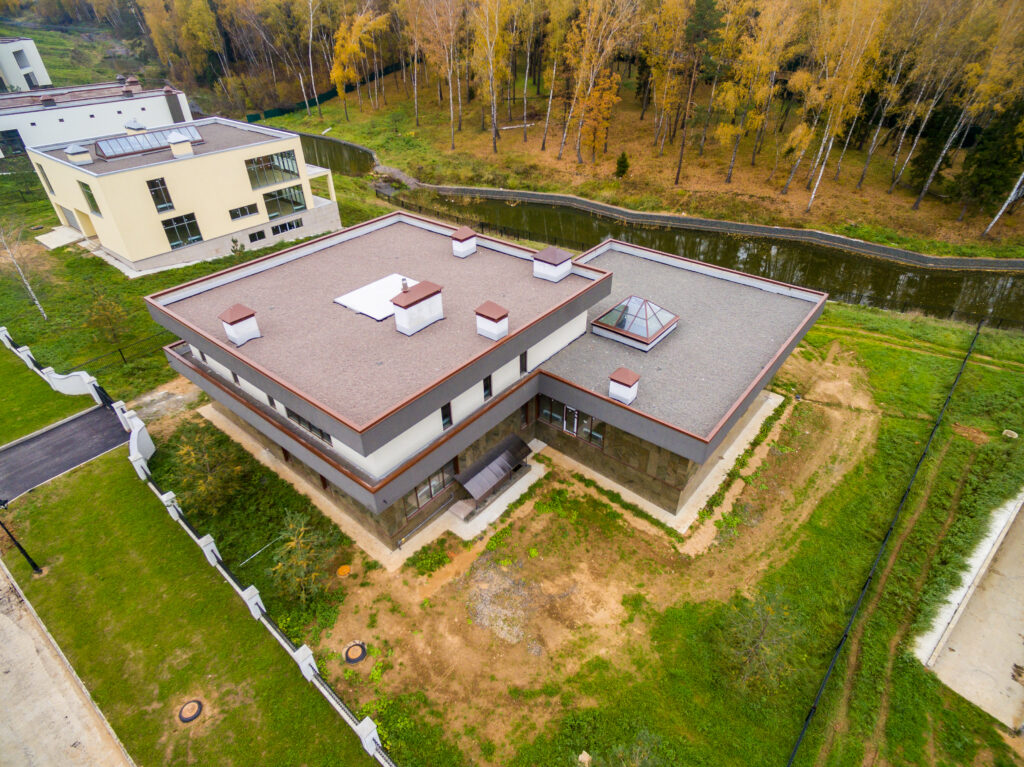
The concept of a flat roof is often misunderstood, as it’s not entirely flat. In reality, a slight slope is incorporated into the design to facilitate water drainage.
The True Definition of “Flat” Roofing
A flat roof is characterized by its minimal slope, typically less than 10 degrees. This design allows for easy installation of various flat roof materials, such as EPDM rubber membranes and TPO single-ply membranes.
Popular Architectural Styles Using Flat Roofs
Flat roofs are commonly associated with modern and contemporary architectural styles. They are particularly prevalent in:
- Industrial chic designs
- Mid-century modern homes
- Minimalist architecture
Where Flat Roofs Shine in Modern Home Design
Flat roofs offer numerous benefits in modern home design, including the potential for additional outdoor living spaces and the integration of solar panel systems. They also provide a sleek, contemporary aesthetic that is highly sought after in urban and suburban areas.
By understanding the characteristics and applications of flat roof types, homeowners can make informed decisions about their roofing needs.
Popular Flat Roof Materials and Systems
Understanding the various flat roof materials and systems is essential for homeowners looking to install or replace a flat roof. The choice of material significantly impacts the roof’s durability, maintenance needs, and overall cost.
Built-Up Roof (BUR) Systems
Built-Up Roof (BUR) systems consist of multiple layers of roofing felt or fabric, alternated with layers of bitumen. This traditional method provides a robust and durable roofing solution. BUR systems are known for their ability to withstand heavy foot traffic and extreme weather conditions, making them a popular choice for commercial buildings, though they are also used in residential settings.
Modified Bitumen Roofing
Modified bitumen roofing is an evolution of the BUR system, incorporating polymer modifiers to enhance its performance. It is known for its flexibility and resistance to weathering. This system is particularly effective in colder climates where flexibility is crucial to withstand freezing temperatures.
EPDM Rubber Membranes
EPDM (Ethylene Propylene Diene Monomer) rubber membranes are a popular choice for flat roofs due to their durability and resistance to UV radiation. EPDM is highly flexible and can accommodate building movements, making it suitable for a wide range of applications.
TPO and PVC Single-Ply Membranes
TPO (Thermoplastic Polyolefin) and PVC (Polyvinyl Chloride) single-ply membranes are known for their energy efficiency and resistance to chemicals and UV light. These membranes are heat-welded at the seams, creating a strong and watertight seal. They are ideal for flat roof installations where energy efficiency is a priority.
Spray Polyurethane Foam (SPF)
Spray Polyurethane Foam (SPF) is a versatile roofing system that provides excellent insulation and can be coated with various protective layers. SPF expands on application, filling gaps and creating a seamless roof surface. It’s particularly beneficial for complex roof geometries.
Each of these flat roof systems has its advantages and is suited to different building requirements and climates. When considering a flat roof installation, it’s crucial to evaluate these options in the context of your specific needs and local building codes.
The Pros of Choosing a Flat Roof for Your Home
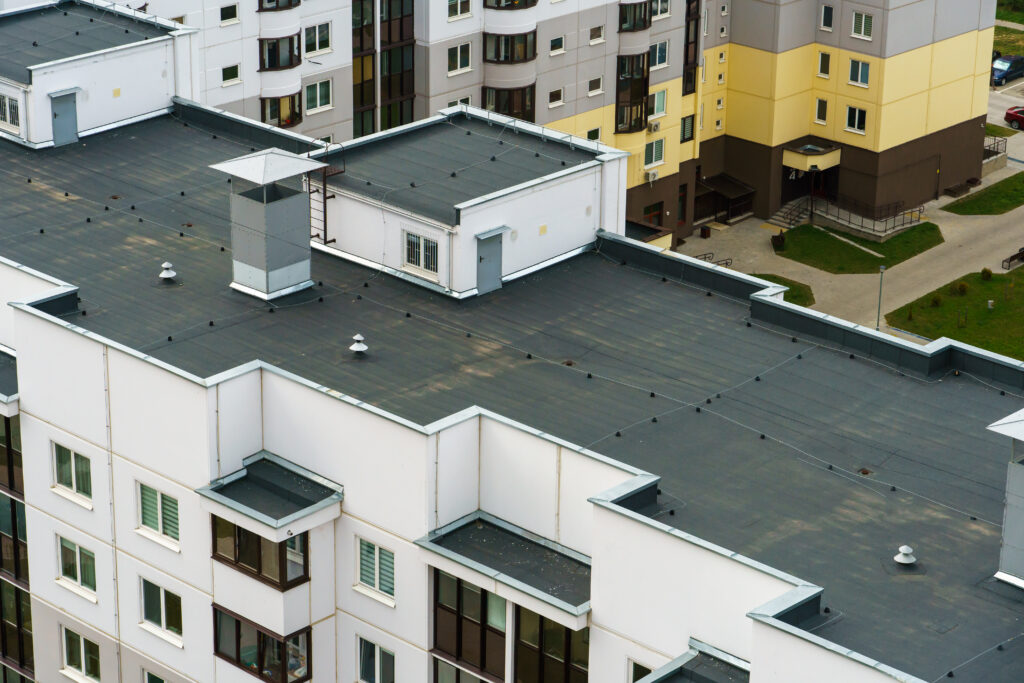
Choosing the right roofing system for your home involves weighing the pros and cons, with flat roofs offering several compelling benefits. One of the primary advantages of a flat roof is its versatility and the range of benefits it provides to homeowners.
Lower Initial Installation Costs
One of the most significant advantages of a flat roof is its lower initial installation cost compared to traditional pitched roofs. The simpler design and fewer materials required for a flat roof result in cost savings that can be beneficial for homeowners on a budget.
Creating Usable Outdoor Living Space
Flat roofs provide an opportunity to create additional living space, such as rooftop gardens, terraces, or even outdoor recreational areas. This can significantly enhance the livability and enjoyment of your home, offering a unique space to relax or entertain.
Energy Efficiency and Solar Potential
A flat roof can be an ideal platform for installing solar panels, contributing to energy efficiency and potentially reducing your utility bills. The flat surface allows for optimal positioning of solar panels, maximizing their effectiveness.
Simplified Access for Inspections
Inspecting and maintaining a flat roof is generally easier than a pitched roof, as it provides a safe and stable surface for workers. This simplified access can lead to more efficient maintenance and potentially longer roof lifespan.
Contemporary Aesthetic Appeal
Flat roofs are often associated with modern and contemporary architectural styles, offering a sleek and sophisticated look that can enhance your home’s curb appeal. The clean lines and minimalist design of a flat roof can be a significant aesthetic advantage.
Potential Drawbacks of Flat Roof Systems
Before opting for a flat roof, it’s essential to understand the challenges associated with this type of roofing system. While flat roofs have their advantages, there are several potential drawbacks to consider.
Drainage Challenges and Ponding Water
One of the primary concerns with flat roofs is their tendency to accumulate water, leading to ponding. This can result in leaks and structural damage over time if not properly addressed through regular flat roof maintenance.
Shorter Lifespan Than Some Alternatives
Flat roofs generally have a shorter lifespan compared to pitched roofs. The average lifespan of a flat roof can range from 10 to 20 years, depending on the materials used and the quality of installation.
Snow Load and Extreme Weather Concerns
Flat roofs are more susceptible to snow load, which can cause significant stress on the roof structure. Additionally, extreme weather conditions, such as heavy rainfall or intense sunlight, can accelerate wear and tear, necessitating timely flat roof repair.
Higher Long-Term Maintenance Needs
While the initial installation cost of a flat roof might be lower, the long-term maintenance needs can be higher. Regular inspections and maintenance are crucial to extend the lifespan of the roof and prevent costly repairs.
Flat Roof vs. Pitched Roof: Which Is Right for You?
The choice between a flat roof and a pitched roof can significantly impact your home’s functionality and aesthetic appeal. Both types have their advantages and disadvantages, which are influenced by factors such as architectural style, regional climate, total lifetime costs, and property value.
Matching Your Home’s Architectural Style
Flat roofs are often associated with modern and contemporary architectural styles, offering a sleek, minimalist look. In contrast, pitched roofs are more traditional and can suit a variety of styles, from classic to rustic.
Regional Climate Considerations
In regions with heavy snowfall, pitched roofs are generally preferable as they allow snow to slide off more easily. Flat roofs, however, can be suitable for drier climates but require careful drainage design.
Comparing Total Lifetime Costs
While flat roofs may have lower initial installation costs, their potentially shorter lifespan and higher maintenance needs can affect their total lifetime cost. A comparative analysis is essential.
| Roof Type | Initial Cost | Lifespan | Maintenance Needs |
|---|---|---|---|
| Flat Roof | Lower | Shorter | Higher |
| Pitched Roof | Higher | Longer | Lower |
Impact on Property Value and Marketability
The type of roof can influence a home’s curb appeal and marketability. A well-designed roof that complements the home’s style can enhance its value.
Flat Roof Installation and Maintenance Essentials
Proper installation and regular maintenance are crucial for the longevity and performance of a flat roof. A well-installed flat roof can provide decades of service, but neglecting maintenance can lead to premature deterioration.
The Installation Process Explained
The installation of a flat roof involves several key steps. First, the existing roof surface must be thoroughly inspected and prepared. This may include removing old roofing materials, inspecting the structural integrity of the roof deck, and ensuring that the surface is clean and dry.
Key installation steps include:
- Inspecting and preparing the roof surface
- Installing a suitable underlayment
- Applying the chosen roofing membrane, such as EPDM or TPO, which are popular for their durability and waterproofing capabilities
- Ensuring proper drainage and flashing to prevent water accumulation
Professional vs. DIY Installation Considerations
While DIY installation might seem cost-effective, professional installation is generally recommended for flat roofs due to their complexity and the potential for costly mistakes. Professionals can ensure that the roof is installed correctly, adhering to local building codes and manufacturer specifications.
Essential Waterproofing Techniques
Waterproofing is critical for flat roofs. Techniques include applying a waterproof membrane, sealing seams, and ensuring that drains and flashing are properly installed. Regular inspections can help identify potential issues before they become major problems.
Common Repair Issues and Solutions
Common issues include leaks, ponding water, and membrane damage. Solutions involve identifying and repairing damaged areas, improving drainage, and applying protective coatings to extend the roof’s lifespan.
Seasonal Maintenance Checklist
Regular maintenance is essential. A seasonal checklist should include inspecting for damage, clearing debris, checking drainage, and ensuring that the roof remains watertight. This proactive approach can significantly extend the life of your flat roof.
Conclusion: Making the Right Roofing Decision
Choosing the right roofing system for your home is a significant decision that depends on various factors, including your home’s architectural style, local climate conditions, and personal preferences. Flat roofing offers a unique blend of modern aesthetics, potential energy efficiency, and usable outdoor space.
When deciding on a flat roof, it’s crucial to weigh the pros and cons, considering factors like drainage challenges, maintenance needs, and the potential for snow load issues. By understanding these elements and selecting the appropriate flat roofing material, you can enjoy the benefits of this roofing system.
Whether you opt for a flat roof or a traditional pitched roof, the key to a successful roofing project lies in proper installation, regular maintenance, and choosing a system that aligns with your long-term goals. By making an informed decision, you can ensure your home remains safe, energy-efficient, and visually appealing for years to come.