
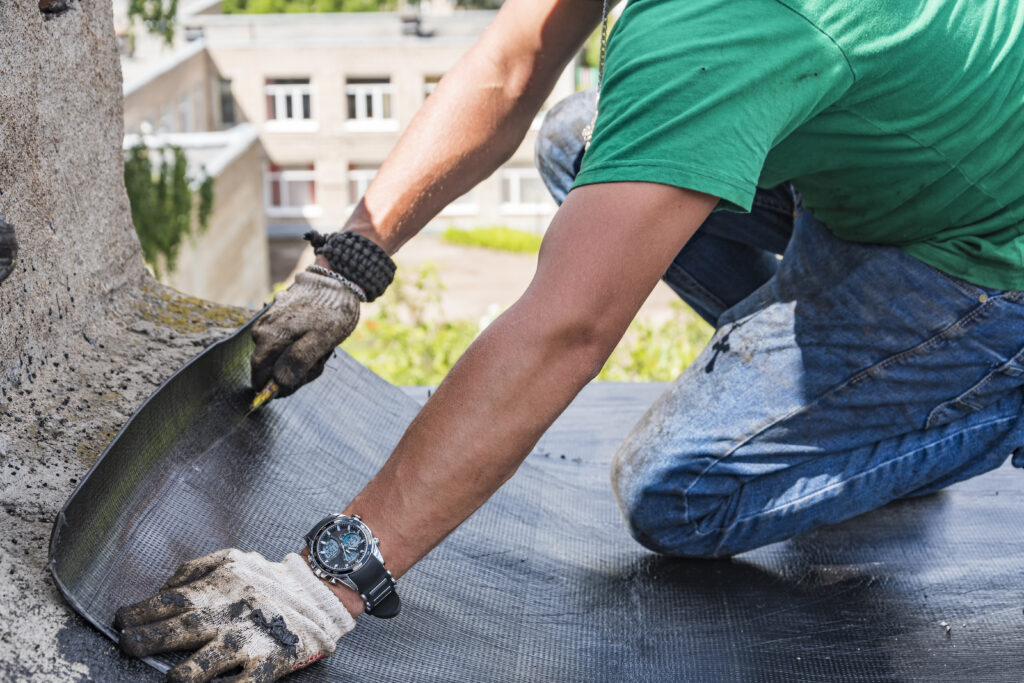
Can a hidden layer in your roof really make a difference in protecting your home? The answer lies in understanding the crucial role of roof underlayment. It’s the unsung hero that shields your house from various weather conditions, preventing damage and potential disasters.
A good roof underlayment acts as a barrier against water infiltration, high winds, and extreme temperatures. Without it, your home is exposed to risks that could lead to costly repairs or even safety hazards.
Key Takeaways
- Roof underlayment provides a critical layer of protection against weather elements.
- It helps prevent water damage and infiltration.
- A good underlayment can enhance the durability of your roof.
- It offers protection against high winds and extreme temperatures.
- Investing in quality underlayment can save you money in the long run.
The Critical Role of Roofing Underlayment
Roofing underlayment acts as a safeguard, shielding your home from potential water damage and structural issues. It is a layer installed between the roof deck and the roofing material, serving as an additional barrier against weather conditions.
What Is Roofing Underlayment?
Roofing underlayment is a protective layer designed to prevent water infiltration and damage to the roof structure. It is typically made from materials such as asphalt-saturated felt, synthetic materials, or rubberized asphalt, each offering different levels of protection and durability.
The primary function of roofing underlayment is to provide a secondary layer of defense against leaks and water damage, ensuring that your home remains safe and dry even in harsh weather conditions.
Why Your Home Needs This Protection Layer
A proper roofing underlayment is essential for maintaining the integrity of your roof. It protects against:
- Water damage from leaks and ice dams
- Wind-driven rain
- Structural damage to the roof deck
By installing a high-quality underlayment, homeowners can significantly reduce the risk of costly repairs and extend the lifespan of their roof.
The Consequences of Inadequate Underlayment
Failing to install or using inadequate roofing underlayment can lead to severe consequences, including:
| Consequence | Description |
|---|---|
| Water Damage | Leaks and water infiltration can damage ceilings, walls, and flooring. |
| Structural Issues | Prolonged exposure to water can weaken the roof structure, leading to costly repairs. |
| Reduced Roof Lifespan | Inadequate underlayment can significantly shorten the lifespan of your roof. |
Investing in a quality roofing underlayment is a critical step in protecting your home and ensuring the longevity of your roof.
Understanding the 4 Main Types of Roofing Underlayment
The choice of roofing underlayment can significantly impact a roof’s durability, and there are four main types to choose from. Each type has its unique characteristics, advantages, and disadvantages. Understanding these differences is crucial for homeowners to make an informed decision that suits their specific needs.
Asphalt-Saturated Felt Underlayment
Asphalt-saturated felt underlayment is one of the most traditional forms of roofing underlayment. It is made from felt paper saturated with asphalt, providing a layer of protection against water.
Pros and Cons
The advantages of asphalt-saturated felt underlayment include its cost-effectiveness and wide availability. However, it has some drawbacks, such as being prone to tearing and damage during installation.
Best Applications
This type of underlayment is best suited for roofs with a moderate slope and in areas that are not exposed to extreme weather conditions.
Synthetic Underlayment
Synthetic underlayment is made from plastic or rubber materials and is known for its durability and resistance to various weather conditions.
Pros and Cons
The benefits of synthetic underlayment include its high tear resistance and ability to withstand harsh weather. On the downside, it can be more expensive than asphalt-saturated felt.
Best Applications
Synthetic underlayment is ideal for roofs that are exposed to heavy rainfall, high winds, or extreme temperatures.
Rubberized Asphalt Underlayment
Rubberized asphalt underlayment is a premium product that offers superior waterproofing capabilities. It is particularly effective in areas prone to heavy rainfall or snow.
Pros and Cons
The main advantage of rubberized asphalt underlayment is its excellent waterproofing properties. However, it can be more challenging to install and is generally more expensive.
Best Applications
This underlayment is best used in areas with heavy precipitation or where additional waterproofing is necessary.
Self-Adhered Membrane Underlayment
Self-adhered membrane underlayment is a versatile option that sticks directly to the roof deck, providing a watertight seal.
Pros and Cons
The key benefits include its ease of installation and superior waterproofing. However, it may not be suitable for all types of roofing materials.
Best Applications
Self-adhered membrane underlayment is ideal for use in valleys, around chimneys, and other areas prone to water accumulation.
By understanding the different types of roofing underlayment and their respective advantages and disadvantages, homeowners can make a more informed decision when it comes to selecting the right underlayment for their roof.
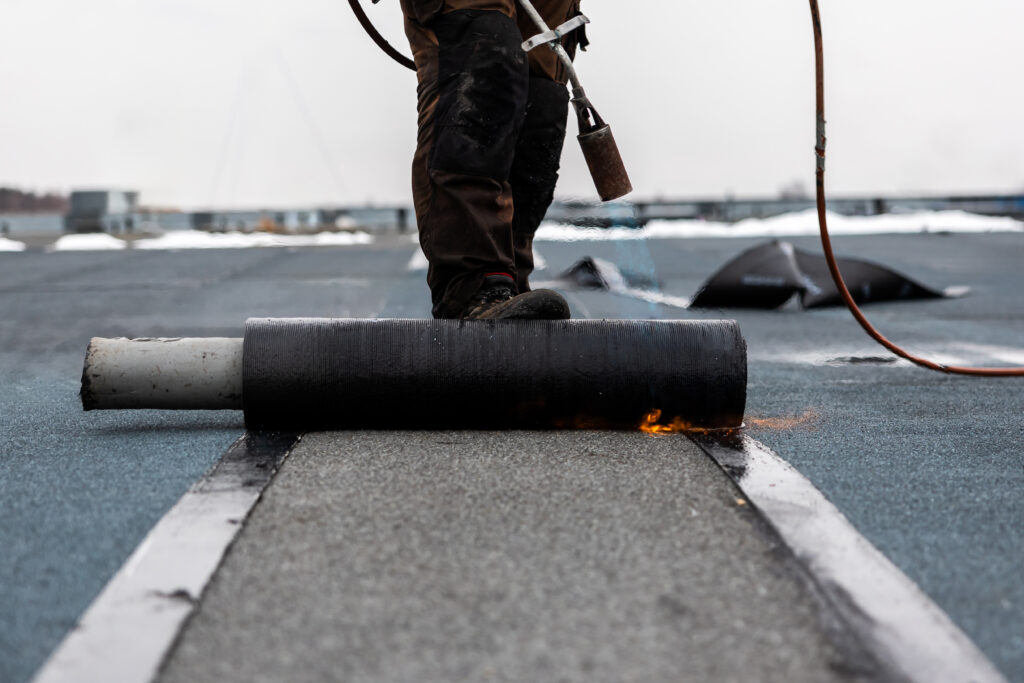
Comparing Underlayment Materials: Making the Right Choice
Understanding the differences between underlayment materials is key to ensuring your roof remains secure and functional. With various options available, each with its unique characteristics, selecting the right one can be challenging.
Cost Comparison Across Materials
The cost of underlayment materials varies significantly. Asphalt-saturated felt underlayment is generally the most affordable option, while rubberized asphalt underlayment tends to be more expensive. However, the initial cost is just one factor to consider.
Durability and Expected Lifespan
Durability is another critical factor. Synthetic underlayment, for instance, is known for its high durability and resistance to tears and punctures. In contrast, asphalt-saturated felt underlayment may not be as durable but is still a popular choice due to its cost-effectiveness.
Installation Speed and Complexity
The ease and speed of installation can also influence your decision. Synthetic underlayment is often lighter and easier to handle, making installation faster. On the other hand, rubberized asphalt underlayment, while offering excellent water resistance, can be more complex to install.
Water Resistance Capabilities
Water resistance is a crucial aspect of underlayment performance. Rubberized asphalt underlayment and self-adhered membrane underlayment are known for their superior water resistance capabilities, making them ideal for areas prone to heavy rainfall or snow.
Climate Considerations for Selection
Climate plays a significant role in choosing the right underlayment. For instance, in areas with high temperatures, underlayment materials that can withstand heat without degrading are essential. Conversely, in colder climates, resistance to ice and snow is critical.
| Material | Cost | Durability | Installation Speed | Water Resistance | Lifespan |
|---|---|---|---|---|---|
| Asphalt-Saturated Felt | Low | Moderate | Moderate | Fair | 15-30 years |
| Synthetic Underlayment | Moderate | High | Fast | Good | 20-50 years |
| Rubberized Asphalt | High | High | Slow | Excellent | 30+ years |
| Self-Adhered Membrane | High | High | Moderate | Excellent | 30+ years |
By considering these factors and understanding the characteristics of each underlayment material, homeowners can make an informed decision that balances cost, durability, and performance.
Installation Best Practices and Replacement Costs
Proper installation of roofing underlayment is crucial for ensuring the longevity and integrity of your roof. A well-installed underlayment protects your home from water damage, reduces energy costs, and enhances overall roofing performance.
Average Replacement and Installation Costs
The cost of installing or replacing roofing underlayment varies based on factors like material type, roof size, and labor costs. On average, homeowners can expect to pay between $1.50 and $3.50 per square foot for underlayment materials, with labor costs adding another $1 to $3 per square foot. Thus, the total cost for a typical roof can range from $3,000 to $7,000 or more, depending on the specifics of the project.
Professional Installation vs. DIY Considerations
While DIY installation can be cost-effective, professional installation is often recommended due to the complexity and importance of the task. Professionals can ensure that the underlayment is installed correctly, minimizing the risk of future leaks and other issues. However, for those with experience and the right tools, a DIY approach can save on labor costs.
Essential Installation Techniques
Effective installation of roofing underlayment involves several key techniques. These include:
- Proper Overlap Methods: Ensuring that underlayment sheets overlap sufficiently to prevent water intrusion.
- Fastening Techniques: Using the correct fasteners and spacing them appropriately to secure the underlayment.
- Weather Considerations During Installation: Avoiding installation during adverse weather conditions to prevent damage to the underlayment.
Proper Overlap Methods
Overlap methods are critical to preventing water from seeping under the underlayment. A minimum overlap of 6 inches is typically recommended, but this can vary based on the manufacturer’s instructions and local building codes.
Fastening Techniques
The choice of fasteners and their placement is crucial for securing the underlayment. Typically, roofing nails or staples are used, with the spacing determined by the manufacturer’s guidelines and local regulations.
Weather Considerations During Installation
Installing underlayment in wet or windy conditions can compromise its effectiveness. It’s essential to check the weather forecast before starting the installation and to have a plan in place for protecting the underlayment from the elements.
Common Installation Mistakes to Avoid
Avoiding common mistakes during installation is key to a successful roofing project. Some of the most frequent errors include inadequate overlap, insufficient fastening, and ignoring weather conditions. Being aware of these potential pitfalls can help ensure a durable and effective roofing underlayment.
Protecting Your Investment with Quality Underlayment
Choosing the right roofing underlayment is crucial for protecting your home and investment. As discussed, quality roofing underlayment plays a vital role in safeguarding your roof against various environmental factors, including water damage and extreme weather conditions.
By understanding the different types of underlayment materials and their benefits, homeowners can make informed decisions that suit their specific needs. Whether it’s asphalt-saturated felt, synthetic, rubberized asphalt, or self-adhered membrane underlayment, each type offers unique advantages in terms of durability, cost, and installation complexity.
Investing in quality roofing underlayment not only enhances the lifespan of your roof but also provides peace of mind. For those considering roof services, including installation or replacement, it’s essential to consult with professionals who can guide you through the process and ensure the job is done well. Protecting your investment starts with the right underlayment; consider reaching out to our roof services team for expert advice and assistance.