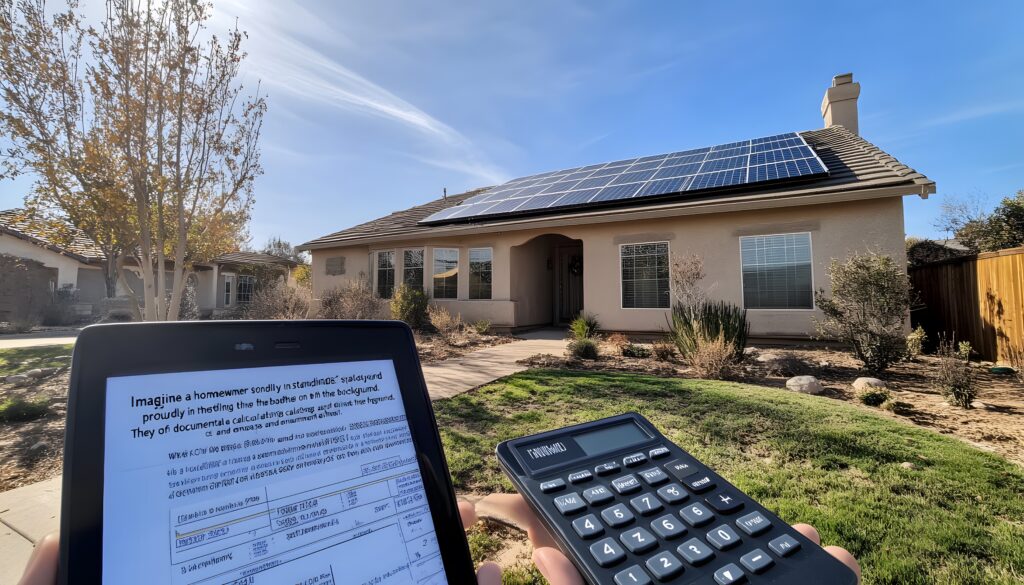
Renewable energy is a smart choice for protecting the environment and your finances. Although the installation cost is high, modern solar financing has transformed solar panels into an affordable home improvement. By paying for the system over time, you enjoy a better lifestyle and experience financial benefits almost immediately.
You don’t need high savings to start. You can obtain solar loans without a large upfront payment. This guide explains how solar panel financing works, the loan options available, and how you can trade unpredictable utility bills for a steady, low-cost solar payment.
The Path to Ownership
Solar financing helps you purchase and install a solar system in your home. Unlike leasing and Power Purchase Agreements (PPAs), a loan ensures that you will own the solar equipment from the very first day. This means the long-term value and equity of the system stay with you rather than a third-party utility company provider.
How You Save
The lenders cover the costs of the solar panels, inverters, and installation, which you then pay over a set term, usually 5 to 20 years. In many cases, monthly loan payments can be comparable to or lower than previous electricity bills, resulting in immediate savings for homeowners.
The electricity produced by your panels replaces the grid’s costly electricity. You may even be eligible for the 30% Federal Solar Investment Tax Credit (ITC), subject to IRS rules and individual tax circumstances. As utility rates tend to rise over time, a fixed solar loan payment can help protect homeowners from future high electricity prices.
Best Ways to Fund Your Panels
There are multiple solar financing choices. They vary depending on your credit and financial goals.
1. Secure Your Lowest Rate
Secured loans involve mortgages. This means that your house is used as collateral in exchange for the lowest rates and longer return times. They are ideal for those who own a house with a considerable amount of equity.
Furthermore, if the loan is used to improve the property, the interest may be tax-deductible, making this a safe long-term decision for existing homeowners.
2. Fast and Flexible Unsecured Loans
Unsecured personal loans do not demand any collateral which means quicker setup without the fear of losing your home. Many lenders offer $0-down deals with a promotional interest-free period for 12 to 18 months. This allows you to generate electricity and collect tax credits before your full payments begin.
3. Government-Backed Power Saving Options
The Federal Housing Administration (FHA) offers loans for energy-efficient upgrades specifically to homeowners. These programs are designed for homeowners who may have difficulty qualifying for conventional bank loans but still want access to lower rates. The government offers more relaxed rules to homeowners, enabling more people to upgrade their houses by choosing renewable energy.
4. Financing Feature Breakdown
- Secured Loans come with the lowest interest rates and the longest processing times, but they are risky because your house is being used as collateral.
- Unsecured Loans have the fastest approvals, and there is no risk to your house. However, they are costly in terms of interest rates.
- FHA PowerSaver is a balanced alternative with low to moderate rates and risk, though processing speed is moderate.
All three options ensure you maintain full ownership of your solar energy system.
5. Real Savings vs Upfront Costs
A typical home solar system costs between $15,000 and $30,000. This turnkey price covers hardware, permits, and labor for a system designed to last 25 years or more. Over its lifespan, the cost of the power produced is significantly lower than standard utility rates.
The 30% Federal Tax Credit can reduce a $25,000 investment to $17,500. Financing this over 15 years results in a manageable monthly payment. Unlike leasing, ownership provides total energy independence, eventually leading to zero-cost electricity once the loan is paid off.
Simple Qualification Check
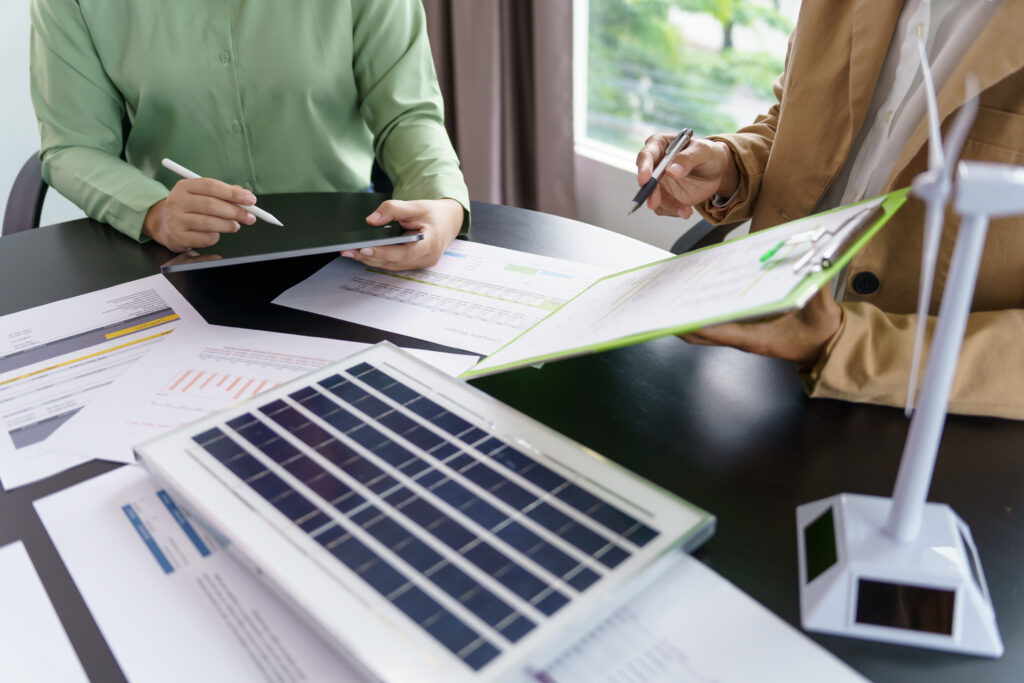
To qualify for $0-down options for solar financing, lenders generally look for:
- Good Credit History: Most lenders need a score of 650 or higher, though some go as low as 600. A better score usually means a lower interest rate.
- Balanced Income: Lenders check that your monthly debts do not take up more than half of your pre-tax income.
- Property Ownership: You have to be the legal owner of the home. Solar loans are generally not available for renters.
- Solid Roof Condition: Lenders want to ensure your roof is in good shape. Many installers can include a roof replacement in your solar loan, ensuring your roof lasts as long as your new panels.
Get Started in Four Steps
Getting solar financing is a straightforward process built for speed.
Launch Your Project
- Get a Custom Quote: Consult an expert to get a solar plan tailored to your home and energy use.
- Pick Your Lender: Pick between your local bank, a credit union, or a specialized green energy lender for solar financing.
- Submit Simple Paperwork: You will just need to show proof of income, a utility bill, and proof of home ownership.
- Get Approved Fast: Some lenders offer fast online approvals, allowing homeowners to proceed with their solar installation more quickly.
Expert Help for Homeowners
A good starting point is talking to a solar consultant. Most experienced installers work with the top solar lenders and can help you compare $0-down options. They usually handle the complicated paperwork for you, making the whole process from application to installation as easy as possible.
Why Solar Financing is Better Than Leasing
Choosing a loan has some big benefits over a lease:
- Your monthly energy savings are often bigger than your loan payment from the very first month.
- Solar panels can increase your home’s value on average. When you own the system, that extra value stays with you.
- You keep the 30% tax credit. Under a lease, the solar company keeps that money for itself.
- Utility rates go up all the time, but your loan payment stays the same, protecting you from future price hikes.
- As the owner, you choose the equipment and decide on any maintenance or future upgrades.
- You start lowering your carbon footprint the moment the system is turned on.
Conclusion
Going solar should not be a financial burden. With modern solar financing, moving toward energy independence is easier than ever. By using $0-down solar panel financing, you can lock in low rates, boost your home’s value, and take advantage of federal tax breaks while keeping your savings in the bank.
Savings, loan terms, and tax benefits vary based on location, credit profile, utility rates, and system size. At Go Roof Guys, we are your partners in energy independence. If you are ready to see how much you can save with a $0-down solar loan, contact us today for a free consultation.