When getting a new roof installation or replacement, homeowners usually focus on materials like shingles or the expensive cost of labour, but before we dive into technical details, one crucial element must come first: the type of roof.
The shape, slope, and structure of your roof play a pivotal role in your home’s overall look, including weather resistance and long-term durability.
If you are looking for a full roof replacement, building a new home in Louisville, KY, or just being curious about architectural options, it’s important to know the types of roofs that you commonly see in residential construction.
Let’s break down the 12 most commonly seen roof styles, what makes them so distinctive, and why some of them work better than others, depending on various climatic changes and on your home design.
1. Gable Roof
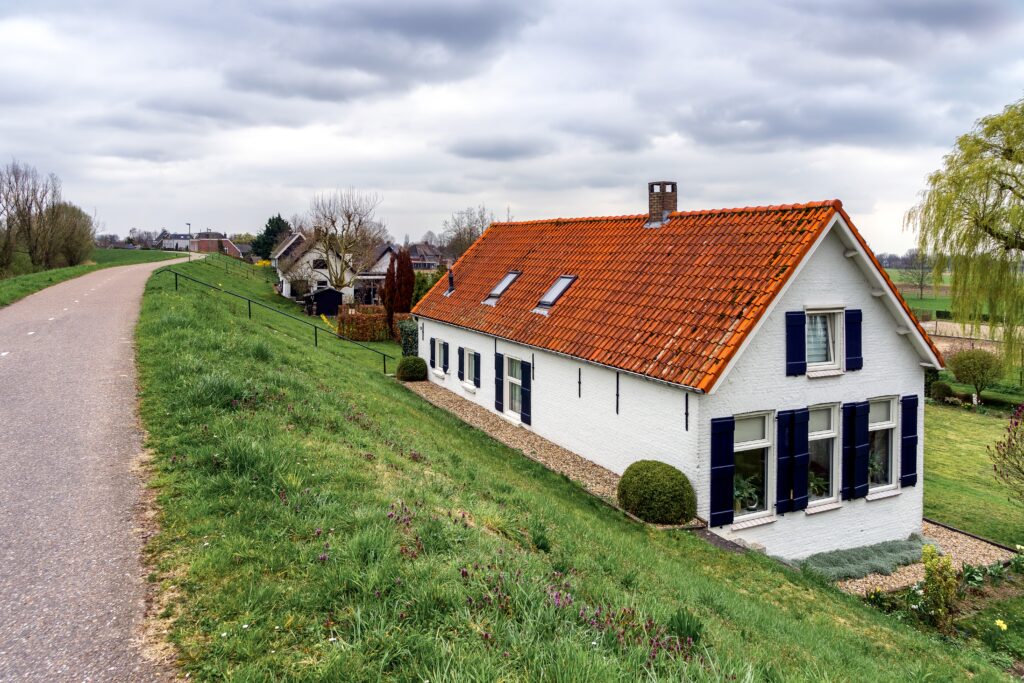
The gable roof is undoubtedly the most classic and familiar roof style that is known all across American residential construction.
Known by the iconic two sloping sides that perfectly meet at a central ridge, it forms an iconic triangular profile that provides both a symmetrical and a practical drainage in Louisville.
This helps as Louisville is known for a mix of snow in winter and thunderstorms in spring, the gable’s steep slope is optimal for shedding water and snow quickly, preventing it from building up and water pooling that can cause further leaks.
Best For:
- Areas with heavy rain or snow
- Traditional and modern home designs
Pros:
- Cost-effective to build
- Easy to maintain
- Allows for excellent ventilation
Cons:
- Vulnerable to high winds if not properly braced
2. Hip Roof
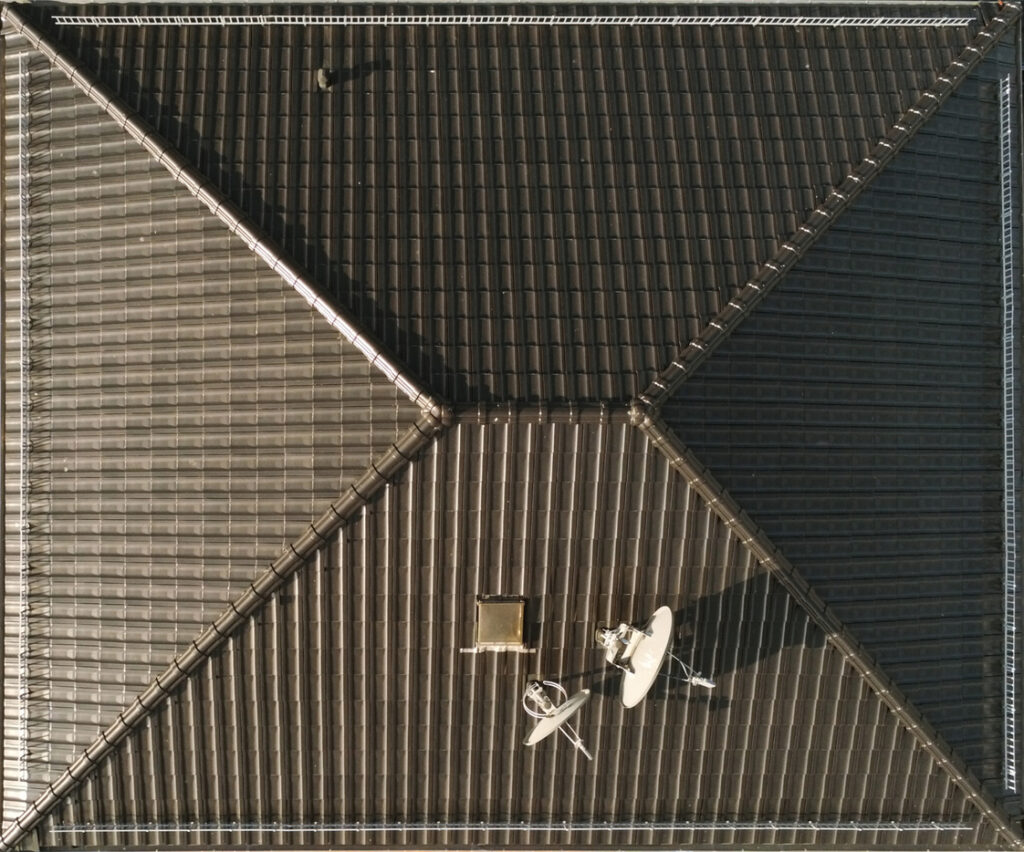
A hip roof features slopes on all four sides that meet at a certain ridge or at a point, depending on the structure’s integrity and design.
Unlike the gable, there are no vertical ends, making it seem more aerodynamic and better suited to areas with high wind pressure from severe storms in Kentucky. Because it slopes in all directions, it’s more stable and efficient at shedding rainwater from every angle, something every Louisville homeowner looks for when aiming to maximize weather resistance and durability.
Best For:
- High-wind or hurricane-prone areas
- Craftsman, ranch, or colonial-style homes
Pros:
- Very stable and sturdy
- Good drainage
- Offers shade on all sides of the house
Cons:
- More complex and expensive to build
The only disadvantage? Hip roofs need more materials and a more complex structure, which increases installation time and cost; still, they are one of the most common and popular roof types for new builds in upscale suburbs located around Louisville, such as Norton Commons or Prospect.
3. Flat Roof
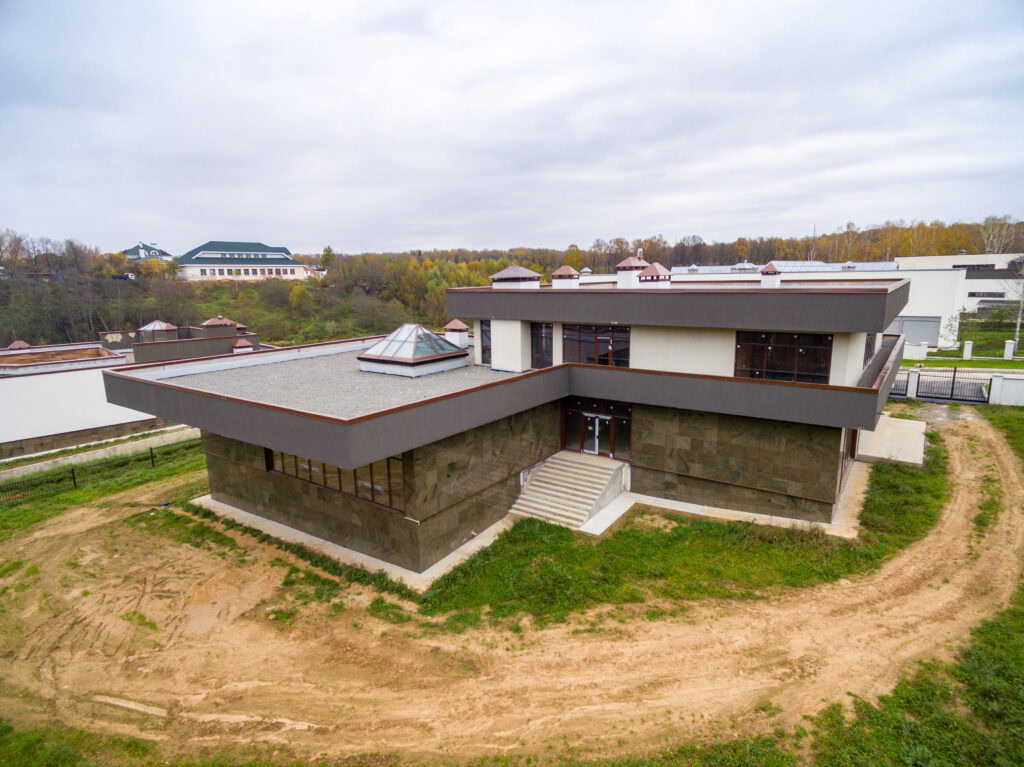
Typically seen on offices or on commercial buildings, flat roofs have massively gained popularity in modern residential architecture for having a sleek and contemporary look. Despite their name, flat roofs have the slightest of pitches, standard at ¼ per foot, allowing for maximum drainage. In various urban areas such as downtown, flat roofs provide much more usable space for rooftop gardens, solar panels, or to store HVAC equipment, making them a much more functional solution in tighter city lots. But, their poor drainage is a common problem to deal with, especially during the rainy season, flat roofs are more prone to cause leakage.
Best For:
- Modern and industrial homes
- Commercial properties
- Urban Louisville homes with limited space
Pros:
- Great for rooftop patios or solar panels
- Easy to construct and inspect
Cons:
- Poor drainage, prone to leaks
- Shorter lifespan unless properly maintained
4. Shed Roof
The shed roof is also called a skillion roof, which consists of a single sloped plane, think of it as a half gable roof that is turned sideways, becoming increasingly significant in local home design due to its simplicity, energy efficiency, and cost-effectiveness. This style works effortlessly for homes, backyard studios, or modern ranch-inspired homes in certain areas, such as St. Matthews or even the highlight. But with that in mind, don’t forget about the flip side, which is that the design doesn’t offer attic space and may present drainage challenges if improperly angled.
Best For:
- Home additions, porches, or sheds
- Modern home architecture
Pros:
- Simple construction
- Maximizes ceiling height and light on one side
Cons:
- Limited attic space
- Uneven wall heights can affect interior design
5. Mansard Roof
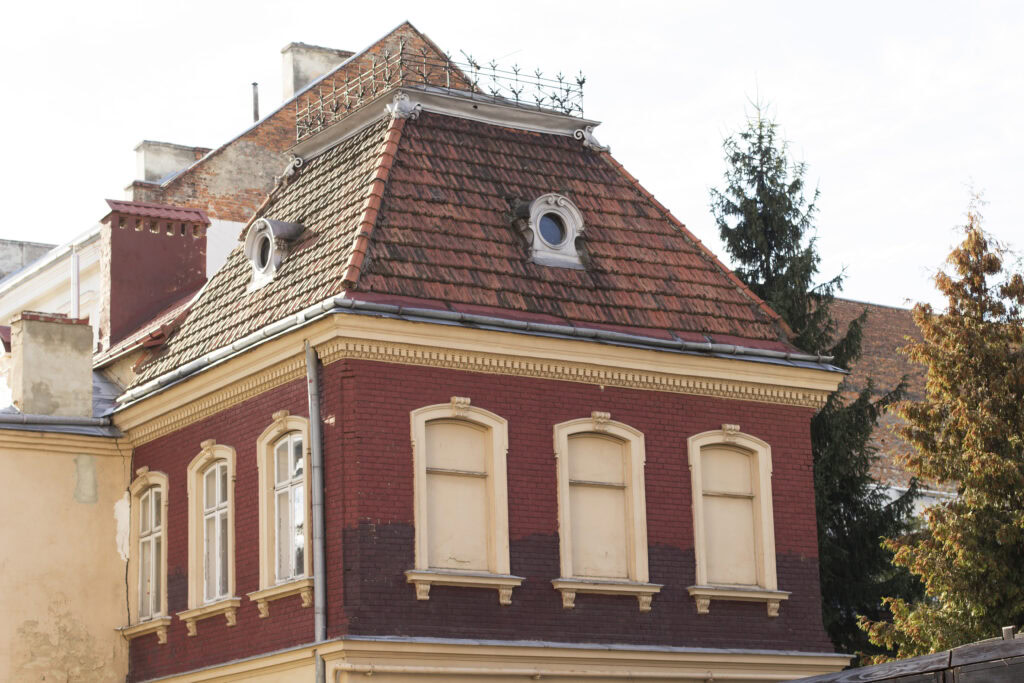
Originating from France, this roof is easily recognized by having double-pitched slopes on all four sides. The lower slope is always steep, nearly vertical, while the portion above is much flatter than expected. In the historic neighborhoods such as Old Louisville and Cherokee Triangle, mansard roofs offer a premium in Victorian-inspired homes and restored brownstones.
But the complex shape and detail make it expensive to build and repair. It also requires careful waterproofing on the flat upper slopes, especially during heavy rain.
Best For:
- Homes where an upper-level living space is needed
- Historical or luxury properties
Pros:
- Allows for a full upper story or attic space
- Elegant, distinctive appearance
Cons:
- Expensive to build and maintain
- Not ideal for snowy or wet climates
6. Gambrel Roof
Commonly seen on barns, colonial homes, or even at farmhouses, gambrel roofs offer a unique blend of a double-slope on two sides. The upper slope is shallow, while the lower is much steeper, making it almost look vertical. The design maximizes headroom and interior storage in the living space. Many Louisville homeowners choose gambrel roofs for detached garages, guesthouses, or backyard workshops due to their aesthetic charm and practical layout.
Best For:
- Farmhouses, barns, and Colonial homes
Pros:
- Adds space for lofts or attics
- Efficient water runoff
Cons:
- May struggle in high-wind areas
- Needs regular maintenance for long-term performance
7. Butterfly Roof
The butterfly roof consists of two angled roof surfaces heading down towards the center, forming a V-shape, mainly used in luxury and modern homes, and known for creating a dramatic interior ceiling line and collecting rainwater. In Louisville’s eco-conscious areas, the butterfly roof isn’t just a symbol; it’s an energy-oriented design.
Best For:
- Eco-friendly homes
- Urban areas are looking for a modern aesthetic
Pros:
- Ideal for rainwater harvesting
- Maximizes wall height and window options
Cons:
- Can collect debris and water if the drainage isn’t perfect
- Not that easy to maintain and to construct.
8. Dormer Roof
Usually, dormers are a small roof that projects into the main roof, usually containing a window. They may not be the typical full roof type to be on their own, but dormers are a major element in multiple architectural styles, bringing up the vertical interest to your roofline and improving cross functionality in the home’s upper floor.
Best For:
- Homes needing extra attic or upper-story space
- Colonial and Cape Cod-style homes
Pros:
- Brings natural light and ventilation to upper levels
- Adds curb appeal
Cons:
- Increases the cost and complexity of roofing
- Prone to leaks if not installed properly
9. Jerkinhead Roof
The Jerkinhead roof, better known as the clipped gable or a half-hip roof, comes with features of gable and hip roofs. Being recognized by the way the gable is tucked and clipped at the top, giving it a more compact appearance.
The design is widely used in homes that need the drainage and ventilation of a gable, but with the wind resistance of a hip roof. As you go into the hilly areas, you will see jerkinhead roofs crafted in the old homes, which were made a long time ago.
There’s no doubt it looks amazing in person to see, but in reality, it’s more complicated to frame and can raise labor costs, but many homeowners find the look and function worth the investment.
Best For:
- Tudor and bungalow-style homes
Pros:
- Strong against the wind
- Attractive and unique look
Cons:
- Higher cost and complexity
- Less common, so it may require specialized contractors
10. Saltbox Roof
Featuring a stylish and asymmetrical style, saltbox roofs feature where one slope is longer than the other, typically a long rear slope is combined with a short and much steeper front slope. The design is taken from early American colonial architecture and remains a popular choice in Kentucky. Nowadays, saltbox roofs are much more valuable for being old-fashioned, which makes them even more optimal for Louisville’s seasonal rain.
Best For:
- Classic or rustic homes
- Areas with moderate rainfall
Pros:
- Water easily runs off the steep side
- Provides a unique interior ceiling profile
Cons:
- Uneven interior space
- Limited design versatility
11. Bonnet Roof
The bonnet roof, better known as the kicked eave roof, is quite similar to the mansard, but the lower slopes are flared outside, creating a natural overhang that supports extra shade and shelter over patios and gardens. In southern-style homes or in rural estates outside of Louisville, the bonnet roofs are better known for their elegance and sun protection.
Best For:
- Southern-style homes or plantation-style architecture
Pros:
- Great porch coverage
- Visually distinctive
Cons:
- Difficult to build
- May trap snow or water in the inward valleys
12. Combination Roof
Combining the roof blends of two or more into a single design, let’s say, a house might feature a hip roof with gable dormers or with a flat section on top of a mansard base, this different approach is often used in large, custom-built homes where architects wants to mix practicality with an artistic approach. It is important to know that the complexity of the combination roof is more expensive to build and repair. Drainage must be carefully designed to avoid any leakages at intersection points.
Best For:
- Large or custom-built homes
- Unique architectural styles
Pros:
- Custom look
- Flexible for different functional and aesthetic needs
Cons:
- Complex construction
- Expensive and harder to maintain
Choosing the Right Type of Roof for Your Louisville Home
Louisville’s weather includes everything from hot summers and strong winds to snow and rainfall. The types of roofs that work best here need to manage moisture, provide ventilation, and handle fluctuating temperatures. Here’s a quick guide that you need to have for better clarification:
| Roof Type | Best For Louisville? | Why? |
| Gable | ✅ Yes | Great for shedding rain and snow |
| Hip | ✅ Yes | Strong against wind and storms |
| Flat | ⚠️ Use with caution | Needs excellent drainage |
| Shed | ✅ Yes | Simple and functional for additions |
| Mansard | ⚠️ Costly upkeep | Adds space but needs upkeep |
| Gambrel | ✅ Yes | Adds attic space, easy water flow |
| Butterfly | ⚠️ Complex | Modern, but needs drainage attention |
| Dormer | ✅ Yes | Enhances attic usability |
| Jerkinhead | ✅ Yes | Wind-resistant with classic style |
| Saltbox | ✅ Yes | Traditional look, good for rain runoff |
| Bonnet | ✅ Yes | Works well with porches |
| Combination | ✅ Yes | Flexible but needs skilled builders |
Contact a Professional Roofing Contractor
Going with the right roof isn’t just about going what looks pleasing, the materials, angle, ventilation, and climate compatibility impacts your home’s safety and efficiency. That’s why working with an experienced roofing contractor in Louisville is essential; a qualified professional will assess your home’s structure and slope, recommend the best roof type for your area, ensure compliance with Kentucky’s building codes, and offer warranties and ongoing maintenance options. DIY installations or using inexperienced contractors may save money upfront, but they often lead to long-term damage, inefficiency, and repairs that could cost thousands.
Final Thoughts
Ranging from the classic gable to modern butterfly styles, today’s roofing options give homeowners the flexibility to balance aesthetics with functionality. So when choosing your roof type, consider the climate, your home’s architectural style, and your future plans.
A roof isn’t just a hat for your house—it’s the shield that protects everything underneath. That’s why it’s worth understanding your options and working with a local expert who can guide you toward a durable, lasting choice.
Your choice should reflect not only your taste but your home’s location, structure, and environmental demands. With Roof Guys, you are getting much more than just roof care. Consult now or schedule a call with our professionals.