Moss on roof isn’t just a matter of aesthetics. It affects your insurance coverage and roof’s longevity as well, especially if you live in Louisville, Kentucky. That’s why you must understand how to remove moss from the roof and make sure it never grows back. It will extend the life of your roofing system and maintain your property’s curb appeal.
This guide will cover everything about moss removal, from identifying moss to prevention methods. You can remove moss from your roof on your own, but it’s always better to let experts tackle it. Let’s look into the reasons for moss growth.
Moss on Roof: Causes behind Moss Growth
Numbering around 12,000 species, moss is a primitive and flowerless plant. Dicranoweisia cirrata and Bryum capillare usually grow in the humid parts of your Kentucky home. If you have an asphalt or metal roof, moss will inevitably cling to it, especially since Kentucky has a very moist environment. Unless you harbor “bryophilia,” you might want moss on roof gone. This small, green, & leafy plant gets water from its environment and likes to thrive chiefly in shaded areas with limited sunlight and poor airflow.
If the roof has overhanging trees or trapped moisture, mold will grow there; moss growth is consistently common in climates with heavy rainfall. That’s why it’s a major concern for Louisville homeowners.
So, even if you love seeing moss on the roof, don’t forget that this rootless plant decreases your roof’s lifespan. Leaving moss undisturbed on roofing materials like tiles or shingles will make it retain moisture, creating an environment that accelerates the weakening of your roof. As a result, your roof starts leaking.
Moss can even work its way under the edges of shingles, causing them to lift or curl, which raises the risk of them blowing off in high winds and lets water travel sideways underneath the roof surface instead of running off, according to the Asphalt Roofing Manufacturers Association.
Simple Ways to Identify Moss on Your Roof
Before we go into the details of how to remove moss from roof, we should learn how to identify it. After all, spotting moss early makes it easier to get rid of it. So, this is what you have to know about moss:
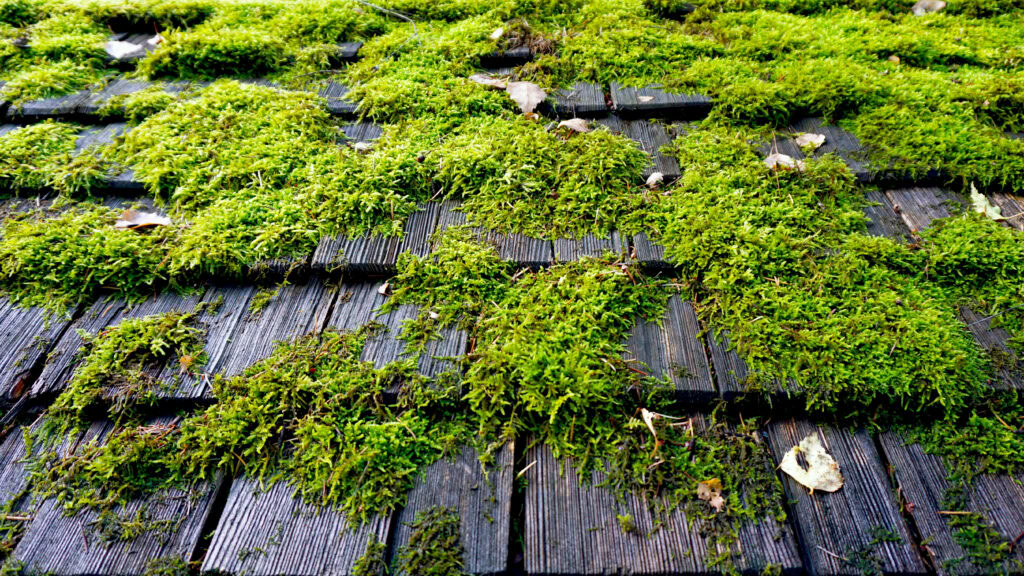
- What does it look like? Moss looks very dense, often velvety green. Sometimes, you’ll see dark clumps gathering on the northern side of your house or damp/shaded areas of the roof.
- How does it feel like? While algae may look slimy or stain the surface, moss feels spongy; it can be several millimeters thick. It feels like a plush carpet and smells like petrichor.
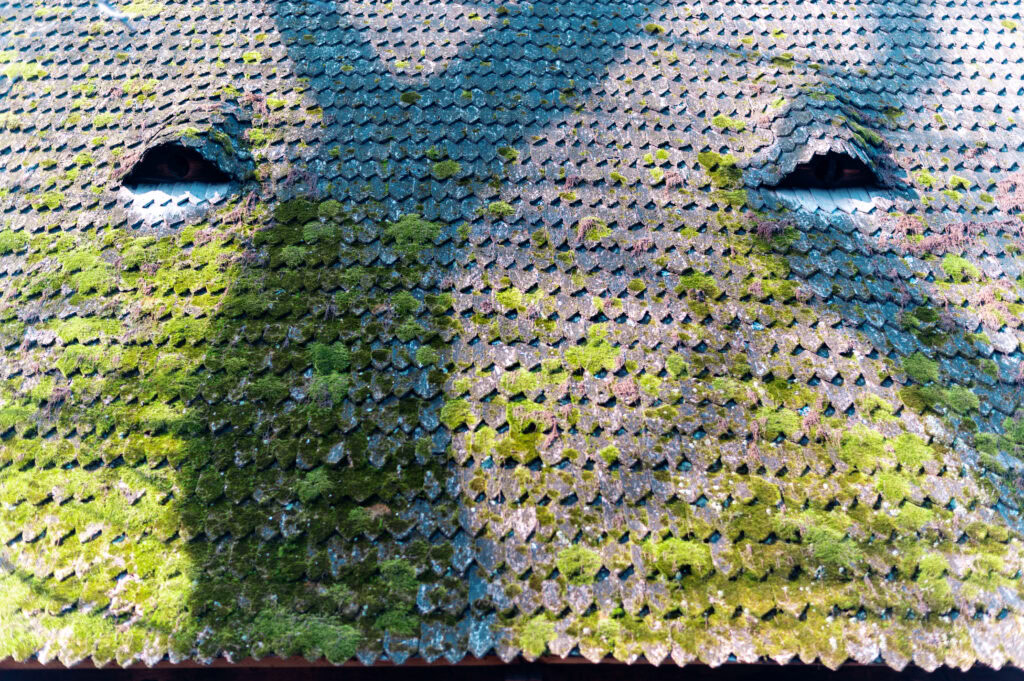
- Where does it grow? You will typically find moss where debris lodges or shade holds moisture, e.g., under tree branches, valleys, gutters, and areas of poor drainage.
- How does it grow? Moss spreads by spores and attaches to tiny debris on roofing materials. It then creates a cushion-like mat that traps water.
Moss Removal Made Easy: 4 Simple Methods
Removing moss helps preserve your roof’s strength and appearance. We have both DIY and professional approaches available depending on the extent of the growth.
Before you grab a ladder, it’s worth remembering that moss growth makes a roof surface slicker than it looks, so this isn’t a job to rush into casually. Make sure your ladder reaches well past the roof edge and is on solid, level ground, choose footwear that won’t slide on a damp surface, and hold off entirely if it’s raining, snowing, or gusty out.
If any of that gives you pause, that’s a good sign to call in a professional instead. Let us look into how to remove moss from roof in detail here, shall we?
1. Removing It Manually
You can easily remove light moss patches on your own. Just use a soft-bristle brush or a roof rake to pull moss carefully off the shingles. Work in a downward motion, following the direction the shingles overlap, since brushing upward or sideways is more likely to lift them. But remove it gently; scrubbing your roof vigorously can damage shingles or remove their protective granules.
2. Treating It with Chemicals
When moss covers a large area, moss-killing compounds can kill the moss and stop it from growing again after a while. A common homemade solution is a mixture of 1 part bleach to 4 parts water applied with a pump sprayer. Always wet plants and grass below to protect them from runoff.
Commercial moss treatments use zinc or potassium salts that don’t damage roofing materials. You have to follow all manufacturer instructions to avoid harm to roof surfaces, however.
3. Applying Zinc/Copper Strips
Another effective moss-killing method is to install metal strips near your roof’s ridge. They are installed just below the singles so rainwater can carry the metal ions down the roof. These zinc/copper strips not only kill moss but also prevent its resurgence.
- Zinc or copper slowly release ions during rainfall that inhibit moss and algae growth.
- Copper tends to be more effective but zinc is a less expensive alternative.
4. Calling Professionals for Help
When all DIY methods to kill moss on roof fail, you should consider hiring professionals. As a general guideline, once moss covers more than about 30% of your roof, or your roofing material is old or delicate, it’s worth skipping the DIY approach altogether and calling in a pro. They’ll combine moss removal with other methods of roof maintenance to extend the lifespan of your roof. Professional roofers will remove moss safely without damaging your roof and inspect it thoroughly for issues like rot or leaks. Also, these roofers will use eco-friendly treatments tailored to your roof type.
How Much Does Professional Moss Removal Cost?
Pricing depends on the size of your roof and how bad the moss growth has gotten, but a gentler soft-wash cleaning on a typical home usually falls somewhere between $300 and $600. Pressure washing tends to run higher, roughly $600 to $1,000, though most roofers, us included, steer away from it since it can strip away shingle granules and cause more harm than good. Adding on a preventative treatment afterward to slow down regrowth typically costs another $100 to $300, according to njahc. A local quote will always be more accurate than a general number, but this should give you a realistic starting point.
Does Homeowners Insurance Cover Moss Damage?
Usually not, and this is where things can get tricky. Most policies are built to cover sudden, accidental damage, not the kind of gradual deterioration moss causes over time, so insurers often treat visible moss buildup as a sign of deferred maintenance rather than bad luck. That can mean a denied claim, a reduced payout, or even a flagged policy at renewal time, according to ARS Roofing. Staying ahead of moss with regular removal and inspections is the simplest way to keep that from becoming a problem.
Preventing Roof Moss
Once moss has been removed, proactive prevention is the key to making sure it doesn’t grow back. Here’s how to keep your roof free from moss long-term:
- Maintain Your Roof Regularly: You should inspect your roof from time to time to make sure no leaves or twigs are lying around. Clean debris from gutters/valleys with a roof rake twice a year to prevent moisture from accumulating. Pooled moisture is what mold feeds on!
- Trim Overhanging Branches: Why don’t you simply cut back tree branches that shade your roof and drop leaves? More sunlight means more exposure for your roofs and quick drying. This way, no environment hospitable for mold growth will form on your roof.
- Improve Roof Ventilation: Do your attic and roof spaces have proper ventilation systems? You should ensure proper airflow to lower humidity levels under the roof.
- Install Zinc/Copper Strips: Installing metal strips near the roof ridge releases moss-building ions. This natural method is environmentally friendly and highly effective.
- Adjust Roof Surface pH: Moss prefers acidic environments; applying substances like baking soda during dry weather can raise pH to inhibit moss growth.
Keep Your Roof Clean with Roof Guys
Do you see signs of moss growth on your roof? Are you looking for professional assessment and removal urgently? Roof Guys in Louisville, Kentucky, are ready to help. They have an experienced team that can deliver safe, eco-friendly, affordable, and long-lasting solutions for your roofing needs.
Don’t let moss undermine your home’s defenses; get in touch with the pros today!