
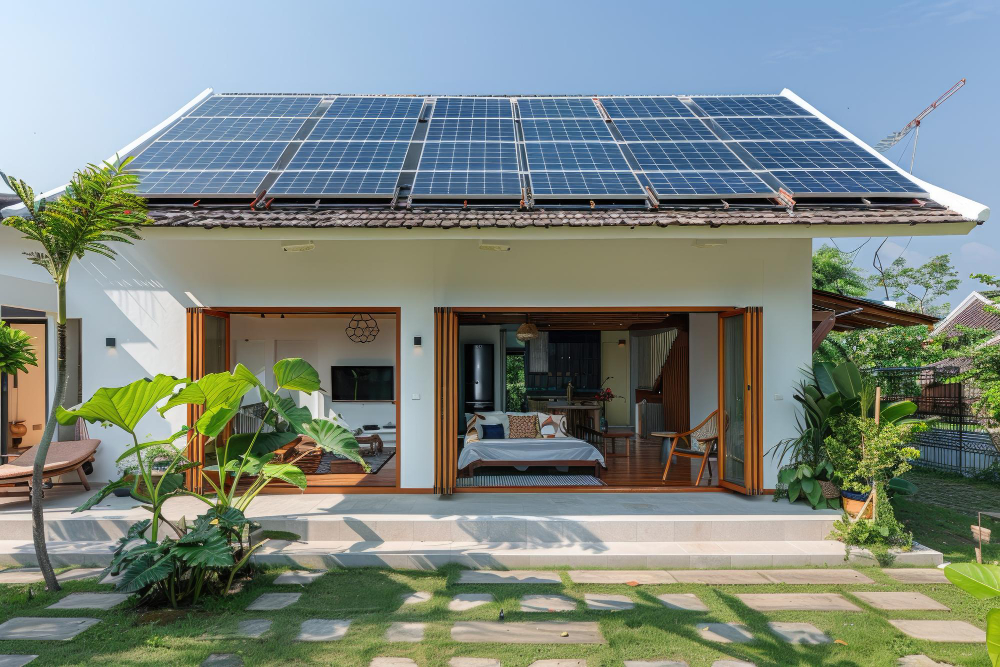
Rooftop solar has gone from a niche choice for a small group of early adopters to a mainstream option that millions of homeowners are considering. Falling equipment prices, more financing choices, and rising electricity rates have all played a part. But solar is still a big decision, and it is not the right fit for every home.
This guide walks through the real benefits of installing solar panels on the roof, the drawbacks worth knowing, what the whole thing typically costs, and the incentive programs that can change the math in your favor.
Benefits of Solar Panels on Your Roof
Lower Monthly Electric Bills
The most common reason homeowners look into solar panels on roof space is simple: lower bills. When your panels generate electricity, that is power you are not buying from your utility company. Depending on how much sunlight your roof gets, how large your system is, and how much electricity your household uses, solar can cover a meaningful share of your monthly usage. Savings will not be identical for every home, since shading, roof angle, and local electricity rates all play a role, but for many homeowners, the reduction in monthly bills is the single biggest reason to make the switch.
Energy Independence
Adding battery storage to a solar system lets you use the power your panels generate even when the sun is not out. Instead of sending unused electricity back to the grid and drawing power from the utility company at night, a battery stores that extra energy so you can use it after dark, on cloudy days, or during a power outage. Batteries are usually sold separately from the solar panels themselves, so this is worth factoring into your budget if energy independence is a priority rather than something included by default.
Clean, Renewable Energy
Solar power draws on a resource that never runs out. Every day the sun rises, it delivers more energy than the planet uses, and unlike fossil fuels, it does not need to be drilled, mined, or shipped in from somewhere else. That means less exposure to the price swings and supply issues tied to coal, oil, or natural gas, and a long-term hedge against rising utility rates.
It is also one of the cleanest ways to power a home. Once installed, solar panels generate electricity without burning fuel or releasing carbon dioxide, which appeals to homeowners who want to lower their environmental impact without changing their daily habits. It is worth being upfront that manufacturing panels does produce some emissions, since the process is not impact free. Most estimates suggest that impact is offset within one to four years of normal use, after which the system produces clean energy with no ongoing environmental cost.
Low Maintenance and Longevity
Solar panels are built to handle years of sun, rain, and temperature swings without much attention. Most systems need only occasional cleaning to clear off dust, leaves, or bird droppings, along with a yearly visual check to make sure nothing looks damaged. There are no moving parts to wear out, which keeps repair needs low. Most manufacturers back their panels with warranties in the range of 20 to 25 years, and many systems keep producing usable electricity well beyond that. For homeowners who want a long-term investment without ongoing upkeep, this combination of low maintenance and long lifespan is a meaningful benefit.
Potential Boost to Home Value
Solar panels can make a home more attractive to buyers, similar to how a renovated kitchen or updated bathroom might. The exact impact on resale value depends heavily on your local market, how much homeowners in your area value energy savings, and whether the system is owned outright or leased. A fully owned system tends to add more value than a leased one, since a buyer would need to take over lease payments or have the panels removed. It is a real benefit, but not a guaranteed one, and it varies more than the other benefits on this list.
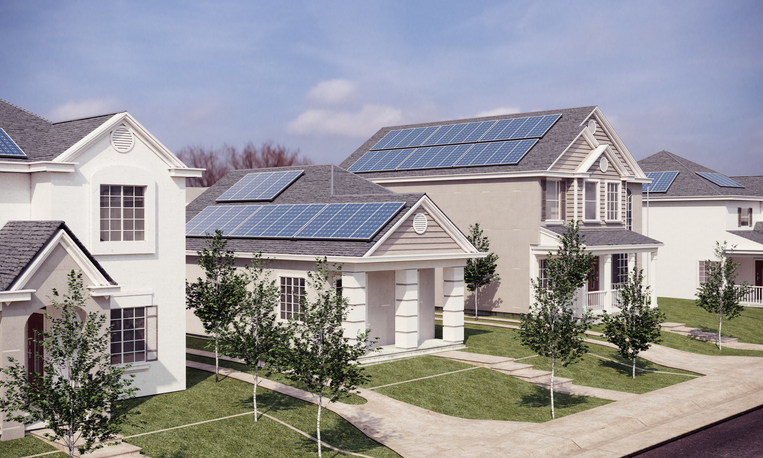
Disadvantages of Solar Panels on Your Roof
Solar is not without tradeoffs, and it is worth going in with clear expectations.
- High upfront cost. Even with financing available, a full solar system is a significant investment, and it can take several years before the savings on your electric bill make up for what you spent. If you plan to sell your home before that payback period ends, you may not fully recover your investment.
- Property tax increases. In many areas, adding solar panels increases your home’s assessed value, which can mean a higher property tax bill. Some states specifically exempt solar installations from this kind of reassessment, so it is worth checking local rules before assuming this will affect you.
- Insurance adjustments. Since solar panels add value and physical equipment to your roof, your insurance provider may need to adjust your policy to reflect that. This does not mean solar will always raise your premium, but it is worth a conversation with your insurer before installation.
- Roof and site limitations. Panels facing the wrong direction, roofs with a lot of shade, or a roof nearing the end of its life can all limit how much value you get from a solar investment. If your roof needs replacing within the next several years, it usually makes more sense to handle that first.
What Does It Cost to Install Solar Panels
Solar system costs vary widely depending on the size of the system, the type and condition of your roof, and local labor rates. A larger home with higher energy use will typically need a bigger system, which raises the total cost, while a smaller, well-positioned roof may need less equipment to see meaningful savings.
There are a few common ways to pay for a system-
a) Buying outright, either with cash or a solar loan, means you own the system and keep any tax credits or incentives for yourself.
b) Solar leases and power purchase agreements, often called PPAs, let you use solar power with little or no upfront cost, but you typically will not qualify for ownership incentives, and the savings are usually smaller over time.
c) Because prices vary so much by region and change as equipment and labor costs shift, the most reliable way to know what a system will actually cost for your home is to get quotes from a few local installers rather than relying on national averages.
Solar Incentives and Policies
Several programs exist to make solar more affordable, though the details vary by location and change over time.
The federal solar tax credit allows homeowners to deduct a percentage of their solar installation costs from their federal taxes. The exact percentage and eligibility rules have changed over the years, so it is worth checking current guidelines rather than relying on older information.
Many states also offer their own rebates or incentive programs on top of the federal credit. These vary significantly, so what is available in one state may not exist in another.
Net metering is another policy worth understanding. In areas that offer it, any extra electricity your panels generate and send back to the grid can earn you a credit that offsets your bill during times when your panels are not producing enough, like at night. Not every utility company offers the same net metering terms, so it is worth asking about this specifically before installing.
In some states, homeowners can also earn income through solar renewable energy certificates, or SRECs, which represent the clean energy your system produces. Utility companies buy these certificates to meet state clean energy requirements, giving homeowners in eligible states another way to offset the cost of their system over time.
Is Solar Worth It for Your Home
There is no single answer that applies to every homeowner. The right decision depends on how much sunlight your roof gets, your local electricity rates, the age and condition of your roof, and how long you plan to stay in your home. A home with strong sun exposure, high electricity rates, and a newer roof is generally a strong candidate. A home with heavy shade, low electricity rates, or a roof nearing the end of its life may see a much longer payback period. For detailed info you can go through this article- I2 Questions to Consider Before Buying Solar Panels
Pros and Cons at a Glance
| Category | Benefit | Consideration |
| Electric bills | Lower monthly costs | Savings vary by usage and system size |
| Environment | Reduces carbon emissions | Manufacturing has some upfront impact |
| Home value | Can increase resale appeal | Depends on market and ownership type |
| Cost | Incentives can offset price | Upfront cost and payback period still apply |
| Insurance and taxes | Possible SREC income in some states | May affect property tax and insurance premiums |
Final Thoughts
Solar panels offer real benefits, from lower electric bills to a smaller environmental footprint, but they also come with real tradeoffs in cost, timing, and how well they fit your specific roof. Before installing, it is worth having your roof evaluated, since putting panels on a roof that needs replacing soon often means paying to remove and reinstall them later. A little planning upfront makes it far more likely that solar ends up being the investment you expected it to be.