
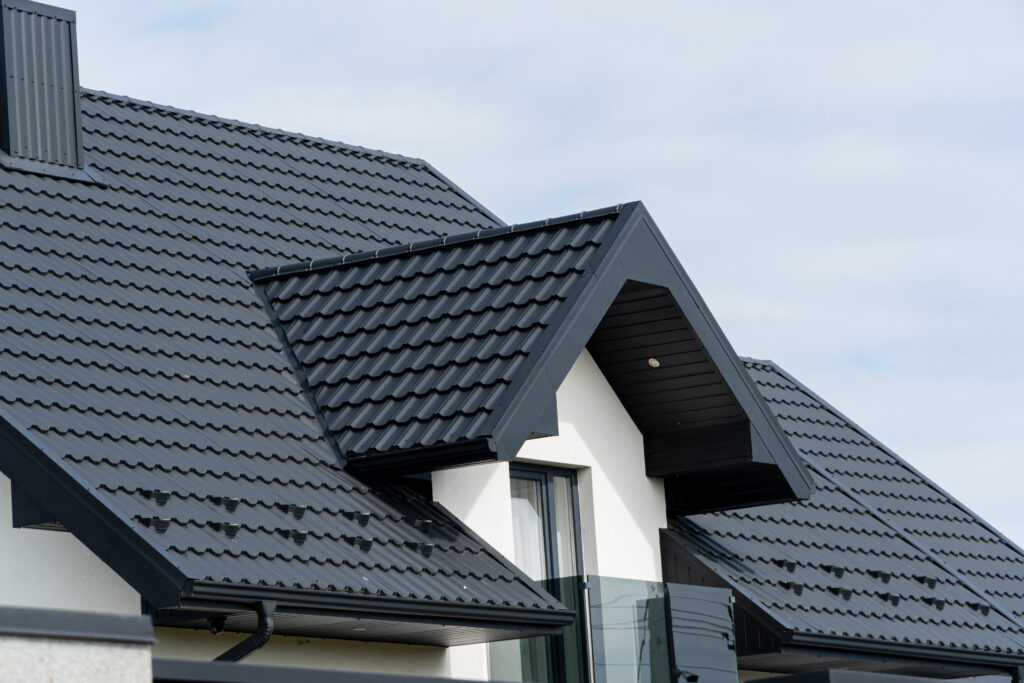
Starting a major home improvement project often feels like a huge leap of faith. You want to protect your property with reliable materials and expert skills. Knowing the basics helps you plan well for this important structural update.
A typical roof installation involves several stages that ensure your home stays dry. First, crews remove old debris to check the wooden boards for any hidden rot or damage. Then, they lay down fresh protective layers to keep the weather outside where it belongs.
Various complex factors influence the total financial requirements of your new overhead covering. Elements like square footage, the specific shingles you select, and local labor rates play a large role. Choosing premium materials will change your initial budget significantly.
This guide explains what to expect from the first day until the final inspection. We want to provide helpful tips so you can handle your renovation with total peace of mind. Getting a new top for your house is easier when you know the steps.
Preparing Your Home for Roof Installation
Preparing your home for a new roof is a critical step that ensures a smooth installation process. A roof installation can be a significant project, and being prepared can help minimize potential damages and disruptions to your daily life.
Securing the Perimeter and Protecting Landscaping
One of the first steps in preparing your home is to secure the perimeter and protect your landscaping. Roofing contractors will need access to your yard to remove old roofing materials and install new ones. To prevent damage, consider the following steps:
- Clear the yard: Remove any outdoor furniture, plants, and other items that could be damaged during the installation process.
- Trim trees and shrubs: Trim any branches that are close to your home to prevent damage from falling debris or roofing materials.
- Mark sensitive areas: If you have specific areas of your yard that are sensitive, such as gardens or landscaping features, mark them clearly so that the roofing crew is aware.
Managing Interior Vibrations and Protecting Valuables
Roof installation can cause vibrations that may affect your home’s interior. To minimize potential damage and disruptions:
- Secure loose items: Ensure that any loose items on walls or shelves are securely fastened to prevent them from falling.
- Cover valuables: Consider covering valuable or sensitive items, such as artwork or electronics, to protect them from dust and debris.
- Relocate pets and children: On the day of the installation, it may be best to keep pets and children away from the home to ensure their safety.
By taking these preparatory steps, homeowners can help ensure a smoother roof installation process and minimize potential disruptions to their daily lives.
The Tear-Off Process and Debris Removal
The roof installation journey starts with removing the existing roofing materials. This critical phase, known as the tear-off process, is essential for ensuring a clean slate for the new roof. It involves more than just stripping away the old shingles; it’s about preparing the roof deck for the installation of new roofing materials.
During the tear-off process, professionals carefully remove the old shingles and underlayment. This step is crucial because it allows for the inspection of the roof deck, which is the foundation for the new roof. The removal process can be labor-intensive and requires careful handling to avoid damaging the underlying structure.
Removing Old Shingles and Underlayment
The removal of old shingles and underlayment is a meticulous process. Contractors use specialized tools to pry up the old shingles and underlayment, taking care not to damage the roof deck. This process not only clears the way for new materials but also provides an opportunity to inspect the roof deck for any signs of damage or deterioration.
The old shingles and underlayment are then removed from the site, often using a dumpster or other debris removal methods. This ensures that the work area remains clean and safe throughout the installation process.
Inspecting the Roof Deck for Structural Damage
Once the old shingles and underlayment are removed, the roof deck is inspected for any structural damage. This is a critical step because any damage or rot can compromise the integrity of the new roof. Inspectors look for signs of water damage, rotting wood, and other forms of deterioration that could affect the roof’s performance.
If any damage is found, it can be addressed before proceeding with the installation of the new roof. This proactive approach helps prevent future problems and ensures that the new roof is installed on a solid foundation.
Repairing and Preparing the Roof Deck
Ensuring the roof deck is in good condition is vital before proceeding with the installation of new roofing materials. A well-prepared roof deck is crucial for the structural integrity and longevity of the roof. During this phase, any damage or deterioration is addressed to provide a solid foundation for the new roof.
Plywood Sheathing Replacement
One of the critical steps in preparing the roof deck is replacing any rotting or damaged plywood sheathing. This involves identifying and removing compromised sheathing to prevent further damage to the roof structure. The replacement process ensures that the roof deck is sturdy and can support the new roofing materials.
The process of replacing damaged plywood sheathing includes:
- Inspecting the roof deck for damaged or rotten sheathing
- Removing the damaged sections
- Installing new plywood sheathing
- Ensuring the new sheathing is properly secured
Installing Protective Measures
In addition to repairing the roof deck, installing drip edges and ice and water shields is essential for protecting the roof from water damage. Drip edges help to direct water away from the roof’s edges, while ice and water shields provide an extra layer of protection against ice dams and water intrusion.
| Component | Function | Benefits |
|---|---|---|
| Drip Edges | Direct water away from the roof’s edges | Prevents water damage to fascia and rafters |
| Ice and Water Shields | Provide extra protection against ice dams and water intrusion | Reduces the risk of leaks and water damage |
By focusing on these critical steps, homeowners can ensure their roof installation project is done correctly, providing a durable and long-lasting roof. Proper preparation of the roof deck is a key factor in the overall success of the roof installation process.
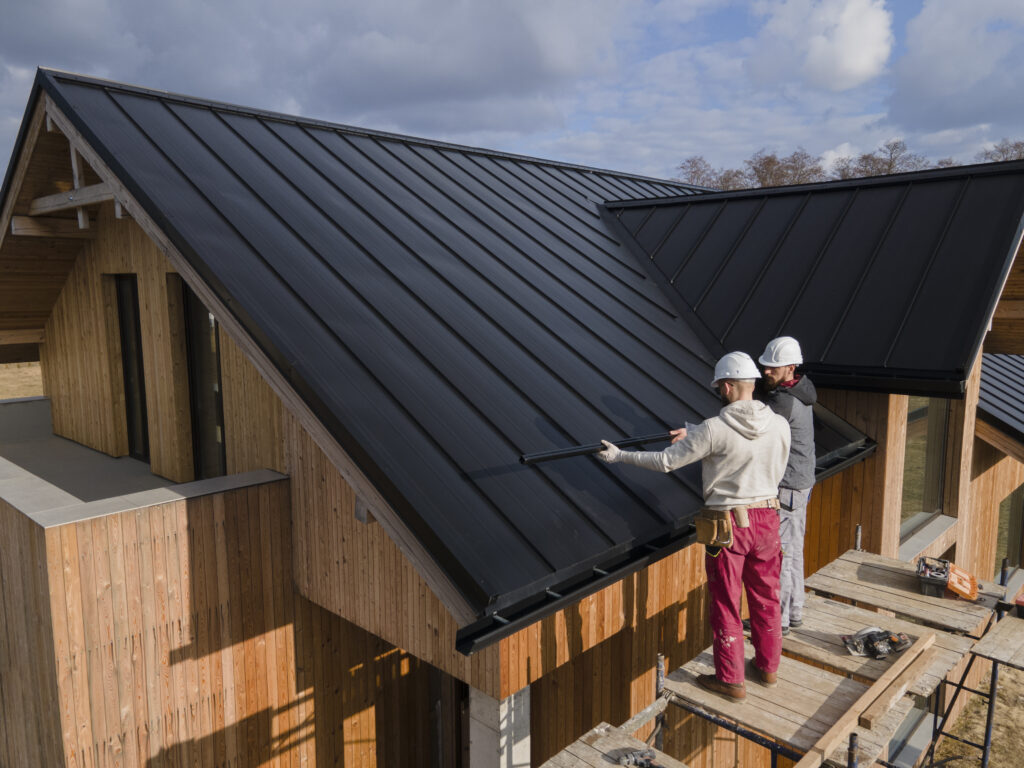
The Professional Roof Installation Process
The actual roof installation begins with the application of a synthetic underlayment to provide a layer of moisture protection. This critical step is essential for preventing water damage and ensuring the longevity of the roof.
Applying Synthetic Underlayment for Moisture Protection
Synthetic underlayment is a durable, water-resistant barrier that is applied to the roof deck before the installation of shingles. It provides an additional layer of protection against moisture, which can infiltrate the roof due to rain, snow, or ice. The use of synthetic underlayment has become a standard practice in modern roofing due to its superior performance compared to traditional felt underlayment.
Benefits of Synthetic Underlayment:
- Enhanced moisture protection
- Increased durability
- Better resistance to tears and punctures
- Improved safety during installation
Installing Shingles and Flashing for Weatherproofing
Once the synthetic underlayment is in place, the next step is the installation of shingles. Shingles are the outermost layer of the roof and are responsible for protecting the roof from the elements. Proper installation of shingles is crucial to ensure that the roof is weather-tight and functions as intended.
Flashing is also installed around chimneys, vents, skylights, and other roof penetrations to prevent water from entering the roof at these vulnerable points. The quality of the shingles and flashing, as well as the precision of their installation, directly impacts the roof’s performance and lifespan.
| Component | Function | Importance |
|---|---|---|
| Synthetic Underlayment | Provides moisture protection | High |
| Shingles | Protects against elements | High |
| Flashing | Prevents water intrusion around penetrations | High |
In conclusion, the professional roof installation process involves meticulous attention to detail, from the application of synthetic underlayment to the installation of shingles and flashing. Each component plays a vital role in ensuring the roof’s integrity and performance.
Understanding the Cost Factors of a New Roof
When planning a roof installation, it’s essential to consider the various elements that affect the overall cost. A new roof is a significant investment for homeowners, and being aware of the factors that influence its cost can help in making informed decisions.
Material Quality and Shingle Types
The type and quality of materials used for the roof play a crucial role in determining the cost. Shingles, for instance, come in various types, including asphalt, metal, and slate, each with its own cost implications.
Asphalt shingles are generally more affordable, while metal and slate shingles are more expensive due to their durability and aesthetic appeal. The quality of the shingles, including their durability and resistance to weather conditions, also impacts the cost.
Higher-quality shingles may be more expensive upfront but can offer long-term savings by reducing the need for frequent repairs or replacements.
Labor Costs and Geographic Location
Labor costs are another significant factor that affects the overall cost of a roof installation. The cost of labor varies by location, with urban areas typically having higher labor costs than rural areas.
Additionally, the complexity of the roof design and the experience of the roofing contractor can also influence labor costs. Geographic location not only affects labor costs but also the cost of materials, as transportation costs and local supply and demand can impact prices.
Regions prone to severe weather conditions may also require additional roofing measures, further affecting the cost.
By understanding these factors, homeowners can better estimate the cost of their roof installation project and make decisions that fit their budget and needs.
Hidden Expenses and Budgeting for Your Project
When planning a roof installation, it’s essential to consider not just the upfront costs but also the potential hidden expenses that can arise. A comprehensive understanding of these costs helps homeowners create a more accurate budget and avoid financial surprises down the line.
One of the primary concerns during a roof installation is the condition of the underlying structure. Over time, roofing materials can hide issues such as rotting wood or structural damage. Addressing these problems is crucial for the longevity and integrity of the new roof.
Accounting for Structural Repairs and Permits
During the roof installation process, inspectors may discover structural issues that need to be addressed. This could include repairing or replacing rotten plywood sheathing, ensuring the roof deck is secure, or fixing damaged rafters. These repairs can add significant costs to the project.
In addition to structural repairs, permits are another expense that homeowners should factor into their budget. Local regulations often require permits for roofing projects, and the cost of these permits can vary widely depending on the jurisdiction.
- Inspection fees
- Permit application costs
- Potential fines for non-compliance
Disposal Fees and Dumpster Rental Costs
Another often-overlooked expense is the cost associated with disposing of the old roofing materials. Roof installation projects generate a significant amount of debris, including shingles, underlayment, and sometimes even structural elements that need to be replaced.
Dumpster rental is a common solution for managing this debris. The cost of renting a dumpster can vary based on size, rental duration, and location. Homeowners should also consider the fees associated with disposing of hazardous materials, such as asbestos, if present.
| Disposal Method | Cost Factors | Average Cost |
|---|---|---|
| Dumpster Rental | Size, Rental Duration, Location | $200-$500 |
| Special Waste Disposal | Type of Material, Quantity | $100-$300 |
By understanding these potential hidden expenses, homeowners can better plan and budget for their roof installation project, ensuring that they are prepared for any unexpected costs that may arise.
How to Choose a Reliable Roofing Contractor
A successful roofing project starts with hiring a trustworthy and skilled roofing contractor. With so many contractors available, the selection process can be overwhelming. However, by focusing on a few key factors, homeowners can ensure they hire a professional who will deliver high-quality results for their roof installation.
Verifying Licensing and Insurance Coverage
Before hiring a roofing contractor, it’s crucial to verify their licensing and insurance coverage. A reputable contractor should have the necessary licenses to operate in your state and locality. Additionally, they should have both liability insurance and workers’ compensation insurance to protect you and their workers in case of accidents.
- Check for Licenses: Ensure the contractor is licensed by the relevant state and local authorities.
- Verify Insurance: Confirm the contractor has adequate insurance coverage, including liability and workers’ compensation insurance.
Evaluating Past Projects and Customer Reviews
Assessing a contractor’s past projects and customer reviews can provide valuable insights into their reliability and work quality. Look for contractors who have experience with roof installations similar to yours and check their reputation online.
- Review Past Projects: Ask to see examples of previous roof installations and assess the quality of their work.
- Check Customer Reviews: Look up online reviews on platforms like Yelp, Google, and the Better Business Bureau to gauge customer satisfaction.
Conclusion
A successful roof installation is crucial for protecting your home from the elements and maintaining its structural integrity. Throughout this article, we’ve explored the various stages involved in the roof installation process, from preparation to completion, and discussed the factors that influence the overall cost.
Understanding the intricacies of roof installation can help homeowners make informed decisions and avoid potential pitfalls. By choosing a reliable roofing contractor and being aware of the costs involved, you can ensure that your roof installation is done efficiently and effectively.
A well-executed roof installation not only enhances the durability and appearance of your home but also provides peace of mind. As you’ve seen, the process involves several critical steps, and attention to detail is paramount. By being prepared and knowledgeable, you can navigate the roof installation process with confidence.