Protecting your household starts from the top down. Mastering the overhead structure remains crucial for keeping your residence safe while avoiding pricey renovations.
When homeowners grasp how building elements function, they stop minor glitches before they grow. Every shingle and board plays essential roles in guarding your family.
Picture noticing damp spots on your ceiling after heavy storms batter the neighborhood. Identifying various structural components allows owners to find where water enters and fix things immediately.
This knowledge saves stress and finances during emergency situations. Rather than fretting, you can pinpoint issues with confidence and ease.
Our manual details various elements while explaining their roles. Homeowners will learn why maintaining this exterior shield ensures long-lasting safety.
Let’s explore the essential layers that keep your family dry and protected. Proper maintenance starts with recognizing the hidden layers above your head.
Knowledge gives you the power to protect your biggest investment from unexpected weather damage. Understanding how each mechanism within the roofing system works together creates lasting peace.
• Preventive Maintenance: Recognizing building components helps homeowners identify small leaks before they cause significant interior damage.
• Cost Savings: Understanding how your overhead shield functions enables faster repairs, reducing long-term financial burdens from structural decay.
1. Why Understanding Your Roof’s Anatomy Matters
The anatomy of your roof is more than just a collection of parts; it’s a complex system that protects your home from various environmental factors. Understanding the different components of your roof can help you communicate effectively with contractors, identify potential issues early, and make informed decisions about repairs and replacements.
For instance, knowing the parts of a roof can be beneficial when you’re planning to sell your home. A well-maintained roof can significantly boost your home’s value and appeal to potential buyers. Moreover, being aware of the various elements that make up your roof can help you detect problems such as damaged or missing shingles, clogged gutters, or signs of wear around chimneys and vents.
Here are some key reasons why understanding your roof’s anatomy is important:
- Effective communication with roofing professionals
- Early detection of potential issues
- Informed decision-making for repairs and replacements
- Enhanced home value and appeal
- Better maintenance and upkeep
By familiarizing yourself with the different parts of your roof, you can take proactive steps to ensure its longevity and performance. This knowledge will also enable you to ask the right questions when consulting with roofing experts, ultimately saving you time and money.
2. The Essential Parts of a Roof: An Overview
A roof is more than just its surface; it’s a complex system comprising multiple essential parts. The performance and durability of a roof depend on how well these components work together.
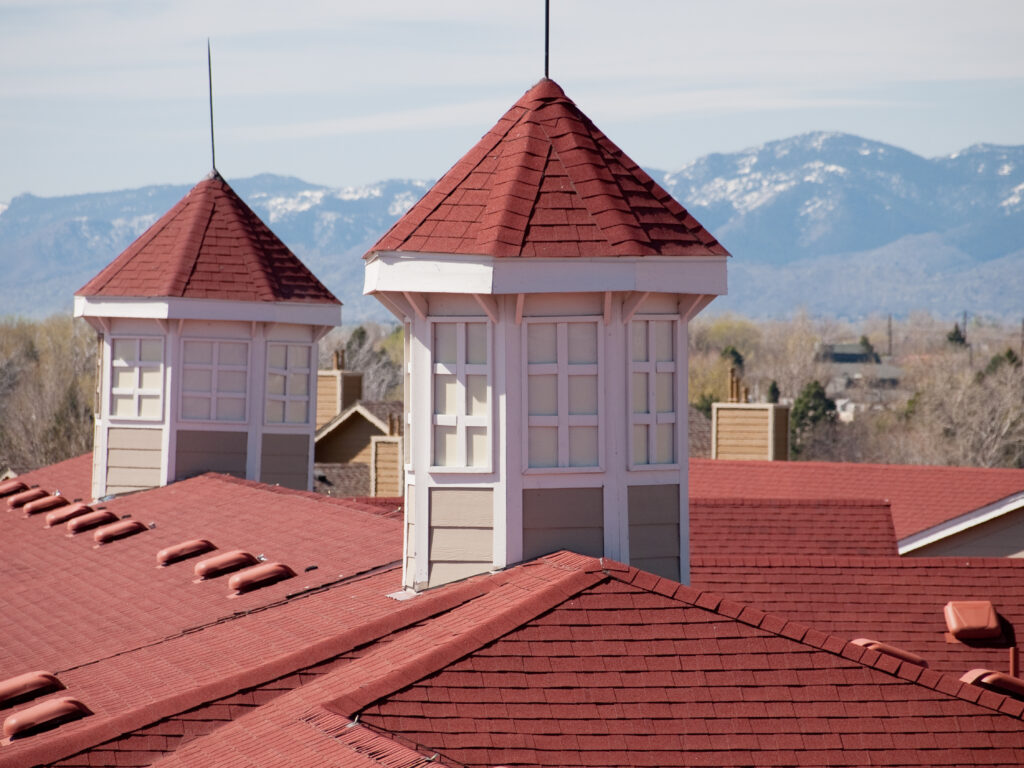
The visible exterior roofing layer is the most noticeable part of a roof, comprising elements such as shingles or other covering materials that protect the home from environmental factors. Beneath this layer, the structural support components provide the framework that holds the roof in place.
The visible exterior roofing layer includes materials like asphalt shingles, metal, or tile, which are designed to withstand weather conditions. On the other hand, structural support elements such as rafters, trusses, and decking form the skeleton of the roof, ensuring it remains stable and secure.
Understanding these essential parts and their roles is crucial for homeowners. It helps in maintaining the roof’s integrity, identifying potential issues early, and making informed decisions about repairs or replacements.
3. Visible Exterior Roofing Components
Your roof’s exterior is its first line of defense against the elements, comprising several critical components. These visible elements not only protect your home but also contribute to its overall appearance.
3.1. Roof Shingles and Covering Materials
Roof shingles and covering materials are the outermost layer of your roof, directly exposed to weather conditions. They are designed to protect your home from rain, snow, and sun exposure.
Types of Shingles
There are various types of shingles available, including asphalt shingles, metal shingles, and slate shingles. Each type has its own set of benefits and drawbacks. For example, asphalt shingles are cost-effective and easy to install, while metal shingles offer durability and resistance to extreme weather conditions.
- Asphalt shingles: Affordable and widely used.
- Metal shingles: Durable and resistant to weathering.
- Slate shingles: Long-lasting but more expensive.
Function and Lifespan
The primary function of roof shingles is to protect your home from the elements. The lifespan of shingles varies depending on the material and quality. On average, asphalt shingles last between 20 to 30 years, while metal and slate shingles can last significantly longer.
3.2. Flashing Systems
Flashing systems are critical components of your roof’s exterior, designed to prevent water from seeping into your home around chimneys, vents, and skylights.
Where Flashing Is Installed
Flashing is typically installed around roof penetrations such as chimneys, vents, and skylights. It is also used at roof intersections, like where a roof meets a wall or another roof surface.
Why Flashing Prevents Leaks
Flashing prevents leaks by directing water away from vulnerable areas. It is usually made from waterproof materials like metal or rubber and is designed to withstand various weather conditions.
3.3. Ridge Vents and Roof Ventilation
Ridge vents and roof ventilation are essential for maintaining a healthy attic space. Proper ventilation helps to reduce moisture buildup and heat damage.
Attic Ventilation Importance
Attic ventilation is crucial for regulating the temperature and moisture levels in your attic. It helps to prevent issues like mold growth and ice dams, which can lead to costly repairs.
Types of Roof Vents
There are several types of roof vents available, including ridge vents, soffit vents, and power ventilators. Ridge vents are installed along the peak of the roof and provide continuous ventilation.
- Ridge vents: Installed along the roof’s peak.
- Soffit vents: Installed under the eaves.
- Power ventilators: Electrically powered for enhanced ventilation.
4. Structural Support Components That Hold Everything Together
The backbone of any roof lies in its structural support components, which play a vital role in withstanding various environmental conditions. These components are crucial for the overall integrity and durability of your roof.
4.1. Roof Trusses and Rafters
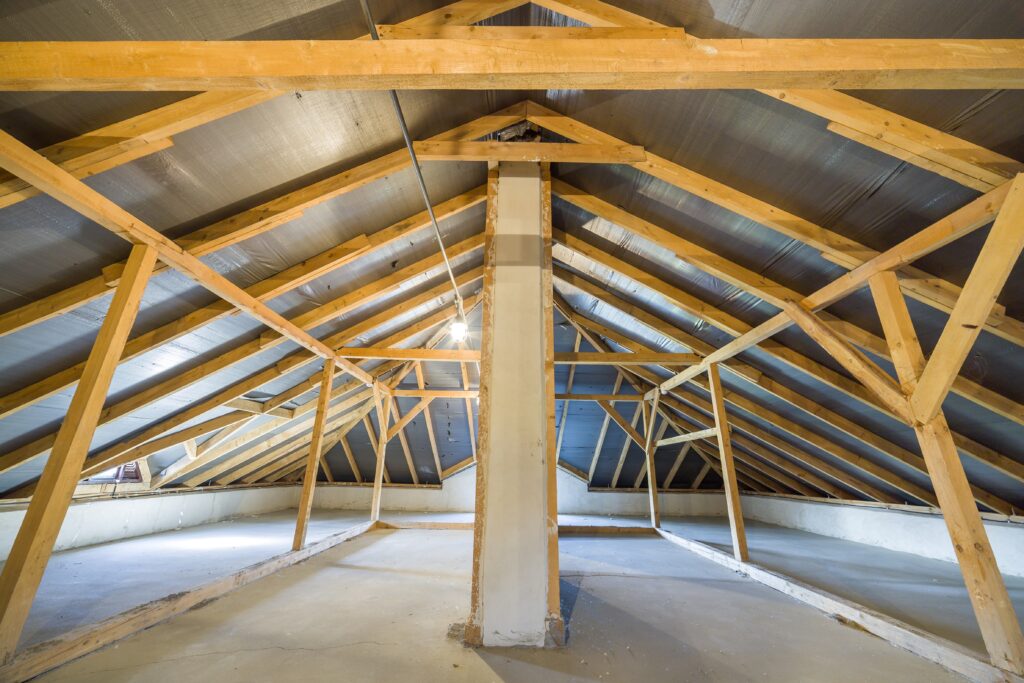
Roof trusses and rafters are the skeletal structure of your roof, providing the framework that supports the roofing materials. They are designed to bear the weight of the roof and distribute it evenly across the walls of your home.
The Difference Between Trusses and Rafters
While both trusses and rafters are essential components of a roof’s structure, they serve slightly different purposes. Roof trusses are pre-fabricated structures composed of multiple elements, such as top chords, bottom chords, and webs, which work together to provide support. Rafters, on the other hand, are individual sloping beams that extend from the ridge of the roof to the wall plate.
Load-Bearing Function
The load-bearing function of roof trusses and rafters is critical to the stability of your roof. They must be able to withstand various loads, including the weight of roofing materials, snow, and wind. Properly designed and installed trusses and rafters ensure that your roof remains secure and stable.
4.2. Roof Decking and Sheathing
Roof decking and sheathing provide a solid surface for roofing materials, such as shingles or tiles. They play a vital role in protecting your home from the elements and ensuring the structural integrity of your roof.
Materials Used for Decking
Common materials used for roof decking include plywood, oriented strand board (OSB), and solid wood. The choice of material depends on factors such as climate, budget, and local building codes.
- Plywood: A popular choice for roof decking due to its strength and durability.
- OSB: A cost-effective alternative to plywood, offering similar performance characteristics.
- Solid Wood: A traditional choice for roof decking, providing a natural and aesthetically pleasing appearance.
How Decking Supports Your Roof
Roof decking provides a nailing surface for roofing materials and helps to distribute loads across the roof structure. Properly installed decking ensures that your roof remains watertight and secure.
4.3. Underlayment and Moisture Barriers
Underlayment and moisture barriers add an extra layer of protection against water and moisture, helping to prevent leaks and damage to your roof.
Felt vs. Synthetic Underlayment
There are two primary types of underlayment: felt and synthetic. Felt underlayment is a traditional choice, made from asphalt-saturated felt paper. Synthetic underlayment, on the other hand, is a more modern alternative, offering improved durability and resistance to weathering.
Ice and Water Shield Protection
Ice and water shield is a specialized type of underlayment designed to protect vulnerable areas of your roof, such as valleys and eaves, from ice dams and water intrusion. It is typically made from a rubberized asphalt material that adheres to the roof deck, providing a watertight seal.
5. Roof Edges and Siding Protection Elements
Roof edges and siding protection elements are vital for maintaining the integrity and longevity of your home’s exterior. These components work together to protect your home from the elements, ensure structural stability, and enhance its overall appearance.
5.1. Eaves and Soffits
Eaves and soffits are critical components that protect your home from environmental factors. They are located under the roof’s edge and play a significant role in maintaining your home’s exterior.
What Eaves Do for Your Home
Eaves are the lower edge of a roof that overhangs the walls of a house. They protect the walls from rain and provide shade, reducing the risk of water damage and minimizing the impact of direct sunlight on the siding.
Soffit Ventilation Benefits
Soffit ventilation is crucial for maintaining a healthy attic space. It allows fresh air to enter the attic, reducing the risk of moisture buildup, which can lead to mold and structural damage. Proper soffit ventilation also helps in regulating attic temperatures, improving energy efficiency.
5.2. Fascia Boards
Fascia boards are the horizontal boards that run along the edge of the roof, providing a smooth finish and supporting the gutters. They are a crucial element in maintaining the roof’s integrity.
Structural and Aesthetic Purpose
Fascia boards serve both structural and aesthetic purposes. They provide a finished look to the roof’s edge and support the gutters, ensuring that water is properly directed away from the home’s foundation.
5.3. Drip Edge
A drip edge is a metal flashing that is installed along the edges of the roof. Its primary function is to direct water away from the roof’s edges and into the gutters.
Water Direction and Wood Protection
The drip edge protects the wood fascia and rafters from water damage by directing water into the gutters. This helps prevent rot and extends the lifespan of the roof’s structural components.
5.4. Gutters and Downspouts
Gutters and downspouts are essential components of a home’s water management system. They collect and redirect rainwater away from the home’s foundation.
Water Management System
Gutters and downspouts work together to manage water runoff, preventing erosion and water accumulation around the home’s foundation. This helps prevent structural damage and reduces the risk of basement flooding.
Foundation Protection
By directing water away from the home, gutters and downspouts play a critical role in protecting the foundation. This helps maintain the structural integrity of the home and prevents costly repairs.
6. Specialized Roof Areas and Features
Beyond the basic components, certain specialized areas of your roof demand extra attention to ensure they function as intended. These areas, including roof valleys, chimney flashing, and skylights, play critical roles in maintaining your roof’s integrity and performance.
6.1. Roof Valleys
Roof valleys are the channels formed where two slopes meet, creating a valley-like depression. These areas are prone to water accumulation and debris buildup, making them a focal point for potential leaks and damage.
Open vs. Closed Valleys
There are two primary types of roof valleys: open and closed. Open valleys are characterized by a visible metal or shingle channel that directs water flow. In contrast, closed valleys are covered with shingles, providing a more aesthetically pleasing appearance but requiring more precise installation to prevent water intrusion.
Why Valleys Need Extra Protection
Valleys are susceptible to water accumulation, making them a high-risk area for leaks. Proper flashing and sealing are essential to prevent water from seeping under the roofing material. Regular inspection and maintenance of roof valleys are crucial to ensure they remain clear of debris and functional.
| Valley Type | Description | Advantages | Disadvantages |
|---|---|---|---|
| Open Valley | Visible metal or shingle channel | Efficient water diversion, easier to clean | Aesthetically less pleasing |
| Closed Valley | Covered with shingles | More visually appealing | Requires precise installation, harder to inspect |
6.2. Chimney Flashing and Cricket
Chimney flashing is a critical component that prevents water intrusion around chimneys. It involves installing a waterproof layer around the chimney to direct water away from the structure.
Step Flashing Installation
Step flashing involves installing individual pieces of flashing that are integrated with the roofing material, typically shingles, to create a watertight seal around the chimney. Each piece is carefully positioned to ensure water runs off without penetrating the roof.
Cricket Design for Water Diversion
A cricket is a specially designed structure behind the chimney that diverts water around it, preventing accumulation and potential damage. Proper cricket design is essential for effective water diversion and to reduce the risk of leaks.
| Component | Function | Importance |
|---|---|---|
| Step Flashing | Creates a watertight seal around the chimney | High |
| Cricket | Diverts water around the chimney | High |
6.3. Skylights and Roof Penetrations
Skylights and other roof penetrations, such as vents and chimneys, require careful sealing to prevent leaks. Proper installation and maintenance are critical to ensuring these areas do not compromise the roof’s integrity.
Proper Sealing Techniques
Sealing around skylights and other penetrations involves using a combination of flashing, sealants, and sometimes additional membranes to create a watertight barrier. Regular inspections are necessary to identify and address any potential issues before they become major problems.
7. Why a Complete Roof System Matters for Your Home
A complete roof system plays a pivotal role in maintaining your home’s structural integrity and energy efficiency. It is not just about having a roof over your head; it’s about ensuring that every component works together seamlessly to protect your home from the elements and maintain its value.
7.1. Weather Protection and Energy Efficiency
The roof is your home’s first line of defense against weather conditions such as rain, snow, and extreme temperatures. A well-designed roof system ensures that your home remains dry and comfortable, regardless of the outside weather.
How Each Component Contributes
Every part of your roof, from the shingles to the underlayment, plays a crucial role in weather protection. Shingles protect against rain and UV rays, while underlayment provides an additional layer of protection against water intrusion.
Insulation and Ventilation Synergy
Proper insulation and ventilation are key to maintaining energy efficiency. Insulation helps to keep your home warm in the winter and cool in the summer, while ventilation ensures that your roof does not overheat or become too cold, which can lead to ice dams and other issues.
7.2. Structural Integrity and Home Value
A complete roof system is essential for maintaining your home’s structural integrity. It helps to distribute the weight of the roof evenly and prevents water damage that can compromise the structure.
Preventing Water Damage
Water damage is one of the most significant risks to your home’s structure. A well-maintained roof system prevents water from seeping into your home, thereby protecting your walls, ceilings, and foundations.
Impact on Resale Value
A well-maintained roof can significantly impact your home’s resale value. Potential buyers are more likely to be attracted to a home with a roof that is in good condition, as it reduces the need for immediate repairs or replacements.
7.3. Maintenance and Inspection Considerations
Regular maintenance and inspections are crucial for extending the life of your roof and ensuring it continues to perform optimally.
What to Check Regularly
Homeowners should regularly inspect their roofs for damaged or missing shingles, signs of wear around chimneys and vents, and ensure that gutters and downspouts are clear of debris.
When to Call a Professional
If you notice any significant damage or issues during your inspection, it’s essential to call a professional roofer. They can assess the situation and provide the necessary repairs to prevent further damage.
8. Conclusion
Understanding the various parts of a roof is crucial for maintaining a safe, secure, and energy-efficient home. By familiarizing yourself with the different components, you can identify potential issues before they become major problems.
A well-maintained roof not only protects your home from the elements but also enhances its overall value. Knowing the functions of each part of your roof enables you to make informed decisions about repairs, replacements, and maintenance.
Regular inspections and maintenance of your roof’s parts can help prevent costly repairs down the line. By staying on top of your roof’s condition, you can ensure it continues to provide protection and comfort for years to come.
By grasping the importance of the various parts of a roof, homeowners can take proactive steps to safeguard their investment and enjoy a safer, more secure living space.