
With the average American household spending over $1,400 annually on energy bills, homeowners are on the lookout for cost-effective solutions to reduce their expenses. One innovative approach is installing “cool roof” technology, which reflects more sunlight and absorbs less heat, leading to lower energy consumption.
As energy costs continue to rise, the appeal of energy efficient roofing grows. This type of roofing not only helps in reducing energy bills but also contributes to a more eco-friendly home environment. In this article, we will explore whether the investment in such roofing is justified by its benefits.
Key Takeaways
- Energy-efficient roofing can significantly reduce energy consumption and costs.
- “Cool roof” technology reflects sunlight and absorbs less heat.
- Investing in energy efficient roofing can increase a home’s value.
- It’s an eco-friendly solution for homeowners.
- The cost of energy efficient roofing varies based on materials and installation.
Why Energy Costs Make Cool Roof Technology Essential in 2026
The rising burden of energy costs is making cool roof technology a necessity for homeowners in 2026. As the cost of energy continues to escalate, homeowners are looking for ways to reduce their energy expenses without compromising on comfort.
The Rising Burden of Home Energy Expenses
Home energy expenses are a significant concern for many homeowners. The increasing cost of electricity and other forms of energy is putting a strain on household budgets. In the United States, the average household spends a considerable amount on energy bills each year.
Key factors contributing to rising energy costs include:
- Increasing demand for energy
- Rising fuel prices
- Aging infrastructure
How Cool Roof Technology Addresses Modern Challenges
Cool roof technology offers a solution to the rising energy costs by reducing the amount of heat absorbed by the roof. This technology involves using sustainable roofing materials and eco-friendly roof options that are designed to reflect solar radiation and emit heat quickly.
The benefits of cool roof technology are numerous, including:
- Reduced energy consumption
- Lower energy bills
- Increased comfort
- Extended roof lifespan
By adopting cool roof technology, homeowners can not only save money but also contribute to a more sustainable environment. As we move into 2026, the importance of energy-efficient roofing solutions will only continue to grow.
The Science Behind Energy Efficient Roofing
The principle behind energy-efficient roofing involves a combination of solar reflectance and thermal emittance. These two properties work together to reduce the temperature of your roof, thereby decreasing the amount of heat that enters your home.
Solar Reflectance and Thermal Emittance Explained
Solar reflectance refers to the ability of a roofing material to reflect sunlight. Materials with high solar reflectance can reflect a significant amount of sunlight, reducing the amount of heat absorbed by the roof. On the other hand, thermal emittance is the ability of a material to release heat quickly. A roofing material with high thermal emittance can efficiently release the heat it has absorbed, keeping the roof cooler.
To maximize energy efficiency, roofing materials should have both high solar reflectance and high thermal emittance. For instance, certain green roofing solutions and environmentally conscious roofing options are designed with these properties in mind, providing a cooler roof temperature and reducing the need for air conditioning.
How Roof Temperature Affects Your Home’s Energy Consumption
A cooler roof temperature directly impacts your home’s energy consumption. When your roof is cooler, your home’s cooling system doesn’t have to work as hard, leading to lower energy bills. Studies have shown that homes with energy-efficient roofing can save a significant amount on their energy costs during the summer months.
Moreover, a cooler roof can also extend the lifespan of your roofing material by reducing the thermal stress caused by extreme temperature fluctuations.
The Urban Heat Island Effect and Your Roof’s Role
The urban heat island effect is a phenomenon where built-up areas absorb and retain heat, making cities warmer than surrounding rural areas. Your roof plays a significant role in this effect, as traditional roofing materials can absorb a considerable amount of heat.
By choosing energy efficient roofing with high solar reflectance, you can help mitigate the urban heat island effect. This not only benefits your home by reducing energy consumption but also contributes to a cooler environment for your community.
In conclusion, understanding the science behind energy efficient roofing is crucial for making informed decisions about your roofing choices. By opting for materials with high solar reflectance and thermal emittance, you can enjoy lower energy bills, a longer roof lifespan, and contribute to a more sustainable urban environment.
Top Energy Efficient Roofing Materials: A Comprehensive Comparison
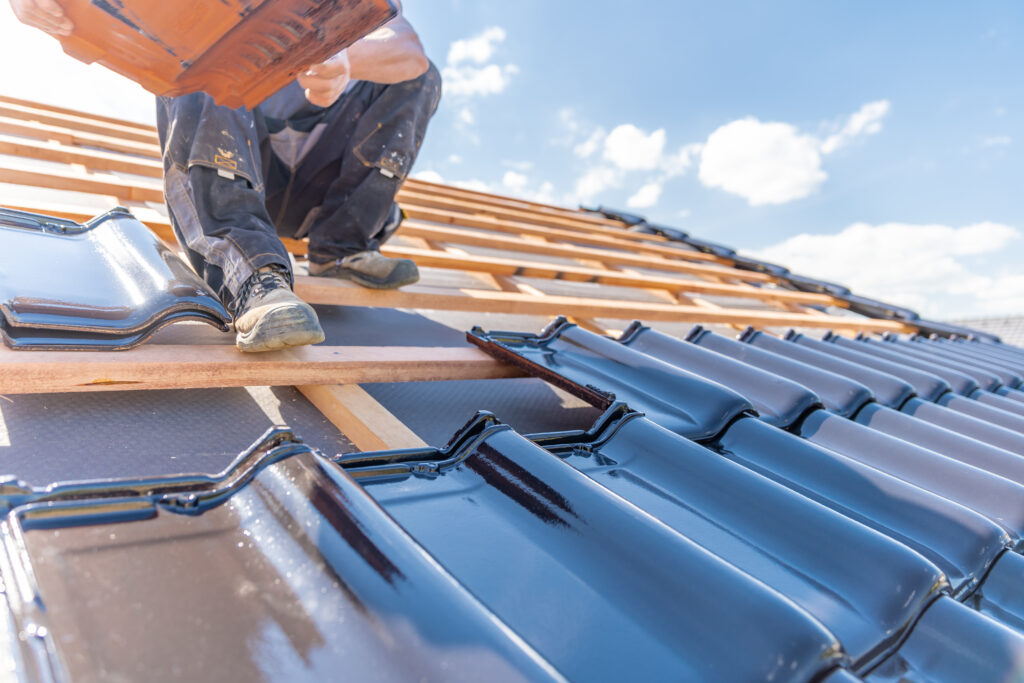
Energy-efficient roofing materials vary widely in their performance, durability, and cost, making a comprehensive comparison essential. Homeowners seeking to reduce their energy consumption and environmental impact have numerous options to consider.
1. Metal Roofing: Maximum Solar Reflectance
Metal roofing stands out for its high solar reflectance, making it an excellent choice for energy efficiency. Its ability to reflect sunlight rather than absorb it as heat can significantly reduce cooling costs during warmer months.
2. Cool Asphalt Shingles: Energy Efficiency Meets Traditional Aesthetics
Cool asphalt shingles offer a more energy-efficient alternative to traditional asphalt shingles without sacrificing the classic look homeowners desire. These shingles are designed to reflect more sunlight and absorb less heat.
3. Clay and Concrete Tiles: Natural Thermal Mass Benefits
Clay and concrete tiles are renowned for their durability and natural thermal mass benefits. They absorb heat during the day and release it at night, helping to regulate indoor temperatures.
4. Green Roofs: Living Systems for Ultimate Sustainability
Green roofs represent the pinnacle of sustainable roofing solutions. By incorporating vegetation into the roofing system, they provide insulation, reduce urban heat island effects, and create habitats for wildlife.
Climate-Specific Strategies for Maximum Efficiency
Energy-efficient roofing is not a one-size-fits-all solution; different climates require tailored approaches to achieve maximum efficiency. Homeowners must consider their local environmental conditions to choose the most effective roofing solutions.
Understanding the specific needs of their climate is crucial for maximizing energy efficiency. Whether you live in a hot and arid climate, a humid subtropical region, a cold climate, or a mixed climate, there are unique strategies to optimize your roofing for energy efficiency.
Hot and Arid Climate Solutions
In hot and arid climates, the primary goal is to reflect solar radiation and minimize heat absorption. Roofing materials with high solar reflectance are essential in these regions.
- Cool roofing materials that are designed to reflect more sunlight and absorb less heat.
- Light-colored roofing to enhance solar reflectance.
- Advanced coatings that can be applied to existing roofs to improve their solar reflectance.
Humid Subtropical Region Requirements
In humid subtropical regions, roofing materials must withstand high humidity and heat. The focus should be on materials that are durable and resistant to moisture damage.
- Moisture-resistant materials such as certain types of metal roofing and treated wood.
- Good ventilation is crucial to prevent moisture buildup.
- Regular maintenance to ensure the roofing system remains intact and functional.
Cold Climate Energy Efficient Roof Considerations
In cold climates, the primary concern is insulation and durability. Roofing materials should be able to withstand snow and ice while minimizing heat loss.
- High insulation values to reduce heat loss.
- Durable materials that can withstand freezing temperatures and physical stress from snow.
- Ice and snow management systems to prevent ice dams and related issues.
Mixed Climate Balancing Strategies
In mixed climates, balancing strategies are necessary to achieve maximum efficiency. This involves selecting materials and designs that can adapt to varying weather conditions.
- Versatile roofing materials that perform well across different weather conditions.
- Dynamic insulation solutions that can adjust to changing temperatures.
- Regular inspections to ensure the roofing system remains effective and efficient.
By adopting climate-specific strategies for energy-efficient roofing, homeowners can significantly reduce their energy consumption and environmental impact. It’s about choosing the right eco-friendly roof options and environmentally conscious roofing practices tailored to your local climate.
Return on Investment, Incentives, and Professional Installation
Homeowners considering energy-efficient roofing need to understand the potential return on investment and available incentives. While the initial cost may be higher than traditional roofing, the long-term savings and benefits can make it a worthwhile investment.
Understanding the True ROI of Energy Efficient Roofing
Calculating the return on investment (ROI) for energy-efficient roofing involves several factors, including material costs, installation costs, and annual energy savings.
- Initial Investment and Material Costs: The initial investment for energy-efficient roofing can vary significantly depending on the materials chosen. For example, metal roofing is known for its durability and solar reflectance, but it can be more expensive upfront.
- Annual Energy Savings Calculations: To calculate annual energy savings, homeowners should consider their current energy bills and the expected reduction in energy consumption with an energy-efficient roof. Utility company data and energy audit reports can be invaluable in making these calculations.
- Long-Term Value and Home Resale Benefits: Energy-efficient roofing not only saves money on energy bills but can also increase a home’s resale value. Potential buyers are often willing to pay more for homes with energy-efficient features.
2026 Federal Tax Credits, Incentives, and Rebates
In 2026, homeowners can take advantage of various federal tax credits, state and local rebate programs, and utility company incentives to offset the initial costs of energy-efficient roofing.
Energy Efficient Home Improvement Tax Credit Details
The federal government offers tax credits for energy-efficient home improvements, including roofing. Homeowners should consult the latest tax guidelines to understand the available credits.
State and Local Rebate Programs
Many states and local governments offer rebate programs for energy-efficient roofing. These programs can vary widely, so homeowners should check with their local government for specific details.
Utility Company Incentives
Some utility companies offer incentives for homeowners who install energy-efficient roofing. These can include rebates or special rates for energy-efficient homes.
Essential Questions to Ask Your Roofing Contractor
When hiring a roofing contractor for an energy-efficient roof installation, it’s crucial to ask the right questions to ensure you receive the best possible service and product.
Certifications and Energy Efficiency Experience
- What certifications do you hold for energy-efficient roofing installations?
- Can you provide examples of previous energy-efficient roofing projects?
Product Specifications and Performance Ratings
- What are the specifications of the roofing materials you recommend?
- How do these materials perform in terms of energy efficiency?
Warranty Coverage and Installation Timeline
- What is the warranty coverage for the roofing materials and installation?
- What is the expected timeline for the installation?
Cost Transparency and Payment Options
- Can you provide a detailed breakdown of the costs involved?
- What payment options do you offer, and are there any financing options available?
By understanding the ROI, available incentives, and what to ask your roofing contractor, homeowners can make informed decisions about their energy-efficient roofing projects.
Conclusion
Investing in energy efficient roofing is a smart decision for homeowners looking to reduce their energy costs and environmental footprint. By understanding the science behind energy efficiency and comparing top roofing materials, homeowners can make informed decisions that benefit their wallets and the planet.
With climate-specific strategies and incentives available in 2026, now is the ideal time to consider environmentally conscious roofing options. Whether you’re looking to replace your roof or simply want to explore your options, taking the first step towards a more sustainable home is easier than ever.
For personalized roofing advice and to explore energy efficient roofing solutions tailored to your needs, contact a professional today to start your journey towards a more energy-efficient home.