
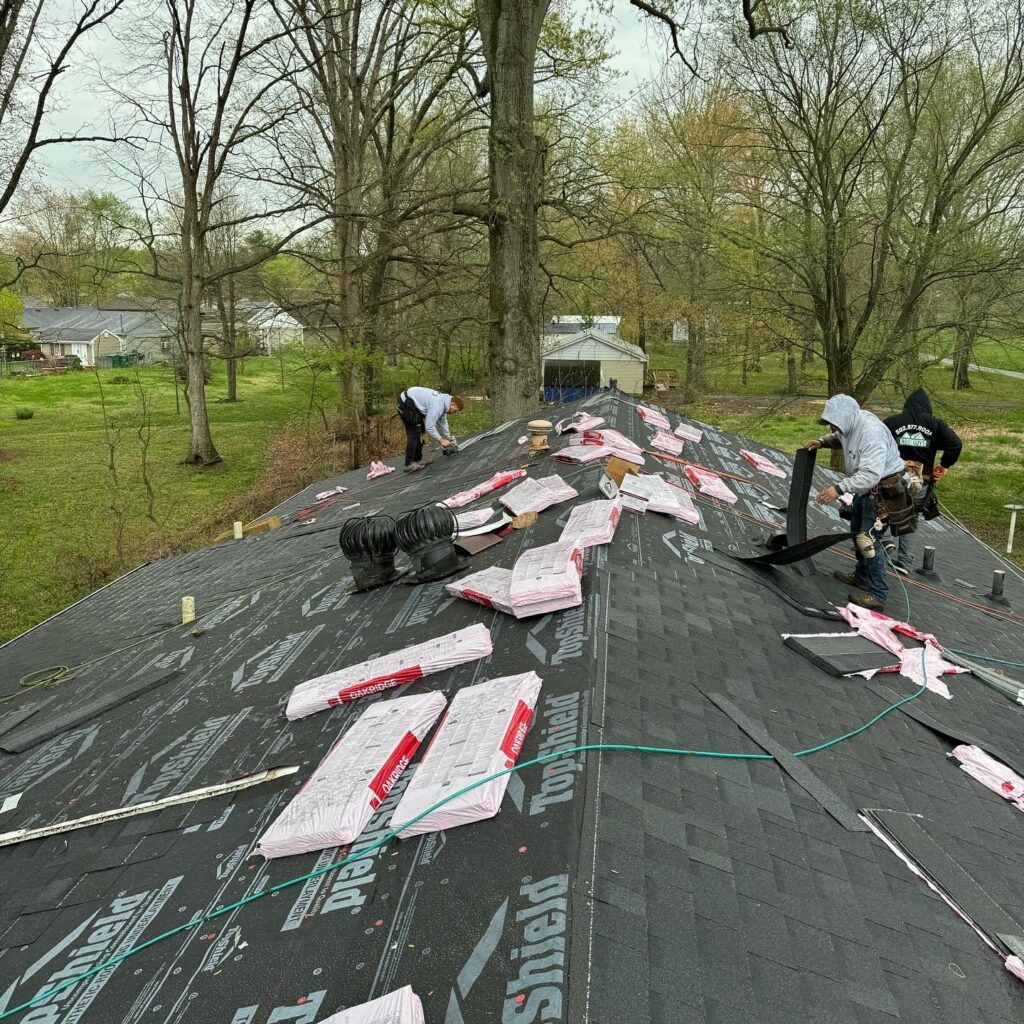
Do you think that your roof is completely waterproof? Many homeowners in Kentucky believe that, too. But what you see on the outside is only half the story. The actual defense against leaks happens in the underlying layers that people don’t invest in until it’s too late.
An ice and water shield stands between your roof and a four-figure repair nightmare bill. At Roof Guys, we have seen homeowners save thousands of dollars when weather elements put their roofing to the test.
As per Fortune Business Insights’ 2024 report, the global waterproofing membrane market, including ice and water shields, is projected to reach $47.7 billion by the year 2032. That makes it approximately 6% growth each year.
So what makes an ice and water shield so effective for roofing? This blog post will answer the most common questions.
How Does an Ice and Water Shield Work?
An ice and water shield is a peel-and-stick membrane made of polymer-modified bitumen or rubberized asphalt. Its purpose is quite simple! It forms a waterproof barrier against leaks seeping into your roof deck, even if the roof above is damaged, lifted, or compromised.
This shield sticks directly to the roof decking and forms a tight seal. It also boasts a self-repairing property around nail holes or fasteners. It really earns its keep in high-risk zones where precipitation tends to pool up, including roof valleys, eaves, skylights, and chimneys.
Unlike the popular felt paper that just delays moisture, an ice and water shield blocks it entirely. It’s flexible and tough enough to handle dramatic temperature changes. That makes it ideal for Kentucky’s climate, where you might be dealing with snow today, storms tomorrow, and who knows what next week.
The Right Way to Install Ice and Water Shield for Roofing
Installing an ice and water shield for roofing might sound simple, but it’s a detail-driven and precision-demanding process. The whole point is creating a watertight barrier, so every seam, overlap, and corner has to be perfect.
➔ Preparation
The roof deck must be completely clean, dry, and free from debris. Even a thin layer of dust can affect the adherence of the shield.
Then, measure and mark the key zones that are mostly vulnerable to water intrusion. These include the eaves, valleys, ridges, and areas around chimneys, vents, and skylights.
➔ Installation
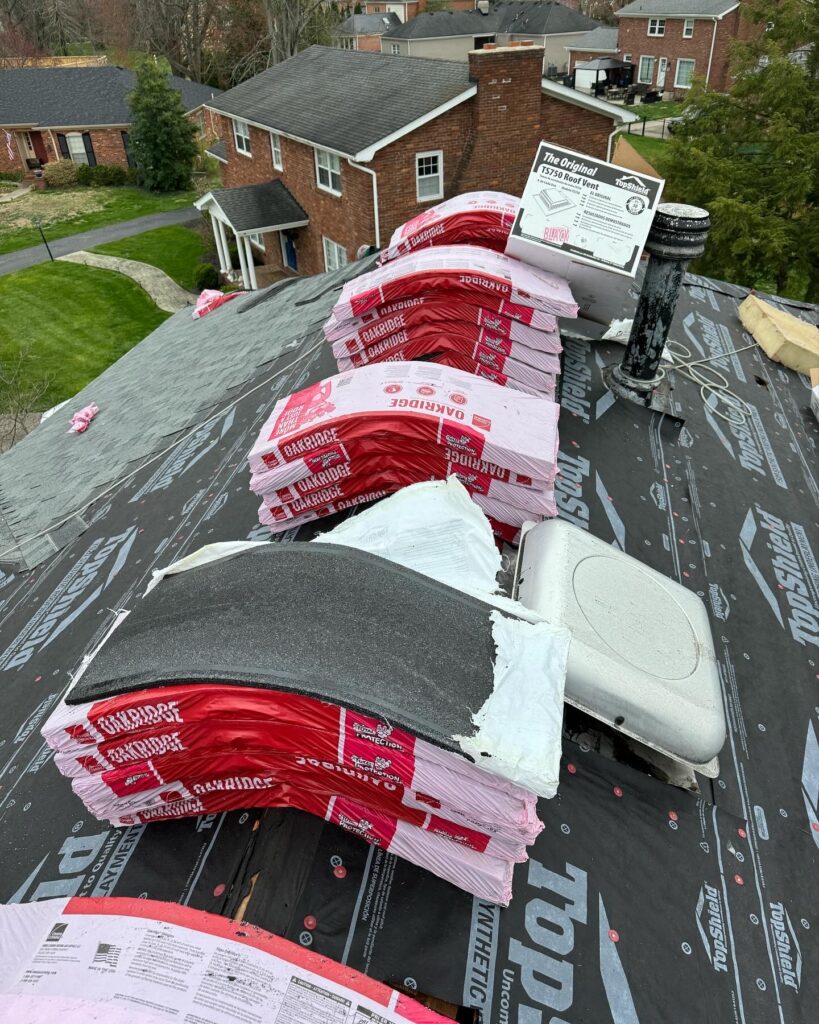
Next up, the installation begins at the eaves. The membrane gets unrolled first with its backing peeled away, then it’s firmly pressed into place. Each section overlaps the previous one by several inches for a watertight seal.
Additional layers often go around roof penetrations or in valleys for extra durability. Once the shield is in place, shingles or tiles go over it.
Professional roof installers sometimes use heat-assisted methods in cold climates. This helps the membrane adhere properly, though modern versions stick even at low temperatures.
In colder regions, contractors often extend the ice and water shield at least 24 inches past the interior wall line. This provides extra coverage where melting snow and refreezing ice leak the most.
Can You Install Ice and Water Shield Yourself?
You can install it yourself if you are familiar with roofing tools and techniques. Some experienced DIY homeowners attempt it too.
Just know that a single wrinkle, air bubble, or poorly aligned seam can compromise the entire waterproof barrier. Roofing professionals utilize specialized tools and techniques to ensure seamless adhesion, proper overlap, and complete coverage in high-risk areas.
They can also inspect for hidden deck damage before applying the membrane. DIY often misses this step, but it can make a huge difference when leaks show up down the line.
If your roof has multiple pitches, valleys, or existing damage, calling certified experts like Go Roof Guys is the safer bet.
Is Your Roof Ready to Handle Ice Dams This Winter?
Among all the things that can damage your roof, ice dams top the list.
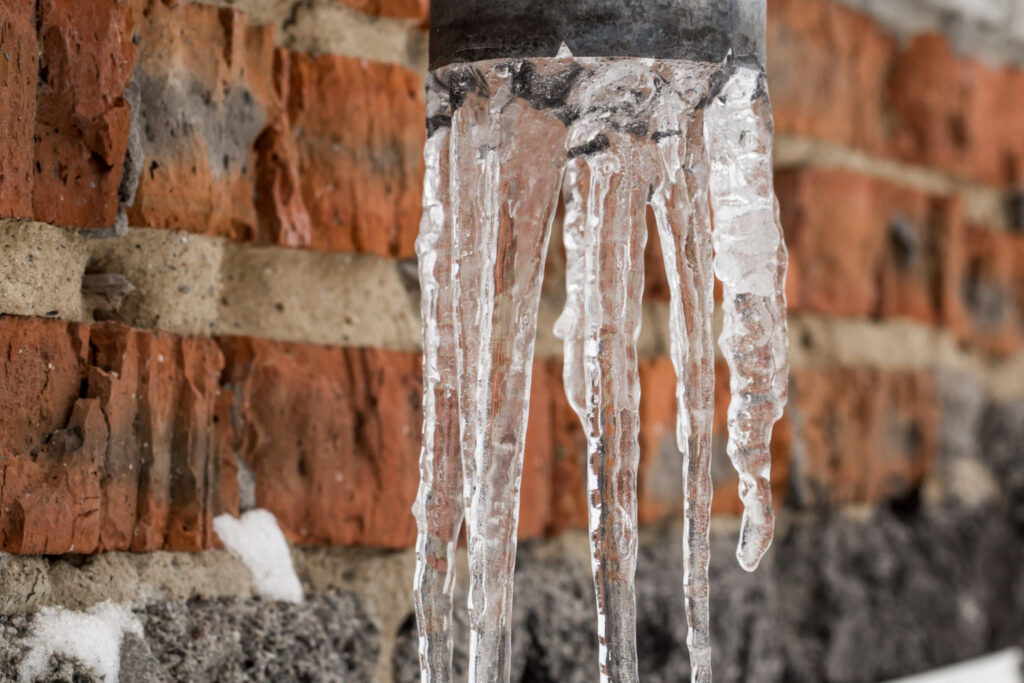
They form when snow melts on the warmer upper section of your roof, flows down, and refreezes at the eaves. Over time, that ice buildup traps water behind it.
With nowhere else to go, the water eventually starts to leak into your attic or ceiling. The trapped moisture soaks your insulation and stains your ceilings. It can even trigger wood rot or mold growth.
An ice and water shield prevents that by forming a watertight barrier beneath your shingles, blocking backed-up water from getting inside. So even if an ice dam forms, your roof remains leak-free.
An Insurance industry insights report states that ice dams cause hundreds of millions of dollars in property damage across the U.S. each year. Most of these cases can be easily prevented with an adequate roof barrier in place.
How Does Ice and Water Shield Prevent Leaks Before They Start?
The ice and water shield may look thin, but it punches way above its weight. Once it bonds to the roof deck, it functions as a waterproof membrane that stops leaks before they even start.
When a nail punctures this barrier, the rubberized asphalt material flexes and self-seals around it. This way, every nail becomes watertight. That’s something traditional underlayment simply can’t do.
This flexibility also allows the shield to move with your roof as temperatures swing throughout the year. When the wood beneath expands or contracts, the shield stretches along to maintain a tight seal through every freeze-thaw cycle.
Is It Time to Schedule an Ice and Water Shield Inspection?
While an ice and water shield for roofing is designed to go the distance, it’s not invincible. Age wears it down, sloppy installation can doom it from the start, and Kentucky’s severe weather takes its toll over the years.
Listed below are the five clear warning signs that your shield is past its prime:
- Water stains or leaks inside your attic or ceilings
- Lifting or curling shingles along the roof edges or valleys
- Frequent ice dams or leaks during snow melts
- Soft decking or sagging near eaves
- Visible cracks, bubbles, or peeling in the membrane during roof repairs
Once your roof crosses the 15-year threshold, or if you have been fighting the same leak problems season after season, schedule a roof inspection. It’s always better to catch issues early than deal with major damage later.
Final Thoughts
If you are unsure whether your roof has an ice and water shield or think yours may be damaged, we can help. At Roof Guys, we specialize in high-performance roofing systems designed to protect your home from the elements year-round.
Call us today at 502-977-7663 to schedule a service, or request your free quote online at GoRoofGuys.com.