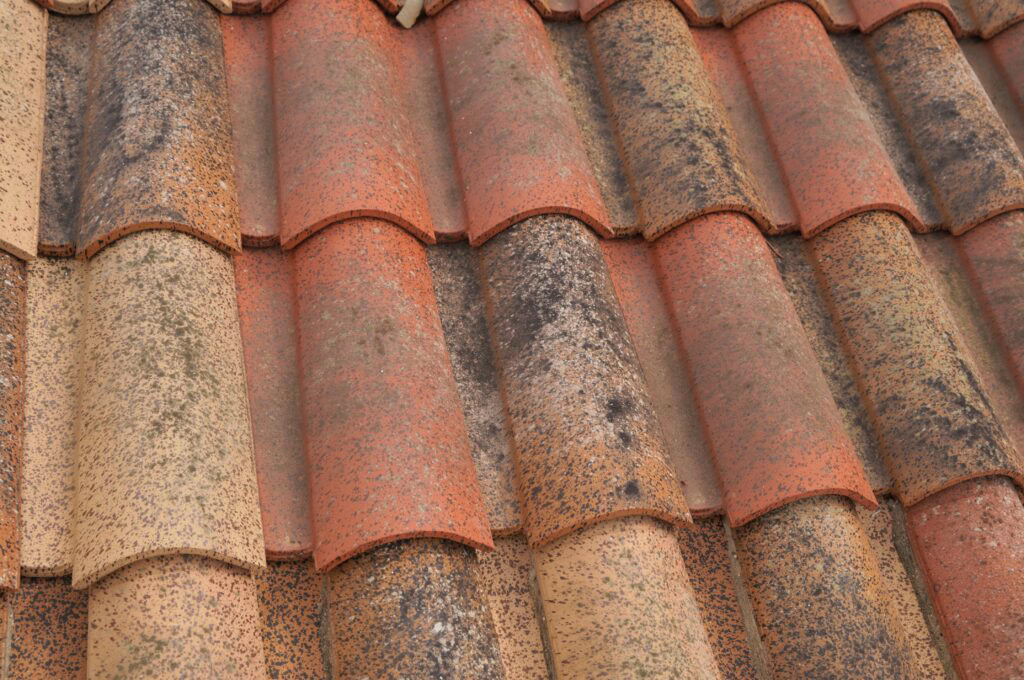
It’s never a good feeling to see something growing on your roof. When you look up from ground level, all you want to see is a bare roof with absolutely nothing on top.
If you do see something growing, it might be mold. Unfortunately, mold and other types of organic growth can be harmful to a roof over time, so this isn’t an issue that you can really afford to just ignore. This post will dive into the matter of how to deal with the problem of mold on your roof, so it doesn’t turn into a bigger problem than it needs to be.
What Causes Mold to Grow on a Roof?
Mold hates sun. But it loves moisture. Those two facts quickly give you a primer on the conditions that are needed for mold to thrive.
Mold often grows when there’s too much moisture on your roof. Leaks, old or damaged shingles, and clogged gutters can trap water and create the perfect environment for mold. Wet weather, high humidity, and poor roof ventilation also make the problem worse. Regular roof maintenance can help prevent mold from forming.
A roof surface that is regularly exposed to direct sunlight is not a candidate for mold growth. Even if there is moisture present, the power of the sun’s rays will just zap off any tiny areas of mold that do manage to get started. On a shady, north-facing roof surface, however, mold can run wild. With protection from the sun, and moisture coming from various natural sources, the conditions will be right for mold to spread.
A Primer on Mold, Algae, and Mildew
It should be said that not everything growing on your roof will technically be mold. Sometimes, it will be mold on roof – but in other cases, it could be algae or mildew. So, how do you know? The following clues can help.
- Mold growing on your roof will typically be black or green, and fuzzy in appearance
- You might think of algae as being green, but when it grows on your roof, it’s likely to look like black streaks
- Mildew will look similar to mold in many ways, but its color is more likely to be white or grey
The reality of the situation is that you can treat all of these kinds of growth roughly the same. There are some minor differences in how they behave and the damage they can do, but treatment and prevention strategies don’t vary a ton from one to another.
The Many Dangers of Roof Mold
You may be of the mind that you can just ignore this problem and assume it will go away. And, even if it doesn’t go away, does it really matter? After all, you aren’t going to be walking around on your roof, and you can barely see it from ground level, so who cares if some mold is growing up there?
Unfortunately, it’s not that simple. Some serious damage can be done by roof mold if it is allowed to grow unchecked.
First, it can damage shingles. It will gradually break down asphalt or wood over time, and the quality of your roof will decline rapidly.
You could wind up dealing with leaks that allow water to get inside the home, which will obviously come with very serious consequences.
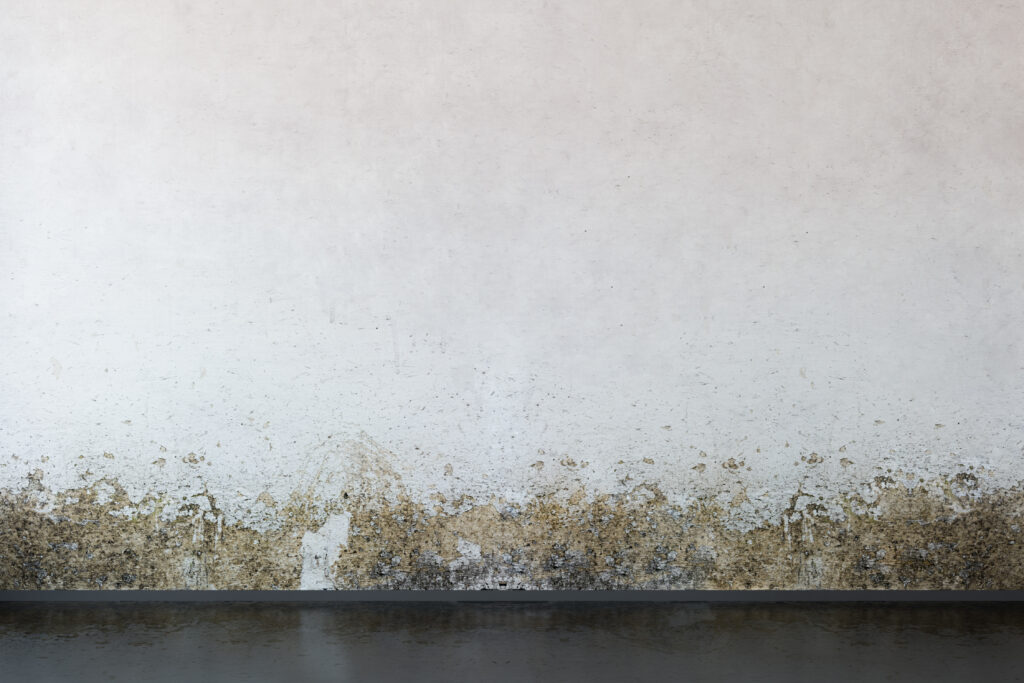
It’s also possible for this mold to spread indoors. If it isn’t treated properly and promptly, the mold may make its way in through vents or the attic. That can mean that your health will begin to decline, and you may experience things like persistent coughing, runny nose, itchy eyes, and more.
If you have noticed that you or others in your home are dealing with these kinds of symptoms without another obvious explanation, it could be that mold is to blame.
Remove Mold from Your Roof – Call Roof Guys
If you notice mold on your roof, it’s best to call roofing professionals to handle the cleanup safely and effectively.
There are several methods used to remove roof mold, depending on how severe the problem is.
These include- power washing, using a bleach and water solution, applying trisodium phosphate (TSP) mixtures, or using commercial roof cleaning products. A professional will know which method is safest for your roof type and can help prevent future mold growth.
How Much Does Professional Mold Removal Cost?
It’s a fair question, and one most homeowners want answered before they even pick up the phone. The honest answer is that it depends on how bad the problem has gotten and how hard your roof is to access, but there’s a rough range you can use to budget.
Professional mold removal on a roof typically runs somewhere between $1,000 and $4,000, and a job that’s been left untreated for a long time or covers a large area can push closer to $7,000, according to SERVPRO. A local quote will always be more accurate than any general number, but this should give you a realistic starting point.
Can You Remove Roof Mold Yourself?
Removing mold yourself is possible, but it’s worth thinking through first. Getting up on a roof comes with a real risk of falling, and without a pro’s training and safety gear, that risk climbs quickly.
If the patch is small and somewhere you can reach safely, a simple mix of equal parts water and bleach, sprayed on and rinsed off gently with a garden hose, can often do the trick. Just skip the pressure washer, since it can strip away shingle granules. For anything larger, higher up, or that keeps coming back, it’s a good idea to bring in a professional.
Does Homeowners Insurance Cover Roof Mold Removal?
Usually, no, if the mold is due to neglected maintenance, like a roof that should’ve been repaired or cleaned sooner. But if it followed a covered event, such as storm damage or a sudden leak, your policy may include the cleanup, according to SERVPRO. Since coverage varies by policy, a quick call to your agent will give you a clear answer.
Simple Steps to Prevent Mold from Returning
Once you have had mold removed from your roof, your attention should turn to preventing it from coming back. After all, removing the roof is a good step, but it doesn’t necessarily get to the heart of the matter. There were obviously conditions in place that permitted the mold to grow, and if those conditions remain the same, you can expect the mold to return.
If you have trees overhanging your roof, trimming those back would be a good place to start. This will cut down on the shade cover that your roof has, meaning more sunlight will be able to get through and wipe out any mold that tries to grow. Of course, tree limbs have a way of growing back, so this is a maintenance point that you will need to stay on top of over time so the conditions don’t swing back in favor of mold growth.
Another popular strategy is having zinc or copper strips installed near the ridge of the roof. When rain falls, the water that hits these strips activates the metal and releases ions. Those ions just so happen to inhibit the growth of mold and algae, so this can be a particularly effective tactic.
A combination of tree trimming and adding metal strips will make it far less likely that you’ll be back facing a mold problem again in the future.
Don’t Let This Problem Linger for Long
Getting professional help with your roof mold problems is the way to go. And, since you have landed here at Roof Guys, you’ve already found the partner you need for this job. To get started, just contact us now and learn more about this service from our friendly and experienced team. We look forward to getting started!