
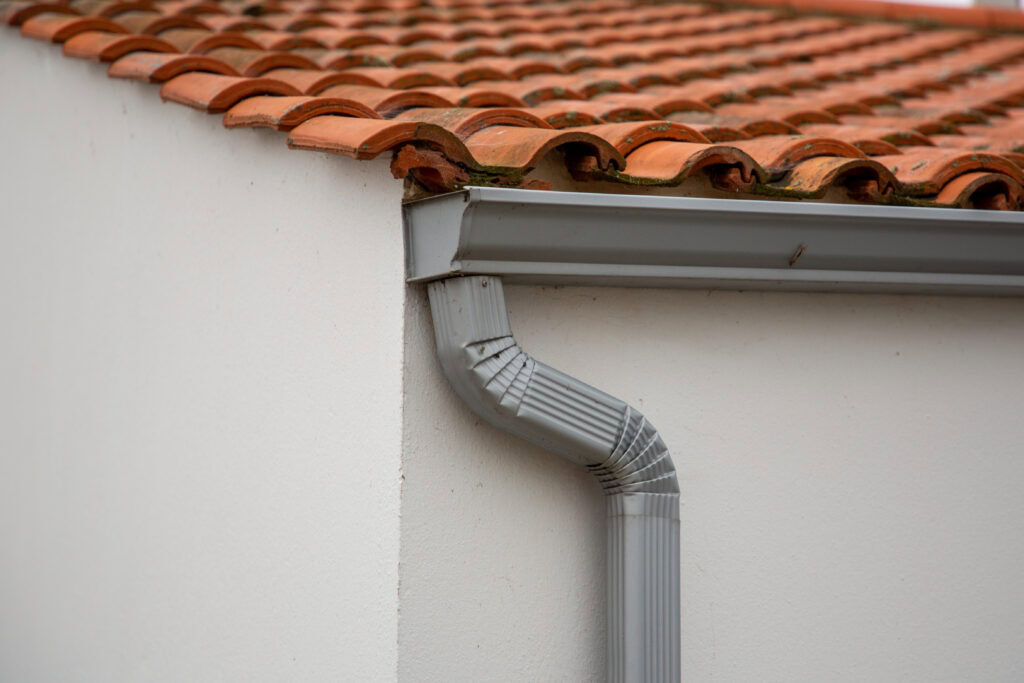
Your gutters won’t be the first thing that comes to mind when you look at your house, but they are very important to its protection. Gutters direct water away from your roof, walls, and foundation, keeping everything safe from broken walls, roof collapse, and foundation cracks, to basement flooding and rot.
When well-maintained, you do not even notice they are there. But when faulty, clogged, or old, they can lead to costly and serious issues. Knowing when to replace gutters and when to fix your gutters can assist you in making cost-effective, timely decisions that protect your home.
Why Gutters Matter
Before getting into when to repair or replace, it is worth appreciating the purpose of gutters in the first place. Gutters are designed to control the flow of rainwater off your roof, guiding it safely away from your home’s foundation, siding, and landscaping. Without them, heavy rain can damage siding, erode soil, flood basements, and even weaken a home’s foundation over time.
Well-maintained gutters defend not only your roofline, but your entire outside and the structure of the house. That is why it is so important to regularly inspect and make timely repair or replacement decisions.
Signs That It’s Time to Replace Your Gutters
Perhaps the most obvious sign that your gutters require repair is visible damage.
If your gutters are split at the seams, cracked, or sagging in the middle, it might be more than an appearance concern. Ongoing leaks or water collection around your foundation tend to be indicators of larger structural issues in your gutter system. In most instances, these are also warning signs that it is time to replace your gutters instead of patching them up once again.
Age is another major factor.
Most gutter systems last about 20 years, less if they are made from lower-quality materials like vinyl. If your gutters are approaching or surpassing this age and you are experiencing frequent issues, it is likely time to install a new system. Older gutters may also lack modern design improvements, such as seamless construction or upgraded brackets, which reduce leaks and improve longevity.
Corrosion is a more subtle warning, especially for homeowners with steel gutters. Rust can gradually consume the metal, ultimately causing holes and weakening seams. If you notice rust spots developing along your gutters or orange streaks where water runs down the siding, it is likely too late for spot repairs.
Another definite indicator that it is time to replace? Your gutters are getting pulled away from the house. This is usually a sign that the fasteners that secure them to the fascia wood are failing, or the fascia wood itself is rotten. Either situation is a structural problem that is more than simple maintenance.
Finally, if water is spilling over during rain, even after cleaning out the gutters, your system might be pitched improperly or undersized for your roof. Replacing the gutters with professionally installed, correctly sized versions can remedy the problem and avoid long-term damage.
When a Repair Might Be Enough
Not every issue requires a complete replacement. If your gutters are fairly new and in decent condition overall, localized repairs might just be enough.
Examples
- A tiny hole caused by rust can be caulked with gutter sealant. A loose bracket can be reattached or replaced. Even a removed downspout can be re-attached or re-directed.
- Removing clogs, especially during storms or in autumn, can also address most overflowing issues.
- If your gutters are damaged at the seams but otherwise in good condition, those seams are easy to reseal.
These types of repairs are cheap and can extend the life of your gutter system for years, especially if you take care of them going forward.
The trick is to act early. The longer matters are postponed, the greater the chances of water penetrating surrounding fascia boards, roofline, or even the interior of the home. Once those issues start, the entire system may be replaced with a more practical and cheaper long-term solution.
Can You Replace Gutters Without Replacing the Roof?
Absolutely. This is not unusual. Gutters and roofs work in concert to control rainwater, but they are two distinct systems. If your roof is still in good shape but your gutters are not working well, you do not need to wait for a roof replacement. You can and should replace only the gutters if they are allowing water issues.
Granted, there are occasions when managing both projects simultaneously makes good sense. When your roof is in its final stages of life and you are going to replace it in a year or two, it could make more sense to do them at the same time. Certain roofing can conflict with putting gutter brackets in place, and you do not want to jeopardize new gutters that have been installed by having old roof installation done on them in the future.
Nevertheless, if your gutters are sagging, cracked, or leaking currently, do not wait for a roof renovation in the future. Damage brought on by unchecked gutters, such as water in your basement or mold throughout your walls, is much more pressing.
Why You Should Call a Professional Gutter Contractor
Replacing or fixing gutters is simple, but it is not a homeowner’s task for the majority. Gutters are installed by measuring carefully, knowing about slope and pitch, and aligning properly so that water can flow correctly to the downspouts. Installation done incorrectly causes more problems than it solves.
A qualified gutter contractor can inspect your existing system, find trouble spots, and present alternatives based on your home’s design and requirements. They can also suggest modern improvements such as seamless aluminum gutters, larger downspouts to enhance flow, or gutter guards for reducing future clogs.
Using a licensed contractor also means that your gutters are securely fastened to fascia boards and meet local building regulations. Most companies will also offer material and labor warranties, so you know that your investment is secure.
If you are unsure where to start, Go Roof Guys is a trusted resource for gutter and siding repair or replacement. They can inspect your existing system and recommend the most cost-effective, long-term solution.
Final Thoughts
Your gutter system may not be a priority on your mind until it doesn’t work. By learning what the signs of wear are, acting ahead of time with repairs, and knowing when replacing is the wiser move, you can guard your home against expensive water damage and structural problems.
If your gutters are sagging, rusting, or no longer functioning well to handle water, do not wait. Call a reputable gutter contractor and request an inspection. Whether you require a minor repair or a complete overhaul, a healthy gutter system equals a healthy home.