
Did you know homes with lots of natural light can cut electricity use by up to 20 percent a year? Adding natural light makes a room feel alive and saves money on bills. Many people find it hard to choose between a skylight and a solar tube for their home.
Choosing the right lighting is key for looks and saving energy. Each choice has its own perks, based on your roof and design wishes. Knowing these differences helps you pick wisely for your home.
Whether you need to light up a dark hallway or highlight your living room, picking the right light is crucial. This guide will help you choose the best option for a bright and cozy home all year.
Understanding Natural Lighting Solutions
Modern homes use natural lighting to save energy and boost mood. By bringing the outdoors in, homes become more lively and inviting. Choosing the right light fixture depends on your needs and home style
What Is a Skylight?
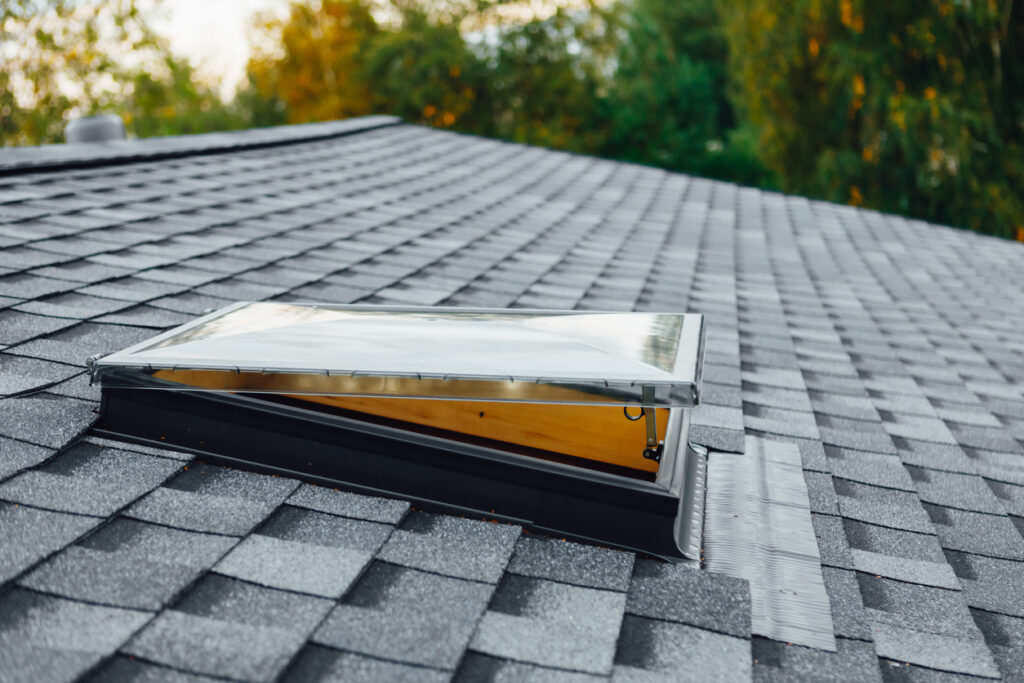
A skylight is a roof window that lets sunlight into your home. It serves as a direct light source, offering a view of the sky. Skylights add beauty and natural light to any room.
Skylights can be fixed or openable. Openable ones let in air, which is great for cooling in summer. They’re perfect for brightening up big rooms.
What Is a Solar Tube?
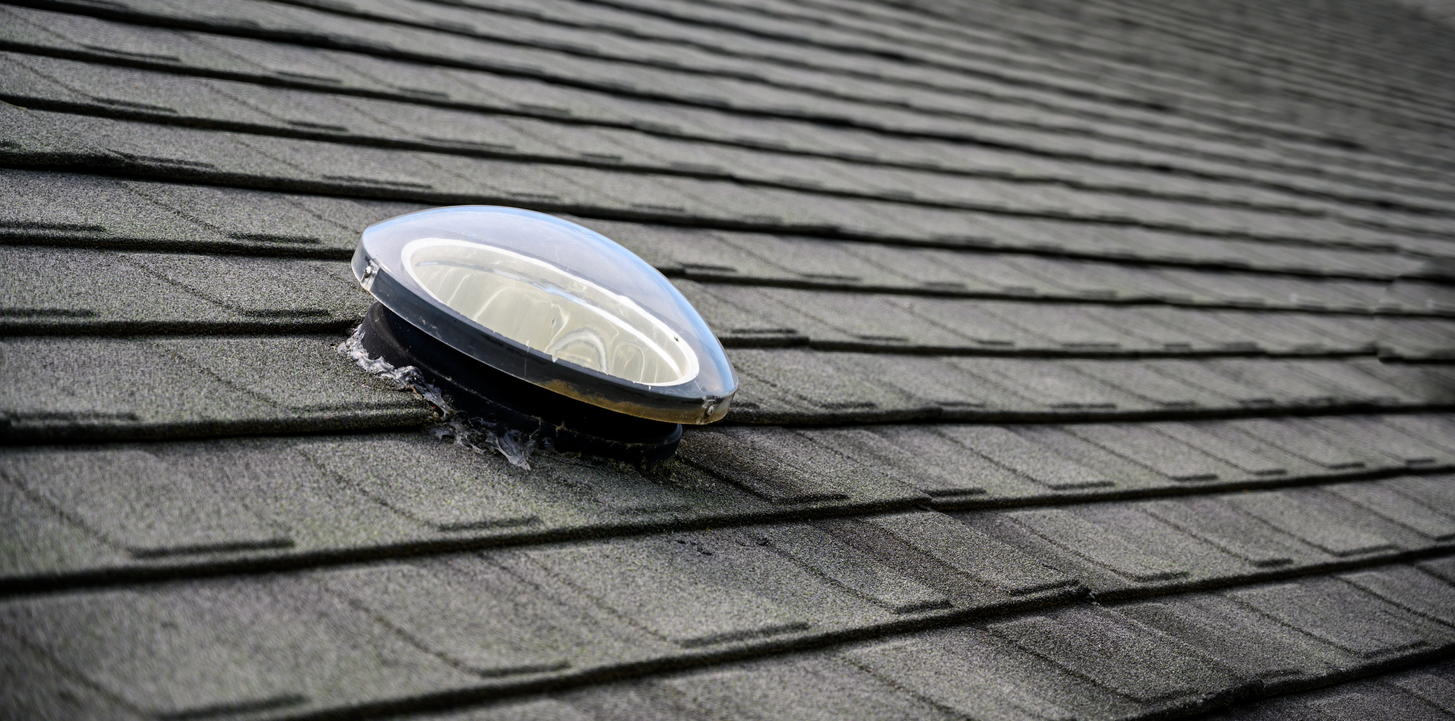
A solar tube, or tubular daylighting device, captures sunlight differently. It has a small roof dome that collects light and sends it through a reflective pipe. This is great for small spaces or where windows can’t fit.
These devices are great for lighting up hallways, bathrooms, or closets. They offer a steady light without the heat of big windows. Here’s a quick comparison of skylights and solar tubes for your home.
| Feature | Skylight | Solar Tube |
| Primary Function | Direct light and view | Focused light transmission |
| Installation Size | Large, requires framing | Compact, fits between rafters |
| Heat Transfer | Higher potential | Minimal |
| Best Use Case | Living rooms and kitchens | Hallways and small rooms |
Skylight vs Solar Tube: Head-to-Head Comparison
The debate between skylights and solar tubes often focuses on light quality and how they affect your home’s structure. Both systems aim to brighten dark areas, but they do it in different ways. The choice depends on your home’s design and what you want it to look like.
Light Output and Distribution
Skylights are like windows in your roof, offering a wide view of the sky and lots of natural light. They’re great for rooms where you want to feel connected to the outdoors. The light is strong and can be adjusted with blinds or shades.
Solar tubes, on the other hand, use a reflective pipe to bring soft, consistent light into a room. They’re perfect for hallways, bathrooms, or closets. Even though they don’t let you see the sky, they spread light well in small, enclosed spaces.
Installation Complexity and Roof Impact
Installing a skylight is a big job that needs cutting into the roof and framing the opening. It also involves drywall work and finishing around the light well. Because of the large opening, you’ll need a pro to make sure the roof stays dry.
Solar tubes, however, are much easier to install and fit between existing roof trusses. They only need a small hole, which lowers the risk of leaks and keeps the roof intact. This makes them a good choice for those who don’t want to mess with their roof too much.
Cost Considerations and Energy Efficiency
Skylights cost more to install because of the detailed framing and finishing work. You also need to think about how they might affect your energy bills. High-quality, energy-efficient glass can help but will add to the upfront cost.
Solar tubes are cheaper and save energy by covering less of the roof. They let in natural light without the heat transfer of big glass panels. This makes them a smart choice for cutting down on daytime artificial lighting.
Maintenance and Ventilation Capabilities
Skylights sometimes need cleaning to keep the glass clear. Some models also let you open them to let out heat or moisture. This makes them useful in kitchens or bathrooms where air flow is key.
Solar tubes, on the other hand, are easy to keep clean because the dome cleans itself when it rains. But, they don’t let in air, as they’re sealed systems for light only. Your choice depends on whether you want air flow or just easy, low-maintenance light.
| Feature | Traditional Skylight | Solar Tube |
| Light Quality | Direct, expansive | Soft, diffused |
| Installation | Complex, structural | Simple, non-structural |
| Ventilation | Available in some models | Not available |
| Maintenance | Requires glass cleaning | Self-cleaning dome |
Pros and Cons of Traditional Skylights
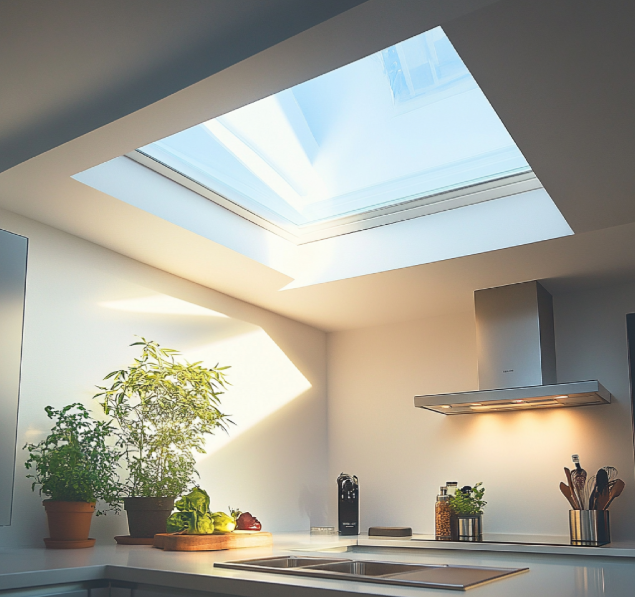
Traditional skylights bring natural light into your home, changing it for the better. They connect your indoor space with the outdoors. This lets sunlight in, making your home feel airy and open.
Advantages of Installing Skylights
Skylights offer a wide view of the sky, making rooms feel bigger and brighter. Many people say they boost their mood and work efficiency. Reading good skylight reviews can show you how much they can change your home.
These features also increase your home’s value. They become a key part of your home’s design, making it look better. Plus, they let in natural light, reducing the need for electric lights.
Potential Drawbacks of Skylights
However, there are things to think about before getting one. One issue is heat gain in summer. Without the right glazing, rooms can get too hot.
Also, you need a pro to install them to avoid leaks. Skylights need special care to keep water out. When choosing between a skylight and a roof window, remember skylights are made for roofs, needing careful installation.
Pros and Cons of Solar Tubes
It’s important to know the good and bad of solar tubes before deciding. These devices, also known as tubular daylighting devices, use a small dome on the roof to capture sunlight. They then send this light into your home through a reflective tube.
Many people pick solar tubes to brighten up dark areas. This could be hallways, bathrooms, or closets. By looking at these points, you can see if solar tubes fit your lighting needs.
Benefits of Solar Tube Technology
Solar tubes are great because they’re small. This makes them perfect for places where big skylights won’t fit. They need a tiny roof opening, which means they don’t mess up your roof too much.
They also don’t leak or cause roof problems like big skylights do. Plus, their inside lining reflects light well, even on cloudy days. This means your home stays bright.
Limitations of Solar Tubes
Even though solar tubes work well, they have some downsides. The biggest issue is they don’t let you see outside. The light they send down is diffused through a ceiling fixture.
Also, their light is more focused than what big skylights offer. This makes them better for task lighting or brightening specific rooms. They’re not for getting a wide view of the sky.
| Feature | Solar Tube | Standard Skylight |
| Installation Impact | Minimal | Significant |
| Outdoor View | None | Yes |
| Relative Solar tube prices | Budget-Friendly | Higher |
| Light Distribution | Localized | Broad |
When thinking about costs, remember solar tubes are cheaper than traditional skylights. This makes them a good choice for those wanting to save money and energy without a big renovation.
Installation: What to Expect
Bringing natural light into your home is a big step. First, a pro checks if your roof can handle the new skylight. They look for things like rafters, wires, or pipes under the roof deck.
Preparing Your Roof for Natural Lighting
The first step is to make a hole in your roof that won’t hurt your house. Workers mark the ceiling inside and then the roof. They take off shingles and the layer under them to get to the roof deck.
After cutting the hole, they put in a frame to hold the skylight. They also add flashing to keep water out. This helps prevent leaks and keeps your home dry all year.
Timeline and Professional Requirements
Installing a skylight usually takes one to three days. It depends on your roof and the skylight you choose. A pro will handle everything, from getting permits to cleaning up.
Remember, the cost of a skylight includes labor, materials, and finishing touches. The price changes based on:
- The size and type of skylight.
- How easy it is to get to the roof.
- If you need to change rafters or ceiling joists.
- Permits from your local government.
Choosing licensed pros means your work is covered and done right. They have the right tools and safety gear for any roof. This way, your skylight will last and make your home better for years.
Determining Which Option Is Right for Your Home
Choosing the right natural lighting solution depends on your home’s layout. Each house is different, affecting how light enters. By looking at your needs, you can pick the best skylight or solar tube for your home.
Assessing Your Architectural Style
Your roof structure is key when deciding between skylights and solar tubes. Skylights fit well in homes with vaulted ceilings or open floor plans. They add a large window look that many people love.
Solar tubes are better for homes with small attic spaces or complex roofs. They are compact and don’t need big changes to your roof. Think about your roof, attic space, and design preferences when choosing.
- The pitch and material of your current roof.
- The amount of available space in your attic or crawl area.
- Your preference for a direct view of the sky versus diffused light.
- The overall architectural theme of your interior design.
Matching Lighting Needs to Room Functionality
The room’s purpose guides your lighting choice. Skylights are great for living rooms, kitchens, and master bedrooms. They bring broad, ambient light and connect you to the outdoors.
For small, windowless areas like hallways, closets, or bathrooms, a solar tube is better. It provides focused light without the heat gain of big glass units. This ensures your home is comfortable and energy-efficient.
Addressing Common Questions About Natural Lighting
Before starting a home lighting project, it’s important to clear up common myths. Many people are concerned about the reliability and long-term effects of these systems. By addressing these worries, you can feel sure about your decision to brighten your home.
Do solar tubes work on cloudy days?
Solar tubes can capture sunlight even on cloudy days. They use reflective tubing to send light down into your home. This makes the most of the available light.
While the light might not be as strong on very cloudy days, it still makes a big difference. These tubes work well all day, even with small changes in the weather.
Do skylights cause roof leaks?
A well-installed skylight shouldn’t leak. Most leaks come from bad flashing or sealing during installation.
Getting a certified pro to install it is key to avoiding leaks. They make sure it fits right with your roof, keeping it dry for years.
How long does installation take?
The time it takes to install natural lighting varies. It depends on the project’s complexity and the type of unit. Solar tubes usually take just a few hours.
Skylights need more work, like cutting into rafters and finishing the drywall. You can expect a skylight installation to take one to two days, based on your roof’s needs.
Conclusion
Choosing between a skylight and a solar tube depends on your needs. Both can make dark rooms bright and lively. You need to think about the look of a big glass pane versus a small, efficient tube.
Getting it installed right is key. Good sealing and fitting into your roof are important. This stops leaks and keeps your roof safe. Working with experts means your home stays bright and comfortable for years.
Ready for a brighter home? Contact Roof Guys at https://goroofguys.com/ for a free roof check. They’ll help you pick the best natural light for your home.