
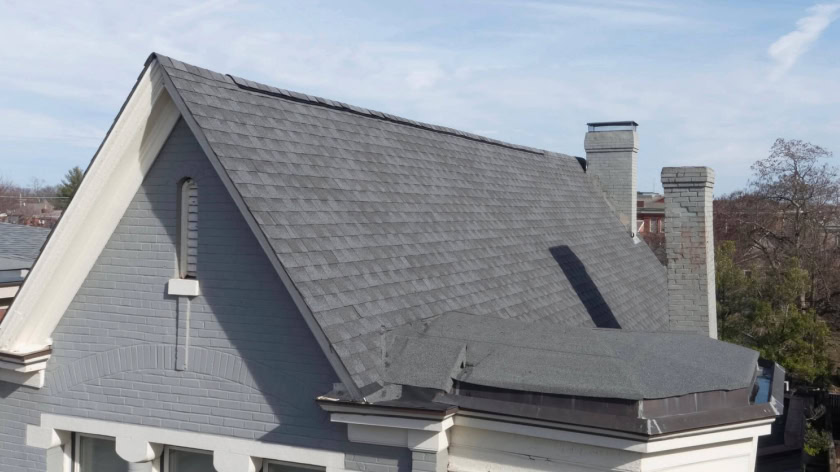
A new roof typically adds $10,000 to $20,000 to a home’s resale value, with sellers recouping roughly 60% to 70% of the project cost for asphalt shingles and up to 85% for metal roofing, according to national remodeling cost-versus-value data. The exact number depends on your home’s price point, the roofing material you choose, and how your current roof compares to what buyers expect in your neighborhood.
Beyond the dollar figure, a new roof removes one of the most common deal-breakers in a home inspection. Homes with an aging or damaged roof frequently trigger buyer requests for a price reduction or repair credit before closing — a cost that often exceeds what the seller would have spent replacing the roof outright.
Roof Replacement ROI by Material
Here’s how the most common roofing materials compare on installed cost, typical resale value added, and approximate return on investment:
| Material | Typical Installed Cost | Value Added at Resale | Approx. ROI |
| Asphalt shingles | $7,500 – $12,000 | $8,000 – $10,000 | 60% – 70% |
| Metal roofing | $12,000 – $20,000+ | $12,000 – $17,000 | 75% – 85% |
| Architectural/composite shingles | $9,000 – $15,000 | $9,500 – $12,000 | 65% – 75% |
| Slate | $20,000 – $40,000+ | Highly market-dependent | 80% – 100% (luxury/historic markets) |
Asphalt shingles remain the most predictable choice for standard resale markets because buyers and appraisers are most familiar with them. Metal roofing tends to post the strongest ROI where buyers value long-term durability and lower energy bills, though HOA restrictions in some neighborhoods limit this option.
Factors That Change the Math
A roof’s ROI isn’t fixed — it shifts based on a few conditions specific to your home and market:
Curb Appeal
A roof in visibly poor condition discourages buyers before they even step inside. But going too far the other direction — installing a premium material that clashes with the home’s style — can also raise questions about what else was ‘redone’ just to sell the house. The goal is a roof that looks intentional and well-matched, not the flashiest option on the block.
Age and Remaining Life of the Current Roof
If your existing roof still has several years of useful life left, replacing it early rarely pays for itself at resale. Most buyers are comfortable with a roof that has some life remaining; the value gain shows up mainly when the current roof is near or past its expected lifespan, or already showing damage.
Condition of the Rest of the House
A new roof helps most when it’s paired with a home that’s otherwise move-in ready. If a buyer has to budget for foundation, plumbing, or electrical work on top of your asking price, they’ll often negotiate the roof’s value right back out of the deal.
Repair vs. Full Replacement
Not every roof needs a full tear-off. If damage is limited, a targeted repair can protect the home’s value at a fraction of the cost of replacement — and signals to buyers that the home has been properly maintained rather than patched together at the last minute.
Frequently Asked Questions
Does a new roof increase appraisal value?
Yes, but usually not dollar-for-dollar. Appraisers factor roof condition and remaining service life into the home’s overall condition rating rather than adding the full replacement cost directly. A new roof can move a home from an “average” to a “good” condition rating, which supports a higher appraised value.
What roofing material gives the best return on investment?
Metal roofing typically posts the highest ROI (75–85%) due to its long lifespan and energy efficiency, though asphalt shingles remain the safer choice in neighborhoods where metal roofs are uncommon or restricted by an HOA.
Should I replace my roof before selling my home in Louisville or Cincinnati?
If your roof is near the end of its lifespan, showing visible damage, or likely to raise concerns during a buyer’s inspection, replacing it before listing is usually worth it — it removes a common negotiating point and can shorten time on market. If the roof still has significant life left, a professional inspection can confirm whether replacement or a smaller repair makes more sense for your situation.
Is a roof replacement tax deductible?
A roof replacement on a primary residence is generally not tax-deductible in the year it’s completed, but it can increase your home’s cost basis, which may reduce capital gains tax owed when you sell. A tax professional can confirm how this applies to your specific situation.
Get a Straight Answer for Your Home
Every home and roof is different, and the fastest way to know your real numbers is a professional inspection. Speak with Go Roof Guys and a local real estate agent to find out whether a full replacement, a repair, or holding off makes the most sense for your home’s value and your timeline.
Call Go Roof Guys in Louisville at 502-977-7663 or Cincinnati at 513-513-7663, or request a free quote to get started.