A roof design may not attract your interest as much as, for example, picking interior finishes or landscaping would, however, it is one of the most important decisions you will have to make when constructing or renovating your dream home.
A roof is not only the top part of your home, but it also protects against weather events, affects energy efficiency, and is one of the biggest contributors to the place’s amazing curb appeal.
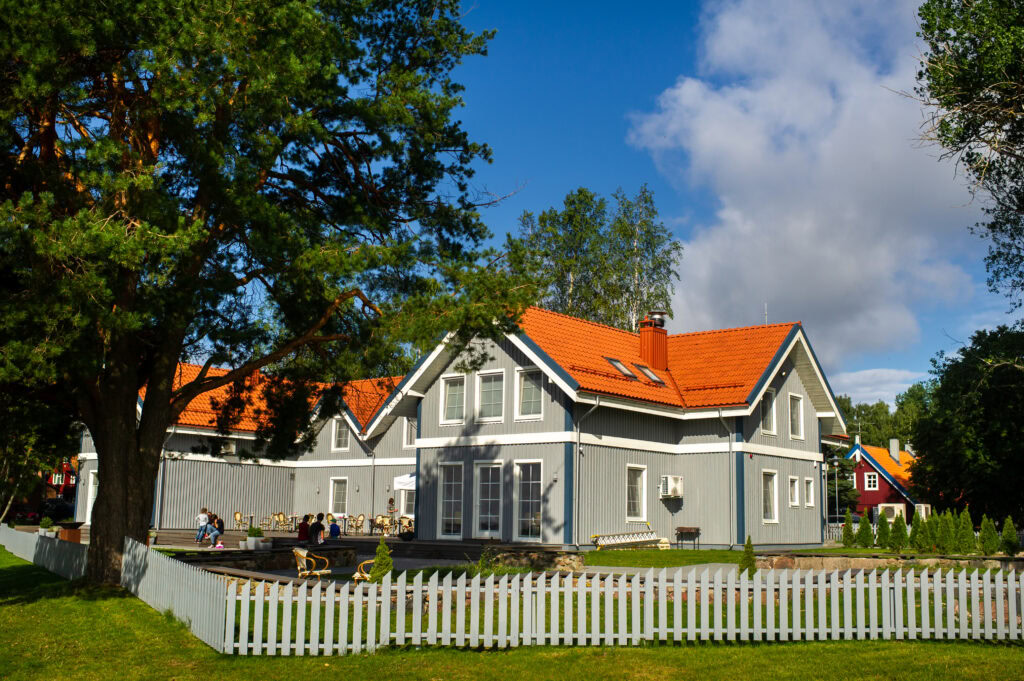
One of the most widespread roofing designs are hips and gables. They both possess distinct advantages and disadvantages.
What is a Hip Roof?
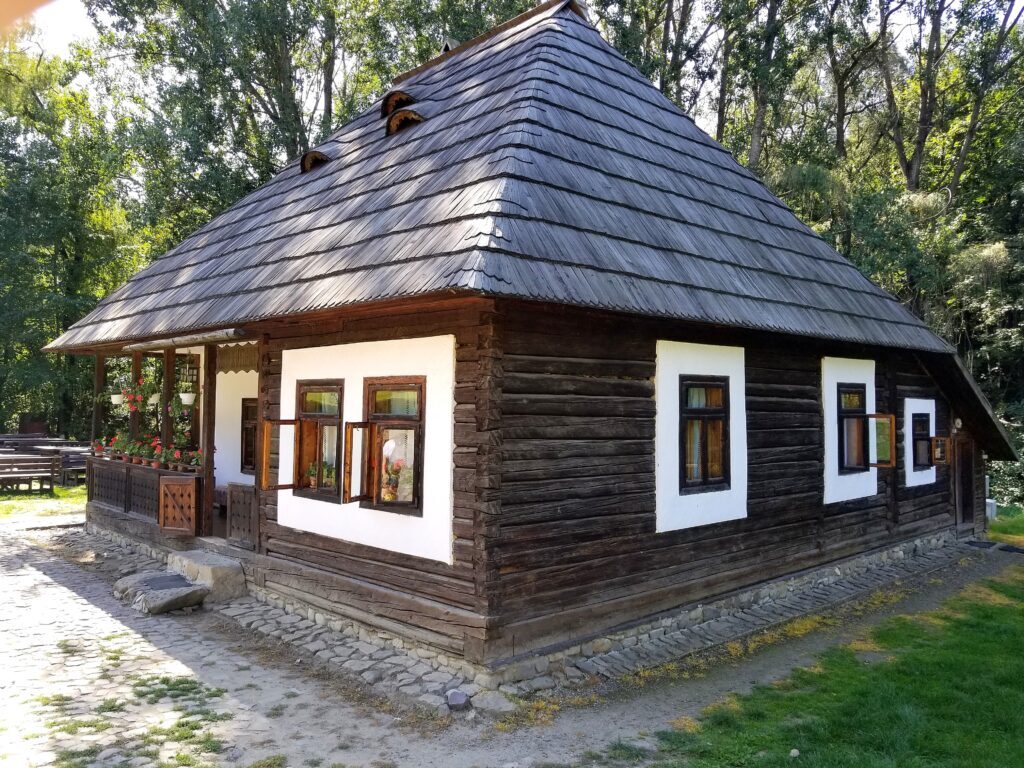
A hipped roof is a roof whose all sides come down to the walls, usually with a gentle pitch. Unlike a gable roof which only has two sloping sides and two vertical walls (called gables), a hipped roof has four sides sloped and no vertical ends.
This kind of roof is a favorite for both residential and commercial buildings due to its even eaves, refined symmetry, and higher wind resistance. The most outstanding feature of this roofing type is the fact that it is very stable, especially at the inward slope on all four sides, the reason why it is a smart choice for areas that regularly see strong winds and severe storms.
From a structural engineering perspective, hipped roofs are better at evenly distributing the load around the perimeter of the building. They exert less pressure on the walls, and they remain more resistant forcing against the wall during a storm.
That said, hip roofs can be more expensive to construct. They require a more complex truss system or more skilled labor for stick-framing, and they use more materials overall.
Common Types of Hip Roof Designs:
-
Simple Hip Roof:
This is the most basic type of hip roof, with four equal sides that slope downwards and meet at the top to form a ridge. It’s clean, symmetrical, and provides good stability in high winds.
-
Cross Hip Roof:
A cross hip roof is formed when two hip roof sections meet, usually at a right angle. It’s commonly seen on L-shaped homes and adds dimension to the overall roof design.
-
Hip and Valley Roof:
This style is used on more complex homes with multiple wings. It features multiple hips and valleys where roof sections intersect, making it ideal for large or uniquely shaped houses.
-
Dutch Gable Roof:
A Dutch gable roof blends a hip roof with a small gable at the top. This design adds extra attic space or ventilation and offers a stylish look with added functionality.
What is a Gable Roof?
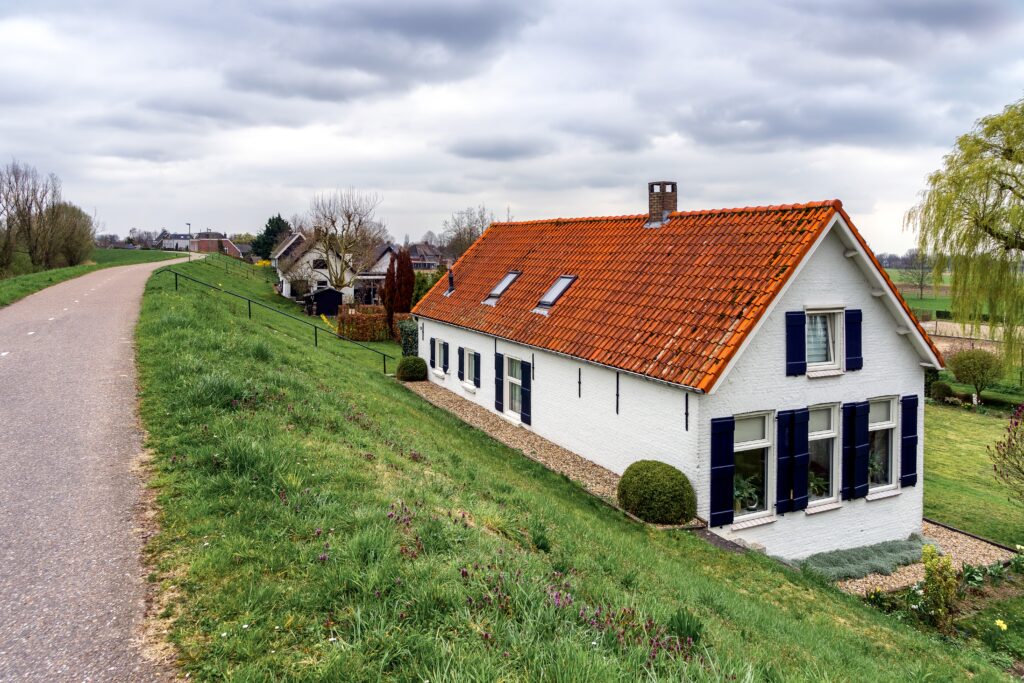
A gable roof is a basic and traditional style made up of two sloping surfaces that intersect at a central ridge. The vertical wall-shaped triangles at the ends are referred to as gables. It is one of the most effective types of roofs for drainage, ventilation, and construction cost.
Gable roofs are favored in cold and temperate zones due to their easy shedding of snow and rain. The style provides additional attic space, greater ventilation, and easier window or dormer installation to get natural light.
One of the advantages of a gable roof is that it is so simple. With fewer planes to the roof than a hip roof, a gable roof will normally need less material and less labor, so it is less expensive for homeowners.
There is one disadvantage to gable roofs: their vertical ends pick up the wind like a sail. In severe weather zones, they are more susceptible to damage from wind unless braced.
Common Types of Gable Roof Designs in California:
-
Classic Gable Roof
This straightforward style features two sloping sides that meet to form a triangle at the top. It’s one of the most common rooflines on homes across Kentucky and Ohio, valued for its clean look and its ability to shed rain and snow efficiently, which makes it a practical, budget-friendly choice for most residential builds in the Louisville and Cincinnati area.
-
Cross Gable Roof
A cross gable roof combines two or more gable sections that intersect, usually at a right angle. It adds depth and architectural interest and is a good fit for larger or L-shaped homes where a single straight ridgeline would look plain.
-
Front Gable Roof In a front gable layout, the pointed end of the roof faces the street. It’s a look you’ll often see on older Craftsman and Colonial-style homes throughout the region, and it lends strong curb appeal to houses with covered porches or prominent
-
Dutch Gable Roof
The Dutch gable roof places a small gable on top of a hip roof, blending the two styles. This hybrid opens up extra attic space and ventilation while keeping much of the hip roof’s wind resistance, a nice balance for homeowners who want both storage and durability.
Hip Roof vs Gable Roof: Key Differences
Now that we have looked at the definitions and types of each roof, let’s compare the two directly across important categories:
Hip Roof vs Gable Roof at a Glance
| Category | Hip Roof | Gable Roof |
|---|---|---|
| Upfront Cost | Higher | Lower |
| Wind Resistance | Better | Weaker (unless braced) |
| Snow Shedding | Slightly less efficient | Better |
| Attic Space | Less | More |
| Ventilation | Needs ridge/soffit vents | Easier with gable vents |
| Maintenance/Repairs | More complex, more valleys | Simpler, fewer weak points |
| Insurance Discounts | Often eligible for wind mitigation credits | Rarely qualifies |
1. Cost
Gable roofs are generally cheaper to build due to their straightforward design. They require fewer materials, simpler cuts, and less labor than hip roofs.
Hip roofs are more expensive in terms of materials and labor, though. Their additional complexity, especially in forms such as the cross-hip or Dutch hip results in a higher initial price.
Nevertheless, the lifespan value of a hip roof may be higher in high-wind areas, with the possibility of saving on repair costs or premiums on an insurance policy.
2. Structural Stability
Hip roofs are the obvious choice when it comes to wind resistance. The inward slope on all four sides makes them more streamlined, more evenly distributing stress, which makes them well suited to high-wind and storm-prone regions.
Gable roofs, though fully stable in moderate climates, can collapse if gable ends are poorly braced. Additional strengthening like collar ties, hurricane clips, or extra framing is usually recommended for high-wind areas.
3. Attic Space and Interior Volume
Gable roofs generally create more usable attic space. Their single ridge and vertical walls make them conducive to higher ceilings, storage space, or even complete second floor living spaces in steep-pitched configurations.
Hip roofs, with their four sloping sides, restrict the quantity of central overhead space. If vaulted ceilings or attic storage are priorities, a gable roof is generally the way to go.
4. Drainage and Water Management
Both roof types provide great water runoff as long as they are properly designed. Gable roofs shed water down two slopes, while hip roofs run water off all four sides, avoiding pooling and help in even roof material wear.
That being said, valleys in complex hip roofs (particularly cross-hipped) can be problematic areas if not properly flashed or serviced.
5. Ventilation and Natural Light
Gable roofs provide more airflow and ventilation through vents located in the gable ends. They are also easier to add dormers, skylights, and gable windows, which can make a huge difference in bringing natural light into the house.
Hip roofs tend to need ridge or soffit vents, which might not allow for as much airflow. Installing windows becomes more difficult unless you include gable elements or dormers.
6. Curb Appeal and Style Compatibility
This one is subjective, but significant. Gable roofs are clean, classic, and well-suited to traditional American home styles like Colonial, Cape Cod, and Craftsman.
Hip roofs, especially more complex ones present a sleeker European-inspired look. They suit Mediterranean, French Provincial, and even modern homes.
All roof styles can be designed to beautify your house’s exterior, but hip roofs usually give a more elegant, stately look, whereas gable roofs give a simplicity and symmetry.
7. Insurance Considerations
Roof shape can affect your insurance bill too. Because hip roofs handle high winds better, many insurers offer wind mitigation discounts for homes with one, especially in storm-prone regions.
Discount size varies by carrier and state, and some insurers require a wind mitigation inspection first. Gable roofs can qualify for smaller savings if the ends are reinforced with hurricane straps or extra bracing.
It’s worth asking your insurance provider what qualifies for a wind mitigation credit before finalizing your roof design.
8. Snow and Winter Performance
Wind isn’t the only weather factor to weigh, snow load matters too, especially for homeowners in the Louisville and Cincinnati area.
Gable roofs have a steeper pitch, so snow slides off more easily and adds less weight to the structure. Hip roofs hold onto snow a bit longer, so proper ice and water barriers along the eaves are essential.
Either roof works fine in snowy winters when built to code, but a gable design has a natural edge if fast snow shedding is a priority.
9. Maintenance and Long-Term Repair Costs
Upfront price is only part of the cost picture. Hip and gable roofs also differ in what they cost to maintain over time.
Hip roofs have more valleys where flashing can wear down, so repairs often take longer and cost more. Gable roofs have simpler lines, making inspections and patch repairs quicker and cheaper.
That said, unbraced gable ends can be more vulnerable to wind damage over time. Either way, an annual roof inspection catches small issues before they become costly.
Which Roof Should You Choose?
At the end, it comes down to where you live, your design preferences, budget, and future use of your home.
Choose a hip roof if:
- You live in a high-wind or storm-prone area.
- You want a low-maintenance, durable design.
- Curb appeal and architectural detail are high priorities.
- You’re okay with slightly less attic space.
Choose a gable roof if:
- You’re on a tighter budget.
- You want more attic storage or living space.
- Your area doesn’t experience high wind loads.
- Simplicity and clean lines match your home’s aesthetic.
Others even prefer to combine both styles with hybrid designs. A clipped hip or dormer gable roof can give way to attic space without sacrificing wind resistance. Similarly, a Dutch hip can enhance ventilation.
Final Thoughts
In the hip roof vs. gable roof debate, there is no universal solution. Both have advantages suited to certain climates, budgets, and appearance objectives. If you are constructing in an area of high winds or prefer uncluttered, symmetrical lines, a hip roof provides superior durability and visual appeal. If budget, attic storage, and simple ventilation are most desirable, a gable roof will be effective.
Consulting a knowledgeable roofer or contractor will guide you to customize your selection according to your location, house, and preferences.