If you are considering metal roofing and have existing asphalt shingles on your home, you have almost certainly encountered the question: can you put a metal roof over shingles? The idea is genuinely attractive — skip the costly, disruptive tear-off of the old shingles, reduce labor time, and still get the long-lasting metal roof you want. But the answer is not a simple yes or no. Whether installing a metal roof over shingles is the right decision for your home depends on the specific condition of your existing roof, your local building codes, the warranty implications of the installation method, and how the work is executed.
This guide addresses the full picture — the situations where metal roof over shingles is and is not appropriate, how the decision affects lifespan and warranty coverage, what problems can emerge later, and what the genuine benefits are when conditions support the approach.
When Installing Metal Roof over Shingles Is NOT a Good Idea
Before examining the benefits, it is worth being direct and thorough about the scenarios where metal roof over shingles is the wrong call. In these situations, the short-term savings from avoiding tear-off will cost you significantly more down the road.
1. More Than One Existing Shingle Layer Already Present
Most building codes based on the International Residential Code (IRC) permit a maximum of two total roofing layers on any residential structure. If your home already has two layers of shingles — a situation common in homes that have been re-roofed once previously without a full tear-off — adding metal on top creates a three-layer assembly that is not code-compliant. This situation requires a complete tear-off before any new roofing can be legally installed, regardless of material type.
2. Existing Moisture Damage, Rot, or Deck Failure
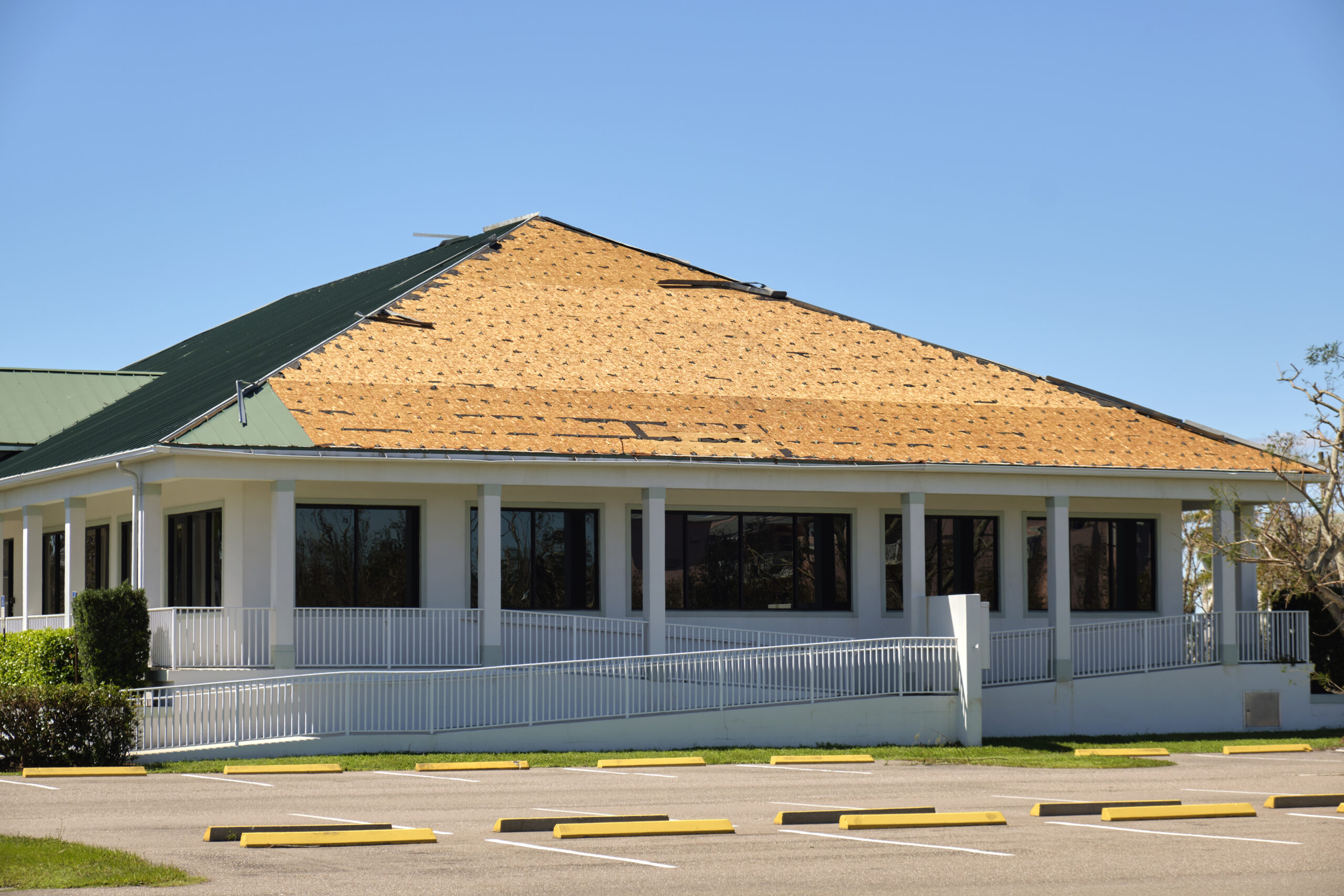
This is the scenario responsible for the most expensive failures when metal roof over shingles goes wrong. If there is any moisture damage, soft spots, active rot, or compromised areas in the existing shingle layer or — critically — in the roof deck (the plywood or OSB sheathing beneath the shingles), installing metal directly over the top seals that damage in place. It will continue to deteriorate in the dark, moist environment created between the trapped shingle layer and the metal above, eventually compromising the structural integrity of the roof framing from the inside without any visible external evidence until significant damage has already occurred.
A thorough professional inspection — including probing for soft spots, checking attic spaces for moisture staining or mold, and physically walking the roof surface to identify inconsistencies — is an absolute requirement before any roof-over decision is made.
3. Severely Uneven or Warped Existing Shingles
Metal roofing panels require a flat, consistent substrate for proper alignment, seam integrity, and secure fastening. Shingles that are significantly warped, cupped, buckled, or missing in spots create an irregular base that prevents proper metal panel installation. Gaps and irregularities in the substrate translate directly to gaps and irregularities in the metal panel assembly above — creating pathways for wind-driven water infiltration, increasing wind uplift vulnerability, and making a clean, properly sealed installation impossible.
4. Structural Load Concerns on the Existing Framing
While metal roofing is lighter per square foot than many alternative materials — typically 50–150 lbs per roofing square depending on the product — the combined weight of metal panels plus an existing shingle layer is greater than a fresh metal installation on a bare deck. For older homes, homes with any documented structural concerns, or homes in high-snow-load regions where roof framing may already be near its design load capacity, a structural engineering assessment is advisable before adding any additional weight to the system.
How Does Metal Roof over Shingles Affect Lifespan?
A properly installed metal roof over shingles that are in genuinely good condition can achieve the full expected service life of the metal system — 40 to 70 years for steel or aluminum products. The shingles underneath are sealed from weather exposure and contribute no ongoing protective function beyond serving as a substrate layer, but they do not inherently shorten the metal’s lifespan when all conditions are favorable.
The real risk is invisible deterioration that cannot be monitored or detected until it has already caused structural damage. Any moisture that enters the assembly — from a minor installation gap, temperature-differential condensation between the warm attic air and the cold metal surface, or a small slow leak that is not identified promptly — becomes trapped between the shingle layer and the metal above. Without access, ventilation, or drainage, this moisture sits against the wood deck and the back surface of the metal panels indefinitely. Wood rots; metal can corrode from beneath. Neither condition becomes visible from inside the home or from the exterior until significant structural deterioration has already occurred.
This dynamic is the fundamental reason why the condition assessment of existing shingles is so critical before committing to a metal roof over shingles installation. The decision is not binary — it requires a thorough, honest professional evaluation of what is actually under the surface.
How Does Installing Metal Roof over Shingles Affect the Warranty?
Warranty implications deserve serious, specific attention before any metal roof over shingles project moves forward — because the consequences of voided warranties can be both expensive and surprising.
Most metal roofing manufacturers include detailed installation requirements in their warranty documentation, and those requirements define what constitutes a valid installation for warranty purposes. Many manufacturers specify installation over a clean, properly prepared deck surface — and some explicitly state that installation over existing shingles is not a covered installation method, or that it voids the product warranty entirely.
Beyond the manufacturer warranty, building code compliance is directly relevant to homeowner’s insurance coverage. An installation that creates a code-violating three-layer assembly, or that is performed without obtaining the required local building permit, may give your insurance carrier grounds to deny claims related to the roof. This is not a hypothetical concern — insurance carriers routinely investigate the permit history and code compliance of roofing when processing significant claims.
Practical guidance: before approving any metal roof over shingles installation, obtain written confirmation from the specific metal roofing manufacturer that the planned installation method will be covered under their product warranty, and verify with your insurance carrier that the installation will maintain full coverage. Do not assume — verify both in writing before work begins.
Problems You May Face Later Even with a Proper Installation
Even when metal roof over shingles is performed under appropriate conditions by a qualified, experienced contractor, certain potential issues deserve acknowledgment:
- Trapped moisture and condensation: Seasonal temperature differentials between the exterior metal surface (which heats and cools rapidly) and the attic below can cause condensation to form on the underside of the metal panels or within the shingle layer. Over years, this accumulated moisture can cause deck deterioration independent of any external water infiltration event.
- Pest harborage in the shingle layer: The concealed gap between the old shingle layer and the new metal panels creates a protected, dark environment attractive to carpenter ants, wood-boring beetles, and other wood-destroying insects that will exploit any moisture-damaged wood within the assembly.
- Increased future removal complexity and cost: When this metal roof eventually reaches the end of its service life decades from now, the removal process will require stripping both the metal panels and the underlying shingle layer simultaneously — generating more debris, requiring more disposal cost, and taking more labor time than removing metal from a clean deck installation.
- Fastener length precision requirements: Installing fasteners through metal panels, through the full thickness of the existing shingle layer, and into the deck below requires precise fastener length selection for each specific combination of materials. Fasteners that are too short fail to achieve adequate pull-through resistance in the deck. Fasteners that are too long create compression damage in the shingle layer beneath, establishing stress concentrations and potential cracking at fastener locations.
What Are the Genuine Benefits of Metal Roof over Shingles?
With the risks and limitations clearly established, it is equally important to acknowledge that metal roof over shingles is a legitimate, widely practiced installation method that reputable contractors recommend under the right conditions. The benefits are real:
- Meaningful cost savings: Professional tear-off and disposal of existing shingles typically adds $1,000–$3,000 to a total roofing project cost, depending on roof size, number of layers, and local disposal fees. Eliminating this step produces immediate, concrete savings that make the total project cost noticeably lower.
- Faster project completion: Without tear-off, the installation crew can move directly into deck preparation and metal installation. The project is completed in less time, which means your home is exposed to weather during the open-roof phase for a shorter window.
- Reduced disruption to the home and property: Tear-off generates substantial noise, debris, dust, and disruption. A roof-over project is measurably cleaner and quieter — a real benefit for households with young children, pets, home offices, or landscaping close to the structure.
- Small additional thermal benefit: The existing shingle layer contributes a minor amount of additional thermal mass to the roof assembly, providing a small insulation benefit that is not significant enough to drive the decision but is a genuine side benefit.
- Fully appropriate when conditions are favorable: When an experienced contractor confirms a single existing shingle layer, a sound and dry roof deck, a consistent shingle surface compatible with the planned metal system, and local code compliance, a metal roof over shingles is a completely legitimate option. Many experienced contractors in appropriate situations recommend it without reservation.
Steps for a Proper Metal Roof over Shingles Installation
- Conduct a thorough professional inspection of the existing shingles and accessible deck areas, including physical probing for soft spots and attic inspection for moisture staining, mold, or insulation damage.
- Verify that only one existing shingle layer is present and that the planned two-layer assembly will comply with all applicable local building code requirements.
- Install a quality underlayment or slip sheet over the existing shingles to create a smooth, consistent surface for the metal panels and to prevent granule-to-metal contact that can accelerate corrosion.
- Select fasteners of the precise length required to achieve proper pull-through resistance in the deck through the specific thickness of the shingle layer being covered.
- Pay careful attention to ventilation detailing at eaves and ridges to minimize the risk of condensation accumulation within the assembly over time.
Conclusion
Can you put metal roof over shingles? Yes — under the right conditions, with the right contractor, and with a clear-eyed understanding of the warranty implications and code requirements. When existing shingles are in good condition, only a single layer is present, and the installation is executed correctly, a metal roof over shingles can deliver all of metal roofing’s performance advantages at a meaningfully lower total project cost.
When the conditions are not right — existing moisture damage, multiple layers, uneven surface, or structural concerns — a full tear-off and clean installation is the smarter long-term investment. The savings from skipping tear-off are real and tangible; so is the cost of resolving problems that develop in an installation performed under conditions that did not support it.
At Go Roof Guys, we provide honest, thorough assessments of whether a metal roof over shingles is the right call for your specific home — or whether a full tear-off and fresh installation is the better investment for your situation. Contact us today for a free professional consultation.