

Finishing a major exterior project feels like a massive weight off your shoulders. Protecting your property with a fresh top covering represents a significant investment for any American homeowner. You deserve peace of mind knowing the craft meets high professional standards.
However, the process doesn’t truly end once the crew packs up their ladders. Verifying the quality of a new roof installation is essential to avoid future headaches. Small errors left unchecked today can turn into costly leaks or structural issues tomorrow.
In this guide, we will walk you through critical visual cues and workmanship signs. Ensuring every shingle and flashing detail is perfect helps maintain your home’s integrity. Follow these steps to confirm your recent upgrade stands the test of time and weather.
Initial Walkthrough and Exterior Inspection
The initial walkthrough following a new roof installation is crucial for identifying potential issues early on. This step ensures that your new roof is properly installed and functions as expected.
Assessing the Roof Surface and Shingle Alignment
Begin by inspecting the roof surface to ensure that the shingles are evenly spaced and properly aligned. Check for any missing, damaged, or uneven shingles, as these can compromise the integrity of your roof. Verify that the shingles are securely fastened to prevent lifting or displacement due to wind.
Checking Flashing and Sealant Integrity
Flashing around chimneys, vents, and skylights plays a critical role in preventing water intrusion. Inspect the flashing to ensure it is securely attached and not damaged. Additionally, check the sealant around these areas to confirm that it is intact and not deteriorated.
Verifying Proper Drainage and Gutter Clearance
Proper drainage is essential for the longevity of your new roof. Ensure that the gutters are clear of debris and functioning correctly. Check that downspouts are securely attached and direct water away from the foundation to prevent water accumulation and potential damage.
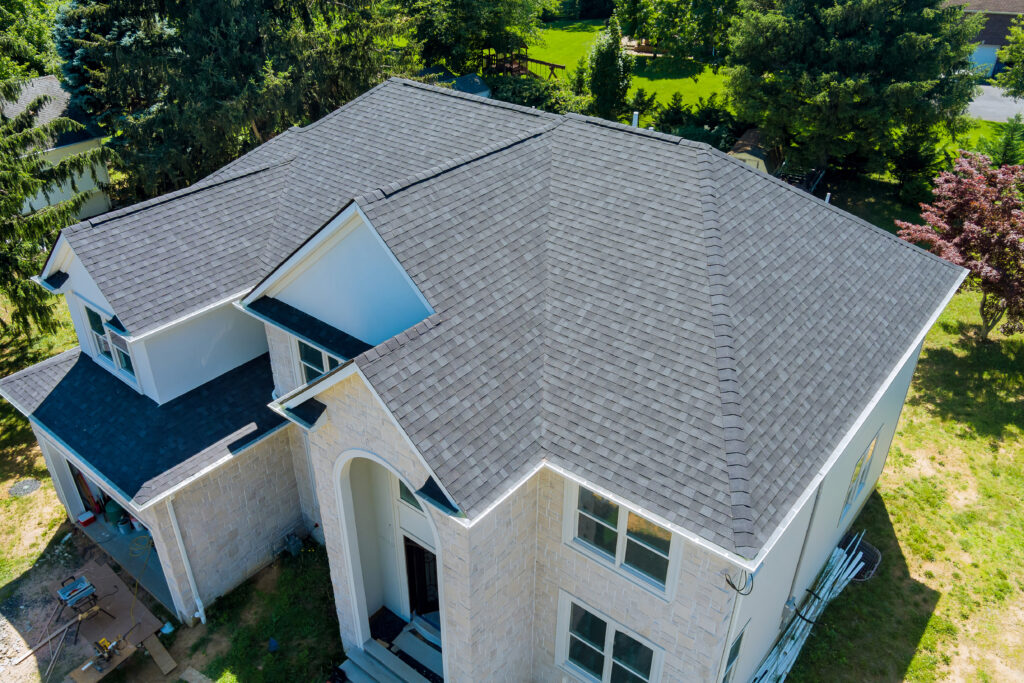
Evaluating the Quality of Your New Roof Installation
A thorough assessment of your new roof installation is necessary to guarantee its durability and performance. This step is crucial in identifying any potential issues that could lead to premature wear or failure.
Inspecting Roof Vents and Chimney Caps
Roof vents and chimney caps are critical components that ensure proper ventilation and prevent water intrusion. Check that these elements are securely fastened and functioning as intended. Look for any signs of damage or misalignment that could compromise their effectiveness in your new roof installation.
Identifying Signs of Poor Workmanship
Poor workmanship can lead to a myriad of problems, including leaks and structural damage. Be on the lookout for uneven or misaligned shingles, as these are common indicators of subpar installation. Ensuring that the workmanship is of high quality is vital for the longevity of your new roof.
Common Installation Mistakes to Watch For
Some common mistakes include inadequate flashing, insufficient sealant application, and improper nailing patterns. Verify that all flashing is properly secured and that sealants are applied correctly to prevent water intrusion during your new roof installation.
How to Spot Improper Nailing Patterns
Improper nailing patterns can significantly reduce the lifespan of your roof. Check for nails that are overdriven or underdriven, as well as those that are not placed according to the manufacturer’s specifications. This attention to detail is crucial after a new roof installation.
Confirming Cleanup and Debris Removal
After the installation, ensure that the site is thoroughly cleaned up and all debris is removed. This includes shingle scraps, packaging materials, and any other waste. A clean site is not only safer but also indicates a professional new roof installation job.
Interior Attic and Ceiling Checks
After completing the exterior inspection of your new roof installation, it’s crucial to inspect the interior attic and ceiling for any potential issues. This step is vital to ensure that your new roof is functioning as expected and to identify any problems early on.
Monitoring for Signs of Water Intrusion
One of the primary concerns after a new roof installation is the potential for water intrusion. Check your attic and ceiling for signs of leaks or water damage, such as water stains, warping, or mineral deposits. These signs can indicate that there’s an issue with your roof’s integrity or installation.
To inspect for water intrusion effectively:
- Look for any discoloration on the ceiling or walls.
- Check for sagging or uneven surfaces.
- Inspect the attic for any signs of moisture or water entry points.
Ensuring Proper Attic Ventilation
Proper attic ventilation is critical for the longevity of your new roof. It helps regulate temperature and moisture levels, preventing issues like ice dams in winter and excessive heat buildup in summer.
Why Ventilation Matters for Roof Longevity
Adequate ventilation extends the life of your roof by reducing the risk of moisture-related damage. It also helps in reducing energy costs by maintaining a more consistent temperature within your home. Ensure that your attic has sufficient vents and that they are not obstructed.
Checking for Structural Sagging or Unusual Noises
Finally, inspect your attic and ceiling for any signs of structural sagging or listen for unusual noises that could indicate a more significant problem. Sagging could be a sign of water damage or structural issues, while unusual noises might suggest that there are loose materials or other concerns.
By thoroughly inspecting the interior attic and ceiling, you can ensure that your new roof installation is successful and identify any potential issues before they become major problems.
Documentation and Warranty Management
A new roof installation is not just about the physical work; it also involves thorough documentation and warranty management. Properly handling these aspects is crucial for ensuring that you can enjoy your new roof without any unexpected issues or costs down the line.
Reviewing Your Contractor Paperwork
After the installation is complete, your contractor should provide you with comprehensive paperwork. This documentation should include details about the materials used, the scope of work, and any warranties or guarantees provided. It’s essential to review this paperwork carefully to ensure that everything is in order and that you understand what is covered.
Key documents to review include:
- Scope of work: This outlines what was done during the installation.
- Material certificates: These verify the quality and type of materials used.
- Warranty information: This details what is covered and for how long.
Registering Your Manufacturer Warranty
Many manufacturers require you to register your product to validate the warranty. This step is often overlooked but is crucial for ensuring that you can make claims if necessary. Registration processes typically involve providing the product serial numbers and proof of purchase.
Benefits of registering your warranty include:
- Validation of coverage
- Easier claims process
- Notification of any product recalls or updates
Understanding the Difference Between Workmanship and Material Warranties
It’s vital to understand that there are two types of warranties involved in a new roof installation: workmanship and material warranties. The workmanship warranty covers the quality of the installation work done by the contractor, while the material warranty covers the roofing materials themselves.
| Warranty Type | Covers | Typical Duration |
|---|---|---|
| Workmanship Warranty | Quality of installation work | 2-10 years |
| Material Warranty | Roofing materials | 20-50 years or more |
Understanding the distinction between these warranties can help you navigate any issues that may arise with your new roof, ensuring that you know who to contact and what is covered.
Conclusion
After completing a new roof installation, verifying that every aspect of the job is done correctly is essential. By following the steps outlined in the previous sections, homeowners can ensure their new roof is installed to last, providing years of protection and peace of mind.
Proper checks help identify potential issues early, allowing for timely corrective actions. Understanding your warranty coverage and maintaining detailed documentation are also crucial for protecting your investment in a new roof installation.
A well-installed new roof not only enhances the durability and performance of your roof but also safeguards your home against future damages. Regular checks and maintenance will ensure that your new roof continues to serve its purpose effectively.