Keeping your roof in good shape doesn’t always mean a full replacement. This guide explains how the best roof coatings can restore a sound roof, stop leaks, and improve energy performance, helpful information for homeowners and building owners weighing repair versus replacement.
Roof restoration uses a liquid-applied membrane to seal small cracks, block moisture, and extend a roof’s useful life without the cost and disruption of a tear-off.
Modern sealants reflect sunlight to reduce rooftop heat gain, which can lower cooling bills and make indoor spaces more comfortable. Applied correctly, a quality roof coating gives you a refreshed surface and reliable protection while avoiding the waste and noise of a full replacement.
Choosing one of the best roof coatings is also a greener option: it keeps usable materials out of landfills and stretches the lifespan of your existing roof structure. Read on to learn how coatings work, which types fit different roofs, and what questions to ask contractors, or jump to the FAQ for quick answers.
Why Coat Your Roof Instead of Replacing It?
Roof coating is an increasingly popular alternative to roof replacement, offering numerous benefits for property owners. By applying a protective layer to the existing roof, property owners can extend the roof’s lifespan, improve its energy efficiency, and enhance its overall appearance.
The process of coating a roof is not only cost-effective but also environmentally friendly, as it reduces the need for new materials and minimizes waste. This approach is particularly beneficial for roofs that are still structurally sound but have surface damage or wear.
The Restoration Advantage: Cost-Effective Protection
One of the primary advantages of roof coating is its ability to restore the roof’s protective capabilities without the need for a full replacement. This cost-effective protection is achieved by applying a layer that seals cracks, prevents leaks, and shields the roof from further damage caused by weather conditions.
By choosing roof coating, property owners can avoid the significant upfront costs associated with roof replacement. Moreover, the application process is generally quicker and less disruptive than a full replacement, minimizing downtime and allowing businesses or homeowners to continue their daily activities with minimal interruption.
Key Benefits of Roof Coating Systems
Roof coating systems offer a range of benefits that make them an attractive option for property owners. Some of the key advantages include:
- Extended roof lifespan
- Improved energy efficiency
- Enhanced roof appearance
- Reduced maintenance costs
- Environmental benefits
The following table summarizes the key benefits of different roof coating systems:
| Coating Type | Primary Benefits | Typical Lifespan Extension |
|---|---|---|
| Silicone | Excellent UV resistance, waterproofing | 10-15 years |
| Acrylic | Cost-effective, easy to apply, versatile | 8-12 years |
| Polyurethane/Polyurea | High durability, chemical resistance | 15-20 years |
By understanding the benefits and characteristics of different roof coating systems, property owners can make informed decisions about the best approach for their specific needs.

Choosing the Best Roof Coating for Your Property
The type of roof coating you choose can significantly impact the durability and performance of your roof, making it essential to consider your options carefully. Different coatings offer unique benefits and are suited to various roofing materials and environmental conditions.
Silicone Roof Coatings
Silicone roof coatings are known for their excellent waterproofing properties and durability. They are highly resistant to UV rays and can withstand extreme temperatures.
Pros: Highly durable, excellent UV resistance, flexible, and can be applied over various roofing materials.
Cons: Can be more expensive than other options, not suitable for foot traffic.
Best Applications
Silicone coatings are ideal for roofs exposed to heavy sunlight and extreme weather conditions. They are suitable for metal, concrete, and modified bitumen roofs.
Acrylic Roof Coatings
Acrylic roof coatings are popular due to their ease of application and cost-effectiveness. They provide a seamless, waterproof membrane.
Pros: Easy to apply, cost-effective, and can be tinted to reflect solar rays.
Cons: Less durable than silicone, may not perform well under heavy foot traffic.
Best Applications
Acrylic coatings are best for roofs that are not subject to heavy foot traffic and are exposed to moderate weather conditions. They are suitable for a variety of roofing materials, including asphalt, built-up roofs, and modified bitumen.
Polyurethane and Polyurea Roof Coatings
Polyurethane and polyurea coatings are known for their high tensile strength and resistance to abrasion and chemicals.
Pros: Highly durable, resistant to abrasion and chemicals, and can withstand heavy foot traffic.
Cons: More expensive than acrylic coatings, requires specialized application equipment.
Best Applications
These coatings are ideal for roofs that experience heavy foot traffic or are exposed to chemicals and abrasive conditions. They are suitable for a variety of roofing materials, including metal and concrete.
Matching Coating Types to Your Roof Material
Choosing the right coating involves considering the type of roofing material. Here’s a summary:
| Roof Material | Recommended Coating |
|---|---|
| Metal | Silicone, Polyurethane, Polyurea |
| Asphalt/Built-up Roofs | Acrylic |
| Concrete | Silicone, Polyurethane, Polyurea |
| Modified Bitumen | Silicone, Acrylic |
Cost Analysis: Investment and Long-Term Value
The cost of roof coatings varies based on the type, application complexity, and roof size. While some coatings may be more expensive upfront, their durability and performance can offer long-term savings.
Here’s a comparative cost analysis:
| Coating Type | Cost per Square Foot | Lifespan |
|---|---|---|
| Silicone | $1.50 – $3.00 | 15-20 years |
| Acrylic | $0.75 – $2.00 | 10-15 years |
| Polyurethane/Polyurea | $2.00 – $4.00 | 20+ years |
The Application Process Explained
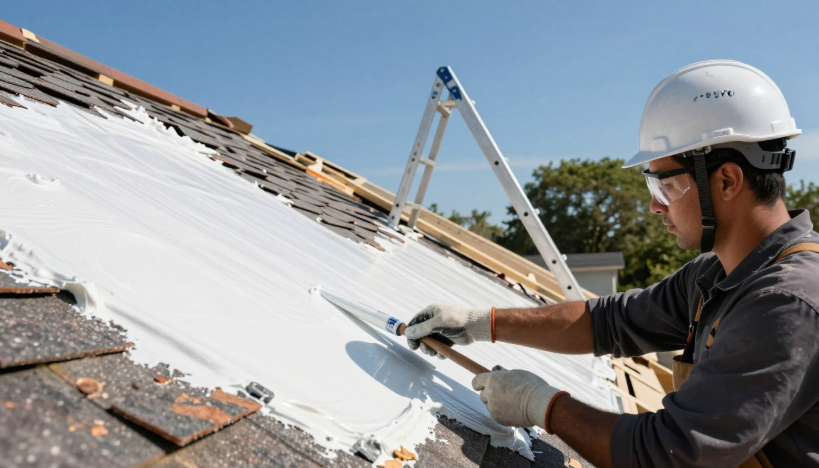
The application process involves cleaning the roof surface, repairing any damages, and applying the coating according to the manufacturer’s instructions. It’s crucial to ensure the roof is dry and free of debris before application. Professional installation is recommended to ensure the coating is applied correctly and performs as expected.
Conclusion
Restoring your roof with a high-quality coating is a practical and cost-effective solution that extends its lifespan and enhances its performance. By understanding the different types of roof coatings available, such as silicone, acrylic, polyurethane, and polyurea, you can make an informed decision that suits your property’s specific needs.
A well-chosen roof coating not only protects your roof from environmental elements but also improves energy efficiency and reduces maintenance costs. When selecting the best roof coating, consider factors such as your roof material, climate, and budget to ensure a successful application.
In conclusion, a roof coating conclusion is that it’s a viable alternative to replacement, offering numerous benefits and long-term value. This best roof coating summary highlights the importance of choosing the right coating for your property, ensuring a durable and efficient roofing system.