
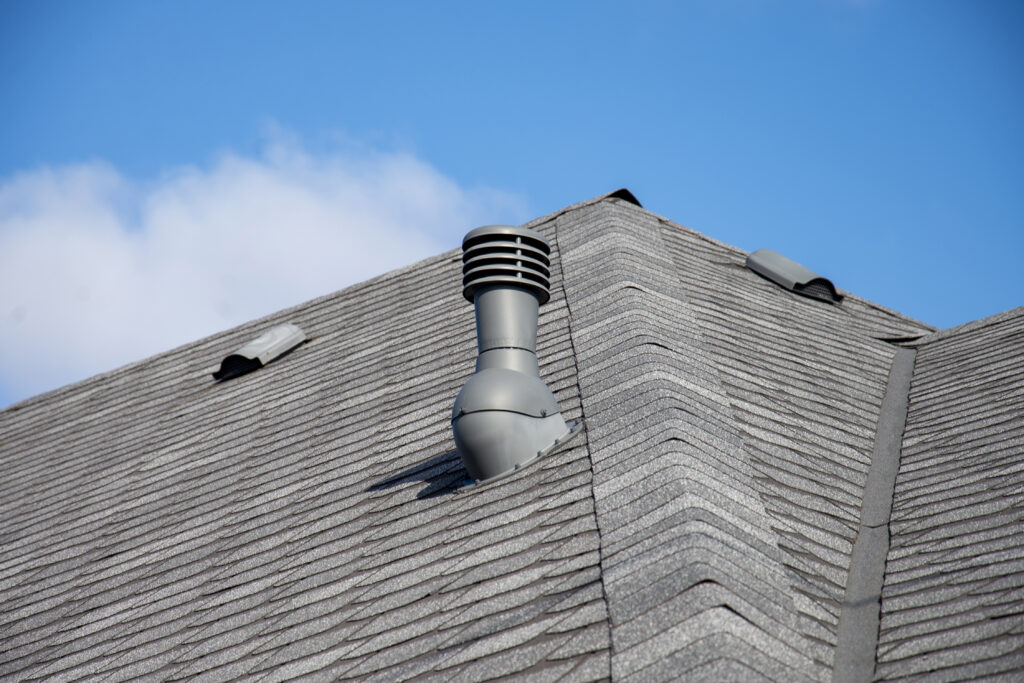
Have you ever wondered why the top of your house needs to breathe? Just like people, a building requires fresh air to stay healthy and functional. Without proper attic ventilation, heat and moisture can build up, causing damage to your building materials.
Installing a roof ridge vent is a smart way to manage this airflow naturally. This system allows hot air to escape from the highest point of the property. By doing so, it helps maintain a stable temperature inside your living spaces throughout the year.
Improving your home’s energy efficiency often starts at the top. When you allow the upper space to cool down, your cooling system works much less. This simple change protects your shingles and lowers your monthly utility bills.
Protecting your investment means looking at small details that make a big impact. A smart setup ensures that stale air moves out while fresh air flows in. Maintaining a healthy home is more manageable when you prioritize these vital components.
Why Your Roof Needs Proper Ventilation
The importance of roof ventilation cannot be overstated, as it plays a pivotal role in regulating attic temperatures and preventing moisture buildup. Proper ventilation is essential for the health and efficiency of a home, impacting everything from energy costs to the longevity of roofing materials.
The Science of Roof Breathing
Roof breathing, or the process of allowing air to circulate through the attic space, is crucial for maintaining a balanced temperature within the home. In the winter, it helps to prevent the buildup of moisture that can lead to ice dams and structural damage. In the summer, it aids in reducing the temperature in the attic, which can become scorching hot and increase cooling costs.
The science behind roof breathing is based on the principle that warm air rises. As heated air from the living spaces below rises into the attic, it must be replaced by cooler air from outside. This circulation helps to regulate attic temperatures, reducing the strain on heating and cooling systems and preventing the degradation of roofing materials.
| Season | Issue | Benefit of Proper Ventilation |
|---|---|---|
| Winter | Moisture buildup, Ice dams | Prevents structural damage, Reduces risk of ice dams |
| Summer | High attic temperatures | Reduces cooling costs, Extends roofing material lifespan |
Consequences of Poor Attic Ventilation
Poor attic ventilation can lead to a myriad of issues, including increased energy costs due to the strain on heating and cooling systems. It can also cause roofing materials to degrade more quickly, leading to premature replacement costs. Moreover, trapped moisture can result in mold and mildew growth, posing potential health risks to occupants.
The consequences of neglecting attic ventilation are not just financial; they also impact the comfort and health of a home’s inhabitants. By ensuring proper roof ventilation, homeowners can avoid these issues and create a more sustainable living environment.
How Roof Ridge Vents Work and Their Benefits
Roof ridge vents play a vital role in maintaining a healthy roof ecosystem, and their functionality is rooted in simple yet effective principles. By understanding how they work, homeowners can appreciate the importance of proper attic ventilation.
The Mechanics Behind Ridge Vent Technology
The operation of roof ridge vents is based on fundamental principles of physics and airflow dynamics. At its core, a ridge vent works by allowing the natural convection of air to exhaust hot air from the attic.
Natural Convection and Airflow Principles
Natural convection occurs when warmer air rises and is replaced by cooler air. In the context of attic ventilation, this means that as the air near the roof heats up, it becomes less dense and rises towards the ridge vent.
Key factors influencing natural convection include:
- The temperature difference between the attic air and the outside environment
- The design and installation of the ridge vent
- The overall ventilation strategy of the roof
Continuous Exhaust System
A ridge vent provides a continuous exhaust pathway along the peak of the roof, allowing for a consistent and efficient removal of hot air from the attic. This continuous system ensures that there are no gaps or interruptions in the ventilation pathway.
The benefits of a continuous exhaust system include:
- Reduced heat buildup in the attic
- Lower risk of moisture accumulation
- Improved overall energy efficiency
Key Benefits of Installing a Ridge Vent
Installing a roof ridge vent can have numerous benefits for homeowners, ranging from improved energy efficiency to extended roof lifespan.
Energy Efficiency and Lower Cooling Costs
By reducing the temperature in the attic, roof ridge vents can help lower cooling costs during the warmer months. This is achieved by minimizing the amount of heat that is transferred into the living spaces below.
The energy efficiency benefits of ridge vents include:
- Reduced cooling costs
- Lower energy consumption
- A more comfortable indoor climate
Extended Roof Lifespan and Moisture Control
Ridge vents also play a crucial role in controlling moisture levels within the attic. By removing hot, moist air, they help prevent the formation of ice dams and reduce the risk of roof damage.
The benefits of moisture control through ridge vents include:
- Extended roof lifespan
- Reduced risk of ice dams and related damage
- Prevention of mold and mildew growth
Comparing Ridge Vents to Alternatives and Installation Considerations
To ensure optimal attic ventilation, it’s essential to understand the differences between ridge vents and other ventilation types. This comparison will help homeowners make informed decisions about their roof’s ventilation needs.
Ridge Vents vs. Other Ventilation Types
Ridge vents are a popular choice for attic ventilation, but they are not the only option. Other ventilation types, such as box vents and turbine vents, also have their advantages and disadvantages.
Box Vents and Turbine Vents
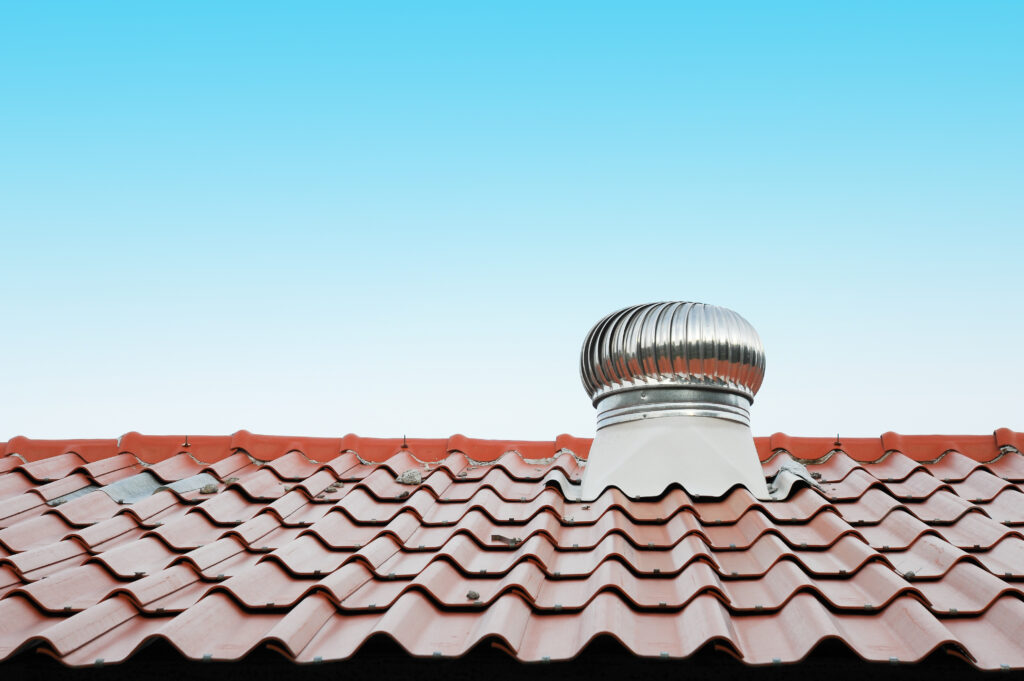
Box vents and turbine vents are two common alternatives to ridge vents. Box vents are simple, static vents that allow hot air to escape from the attic. They are relatively inexpensive and easy to install but may not be as effective as ridge vents in terms of overall ventilation.
Turbine vents, on the other hand, use wind power to draw hot air out of the attic. While they can be effective, their performance is dependent on wind conditions, which can be unpredictable.
| Ventilation Type | Effectiveness | Cost | Installation Ease |
|---|---|---|---|
| Ridge Vents | High | Moderate | Easy to Moderate |
| Box Vents | Moderate | Low | Easy |
| Turbine Vents | Variable | Moderate | Moderate |
Powered Attic Fans
Powered attic fans are another option for attic ventilation. These fans are electrically powered and can be more effective than passive ventilation systems in certain situations. However, they consume energy and may increase utility bills.
Cost and Installation Details
The cost and installation details of ridge vents are crucial considerations for homeowners. Understanding these factors can help homeowners budget and plan their ventilation project.
Average Installation Costs
The average installation cost of ridge vents varies depending on factors such as roof size, material, and location. On average, homeowners can expect to pay between $300 and $1,000 for a ridge vent installation.
Professional Installation vs. DIY Approach
While some homeowners may consider a DIY approach to installing ridge vents, professional installation is generally recommended. Professionals have the necessary experience and expertise to ensure a proper installation, which is critical for optimal performance.
Common Myths and Troubleshooting Tips
Despite their benefits, ridge vents are sometimes misunderstood. Addressing common myths and troubleshooting tips can help homeowners get the most out of their ridge vent system.
Debunking Ridge Vent Misconceptions
One common myth about ridge vents is that they are prone to leaks. However, when installed correctly, ridge vents are designed to be watertight and can withstand various weather conditions.
Maintenance and Performance Issues
Regular maintenance is essential to ensure the optimal performance of ridge vents. Homeowners should inspect their ridge vents periodically to check for debris, damage, or other issues that may impact performance.
Conclusion
A well-functioning roof ridge vent is crucial for ensuring proper attic ventilation and energy efficiency in your home. By allowing hot air to escape from the attic, roof ridge vents help reduce the strain on your cooling systems during the summer months, leading to lower energy costs.
To maintain your ridge vent system, regular inspections are necessary to ensure that it remains unobstructed and free from debris. Checking for damage or wear around the vent area and ensuring that the vent is properly sealed to the roof can help prevent issues.
Proper attic ventilation, facilitated by a roof ridge vent, not only enhances energy efficiency but also extends the lifespan of your roofing materials by reducing the risk of moisture-related damage. By understanding the importance of attic ventilation and maintaining your ridge vent system, you can enjoy a more comfortable and cost-effective home.