

Thinking about adding battery storage to your home solar system? You’re not alone. As energy costs go up, renewable sources gain popularity, and battery storage is rapidly becoming an option that is taken by households looking to have greater control over their energy.
An important method of doing this is by installing solar batteries to store excess solar power that can be used even when the sun is not visible. We will cover what solar batteries are, types of installations, key considerations, installation steps, and benefits. Learn the real-time solar battery installation tips.
What Are Solar Batteries?
Solar batteries are batteries that store the excess energy that solar panels produce. A solar battery stores the excess energy to be used later instead of being fed back into the grid. This implies that you will be able to power your house in the dark, on cloudy days, or whenever there is a power outage.
The technology of modern solar batteries is Lithium-ion or lead-acid. Lithium-ion batteries are thinner, more efficient, and longer lasting, whereas lead-acid batteries are cheaper in the short run but have a shorter life span and are more difficult to maintain.
By pairing a solar battery with your solar PV system, you can increase self-consumption, save on electricity bills, and reduce reliance on the grid.
According to the IEA, global battery storage capacity needs to increase 6% by 2030 to support the rapid growth of renewables, targeting 1,500 GW of storage by then.
Types of Battery Installations
When it comes to solar battery installations, there are three main types:
– Grid-Connected Systems
These are the most typical installations of urban homes. You can use solar energy that is stored in your battery.
You can also draw on the grid as required through a grid-connected system. During peak electricity outage hours, your stored solar energy can reduce your electricity bills and keep your home lit up.
– Off-Grid Systems
Off-grid is the best installation in remote areas that do not have access to electricity.
These systems are more complicated because they are paired with bigger battery banks as well as backup generators to keep power flowing.
– Hybrid Systems
Hybrid systems combine grid-connected and off-grid setups. They allow you to store energy. Use it during peak hours. You can also maintain a backup in case of outages.
Points to Note When Choosing a Solar Battery for Your Home
Selecting the right solar battery is crucial for maximizing efficiency and long-term value. Consider the following factors:
- Capacity: Always choose a battery that meets your required household energy needs. A higher capacity means the power will last for many hours.
- Power Output: Make sure the battery can handle peak power outage. Keep it all checked, especially when you are using appliances like AC or electrical ovens.
- Depth of Discharge (DoD): This measures how far into the battery one can go before it becomes necessary to recharge the battery. The increase in DoD will result in increased usable energy.
- Cycle Life: Inquire about the number of charge/discharge cycles that the battery is able to perform. This has implications for the longevity and replacement costs.
- Compatibility: Ensure the battery integrates with your solar panels and battery installation process.
- Warranty: Longer warranties provide peace of mind and indicate manufacturer confidence.
- Installation Requirements: Consider size, weight, and location suitability for your home.
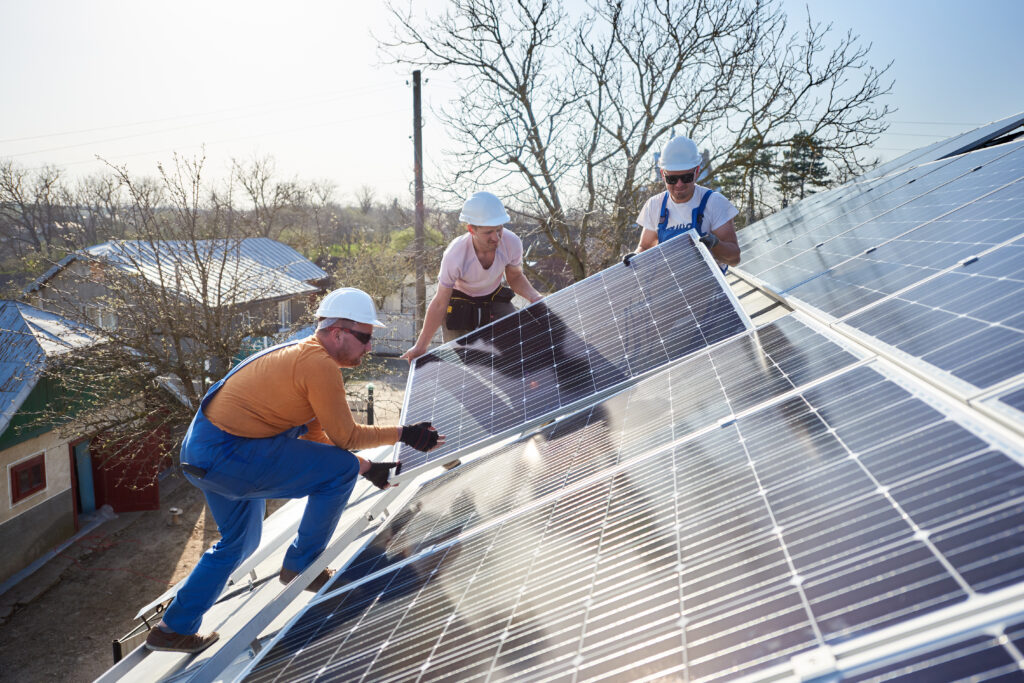
Solar Battery Installation (Full Process)
For grid-connected systems. Start by assessing your energy use and solar capacity. Choose a compatible battery and inverter, and install the battery near the main switchboard in a cool, ventilated area.
A licensed electrician should handle the wiring, ensuring all safety standards are met. Once connected, add a monitoring system to track performance and include essential safety measures like isolation switches and proper labeling.
In an off-grid setup, you have to determine your daily power needs and required backup duration. Install a larger solar array to support a continuous energy supply. Set up a battery bank to reach the desired capacity.
Add a charge controller and inverter to regulate power flow and include a backup generator for low-sunlight days. An energy management system ensures efficient distribution of stored energy.
For hybrid systems. Connect existing solar panels to a new battery storage unit and install a hybrid inverter to manage both solar and grid power.
Configure the system to use solar energy first, then grid power when needed. Set up backup circuits for essential appliances and integrate a smart monitoring system to optimize battery and grid use.
Benefits of Installing a Solar Battery
Installing a solar battery offers a range of benefits that go beyond simply storing excess solar energy.
- One of the biggest advantages is energy independence. You can rely less on the grid and more on your own power supply, especially during blackouts or peak-demand periods. This independence provides peace of mind but also ensures consistent energy access when grid power is unstable or unavailable.
- Another major benefit is cost savings.
- A solar battery allows you to maximize the efficiency of your solar panels. Instead of sending surplus energy back to the grid for minimal credit, you can store and use it later.
- If you look at it from an environmental standpoint, solar batteries help promote clean energy consumption by reducing dependence on fossil-fuel-generated electricity.
In 2024, 71% of new global storage capacity came from lithium-ion systems.
Conclusion
Solar battery installation is a smart move every home should consider in order to become more energy-independent, save, and minimize its environmental footprint. Learning about what systems to use, what their main characteristics are, and how the battery should be installed. Homeowners will be able to maximize their use of solar power.
Regardless of whether you are going grid-connected, off-grid, or hybrid, a solar battery is the solution to the need to convert your solar panels into a full-time energy source.
Having professional installation and proper planning will result in long-term savings, dependable backup power, and a cleaner future for the solar batteries. It is time to gain control over your energy.
FAQs
1. How much does it cost to install a solar battery?
Installation costs vary based on battery size, type, and installation complexity. Typical grid-connected home systems range from $12,000 to $20,000, including battery, inverter, and installation. Smaller systems, such as portable solar battery systems, are priced between 3500 and 5000 AUD.
2. Where is the best place to install solar batteries?
Batteries are to be kept in well-ventilated and cool, dry places such as a garage or a utility room.. Avoid direct sunlight, flooding, or extreme temperatures. Outdoors is possible but requires protective housing and shade.
3. How long does it take for solar battery installation?
Professional installation usually takes 1–3 days, depending on system complexity, battery size, and existing electrical setup. Hybrid or off-grid systems may take longer.
4. Can you DIY the solar battery installation?
DIY installation is not recommended due to safety risks, electrical code compliance, and complexity. Licensed professionals ensure correct wiring, secure placement, and safe operation.