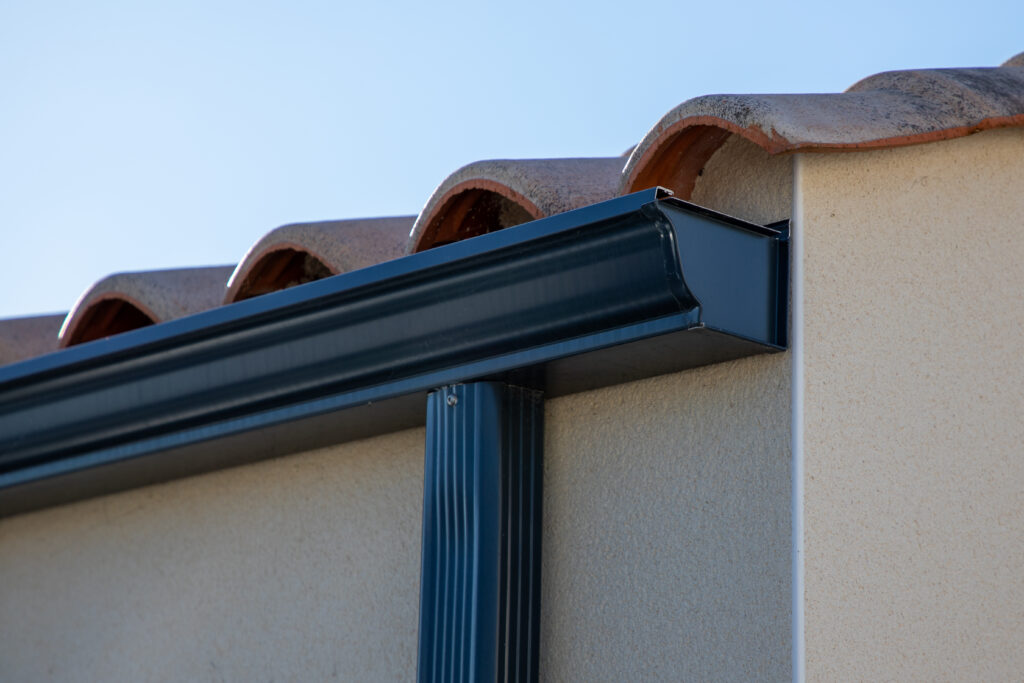
Your roof does most of the heavy work in keeping your house safe from the outside world and dry. Even the strongest roof in the world, however, can land itself in deep trouble if it lacks one tiny yet important element: the drip edge. It’s easy to overlook, yet this humble metal flashing is integral in keeping your house free from water damage, mold, and costly repairs.
Choosing the best drip edge for roof protection is about keeping your house in good condition. A proper drip edge operates quietly, directing rain away and protecting the edges of your roof from rot, leaks, and costly repairs. To learn more, read this expert guide.
We will walk you through the importance of drip edges, the options available, and the signs that indicate it needs replacement. With the proper drip edge in position, your roof will be stronger, longer-lasting, and provide you with peace of mind every time it rains.
What is a Drip Edge?
A drip edge is basically a small strip of metal that sits neatly along the edges of your roof. Simple, right? However, don’t let its size fool you; it plays a significant role in keeping your home safe.
Its main purpose is to guide rainwater away from the edges of your roof and into the gutters, where it belongs.
Without a drip edge, water can sneak underneath your shingles, soak into the wood, and cause rot or mold over time. In severe cases, that moisture can even seep inside your home. That’s why roofers like to call it the “silent protector” of the roof.
Think of it like an umbrella edge: your shingles keep most of the rain out, your gutters carry the water away, and the drip edge makes sure nothing slips through the cracks. It’s a small detail, but one that can save you a lot of money and headaches in the long run.
Types of Drip Edge
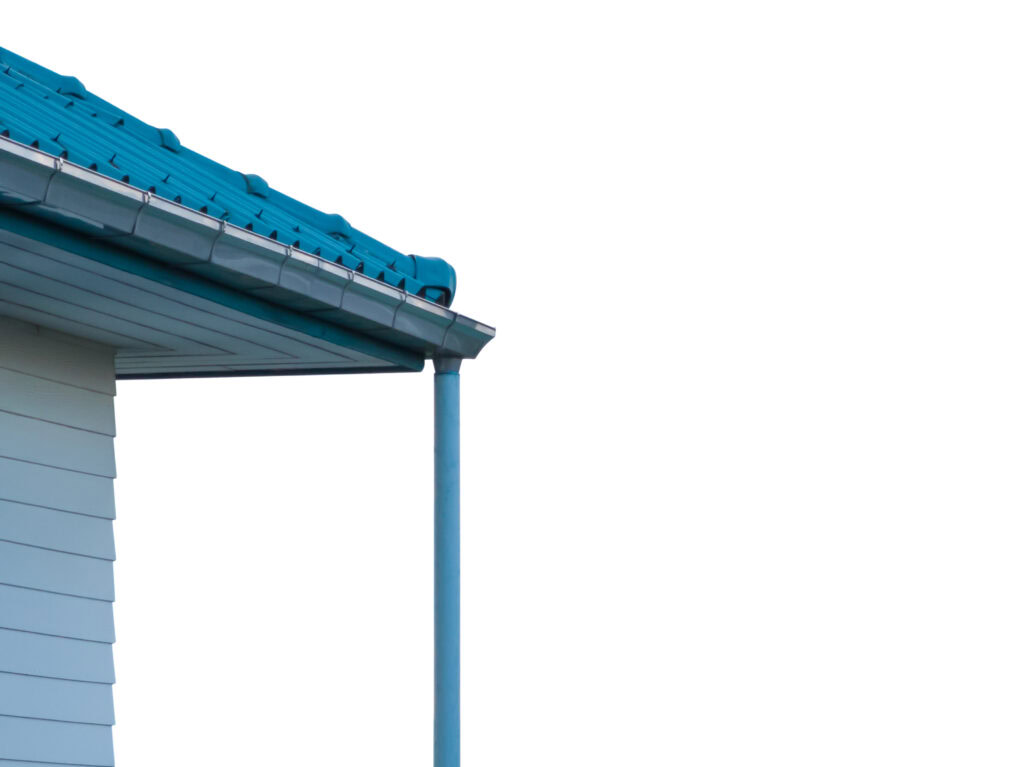
Not all drip edges are created equal. Depending on your roof design and local climate, some styles work better than others. Here are the most common types you’ll come across:
1. Type C Drip Edge
Also known as the “L-shaped” drip edge, Type C has a simple 90-degree bend. It’s one of the most commonly used because it’s easy to install. However, it may not provide as much coverage as other types, especially in areas that experience heavy rainfall.
2. Type D Drip Edge
This is often referred to as a “T-style” drip edge due to its distinctive shape. It extends further away from the roof, making it more effective at directing water straight into the gutter. If you’re dealing with frequent storms, this style might be the best drip edge for roof protection.
3. Type F Drip Edge
Type F, sometimes called “F-style” or “gutter apron,” has a longer edge that tucks directly into the gutter system. It’s commonly used when replacing roofs or adding a drip edge to an existing roof because it overlaps well with existing shingles.
4. Materials Matter
Beyond shape, drip edges are available in a variety of materials. Aluminum is lightweight and affordable, making it a popular choice among consumers. Galvanized steel offers strength and durability, while copper, although slightly more expensive, provides a premium look and long-lasting performance.
Installing a Drip Edge
Installing a drip edge is usually part of a new roof installation, but it can also be added to an existing roof if needed. Here’s what you should know:
Installing a Drip Edge on a New Roof
This process is straightforward. Roofers lay the drip edge along the eaves before installing shingles, ensuring a clean overlap. It becomes part of the roofing system from the start, which is always ideal.
Installing a Drip Edge on an Existing Roof
Maybe your roof wasn’t built with a drip edge (surprisingly, many older homes weren’t), or maybe your current one is damaged. The good news is, it’s still possible to add one. Roofers carefully lift the first row of shingles, slide the new drip edge underneath, and secure it in place. It takes some expertise to do this without damaging the shingles, which is why it’s best left to professionals.
Advantages of Installing Drip Edges
Here’s why adding or upgrading to the best drip edge for roof protection is worth it:
- Prevents Water Damage: A drip edge keeps water away from the fascia and roof deck, protecting the area from potential damage. This reduces the risk of water damage and associated issues, such as rot and leaks.
- Protects Your Foundation: By channeling water into the gutter, a drip edge lowers the chances of basement flooding and foundation cracks.
- Keeps Pests Out: A drip edge seals small gaps where insects, birds, or rodents might otherwise sneak into your roof.
- Extends Roof Life: Improved drainage from a drip edge helps protect shingles and gutters, allowing them to last longer.
- Boosts Curb Appeal: With copper or aluminum finishes, a drip edge can even add a subtle, polished look to your roofline.
Common Signs Your Drip Edge Needs Replacement
Even the best materials wear out over time. Here are a few signs it may be time to replace your drip edge:
- Water stains or leaks near the edge of your ceiling.
- Rotten wood along the fascia or soffit.
- Gutters are pulling away because water has been seeping behind them.
- Visible rust, dents, or cracks in the drip edge itself.
- Pests are nesting in small gaps under your shingles.
If you notice any of these, it’s worth calling in a roofer to inspect the situation. Sometimes replacing just the drip edge can save you from much bigger repairs down the line.
Drip Edge vs. Rake Edge
Homeowners often get confused between drip edges and rake edges, but they’re not the same.
- Drip Edge: It is installed along the eaves (the lower part of the roof where water runs off into the gutters). The purpose of a drip edge is to direct water away from the fascia.
- Rake Edge: This is installed along the gable ends (the sloped sides of the roof). Hence, it mainly protects against wind-driven rain and helps secure shingles from blowing off.
Both are important, but when it comes to controlling water flow and preventing leaks, the drip edge is your best option.
Is a Drip Edge on a Roof Necessary?
Yes. Many building codes now require drip edges on new roofing installations. Skipping it may save a little money upfront, but the long-term cost of water damage is far greater.
Think of it like wearing a raincoat. The drip edge is that extra layer of protection your roof needs to stay strong and leak-free.
Choosing the Best Drip Edge for Roof Protection
Now that you know what a drip edge does, the question is: which one is right for you? The answer depends on a few factors:
| Climate | If you live in a rainy or storm-prone area, Type D or F styles with extended coverage are usually best |
| Budget | Aluminum is affordable and effective, while copper is pricier but lasts decades. |
| Roof Style | Some roofs are better suited for one shape over another. A roofing professional can help you match the right type. |
| Existing Roof vs.
New Installation |
If you’re adding a drip edge to an existing roof, Type F may be the easiest fit. |
At the end of the day, the best drip edge for roof protection is the one that keeps water exactly where it belongs, away from your home.
Final Thoughts
Your roof protects everything that matters most inside your home. The drip edge plays a pivotal role in ensuring rainwater is directed away smoothly, thereby preventing potential damage to the roof, walls, and foundation of your home.
Whether you’re replacing an old roof or ensuring your current one is in top shape, paying attention to the small details, such as selecting the best drip edge for roof protection, can save you a significant amount of stress and money down the road.
At Roof Guys, we know those “small details” are what set a strong, reliable roof apart. Our experienced team takes the time to do the job right, from start to finish, so you don’t have to worry when the next big storm rolls in.
We proudly serve homes and businesses across Kentucky, offering roof repairs, replacements, and installations with superior Owens Corning products, fast turnaround, and honest customer service.
If you’re ready for a roof built with care, call Roof Guys today for a free estimate. Let’s make sure your home stays safe, dry, and worry-free for years to come.