Think about the last time you admired a house. Chances are, the first thing that caught your attention wasn’t the paint color or the front porch; it was the roof. Some roofs tower dramatically with steep slopes, while others stretch with modern, minimal angles. That unique look is defined by the roof pitch design, and it’s about much more than appearances.
The roof pitch designs play a major role in how well your home withstands rain, snow, and wind. It affects the home’s energy efficiency, attic space, and the roofing maintenance plan. Simply stated, the right roof pitch design is a balance between style and practicality.
In this guide, we’ll walk you through what a pitched roof really is, the most common types, mistakes homeowners often make, and how you can decide which roof pitch is best for your house.
What is a Pitched Roof?
A pitched roof is simply a roof with a visible slope, designed to do more than just look good; it’s built to work with gravity. The angle helps rain, snow, and debris slide off easily thereby reducing the risk of leaks or water damage. In contrast, flat roofs tend to hold water, which means they need extra protection and maintenance.
The benefits of a pitched roof are hard to miss. They’re incredibly durable because the slope naturally relieves stress from heavy rain or snowfall. With the right insulation and ventilation, they can also improve your home’s energy efficiency, helping regulate indoor temperatures year-round.
Besides this, a pitched roof can dramatically boost curb appeal. Whether you want a timeless, traditional charm or a clean, modern edge, the roofline plays a huge role in defining your home’s character.
Factors That Influence Roof Pitch Designs
Picking the right roof pitch isn’t just about going with a design that looks nice in a photograph. There are multiple factors that you must consider to make an informed choice.
For example, where you live plays a huge role. If you’re in a snowy area, a steeper pitch keeps all that heavy snow from sitting on your roof. In hotter, drier climates, a lower slope makes more sense; it’s practical and often more affordable.
Furthermore, local building codes may guide your choice to make sure your roof is safe and built to last.
Other factors include style and budget. The pitch has to match your home’s personality; a colonial design feels natural with a traditional slope, while a modern home looks best with clean, minimal angles.
Similarly, the cost of the roof pitch matters equally. Steeper roofs may look stunning and last longer, but they’re pricier to build. On the other hand, simpler slopes are easier on the wallet, though they might need a little more maintenance depending on your climate.
Most Common Pitched Roof Types
Homeowners today can choose from a variety of pitched roof types, each offering different benefits based on climate, budget, and design preferences. When exploring roof pitch designs, you’ll notice a few timeless styles that stand out for their durability.
Gable Roof
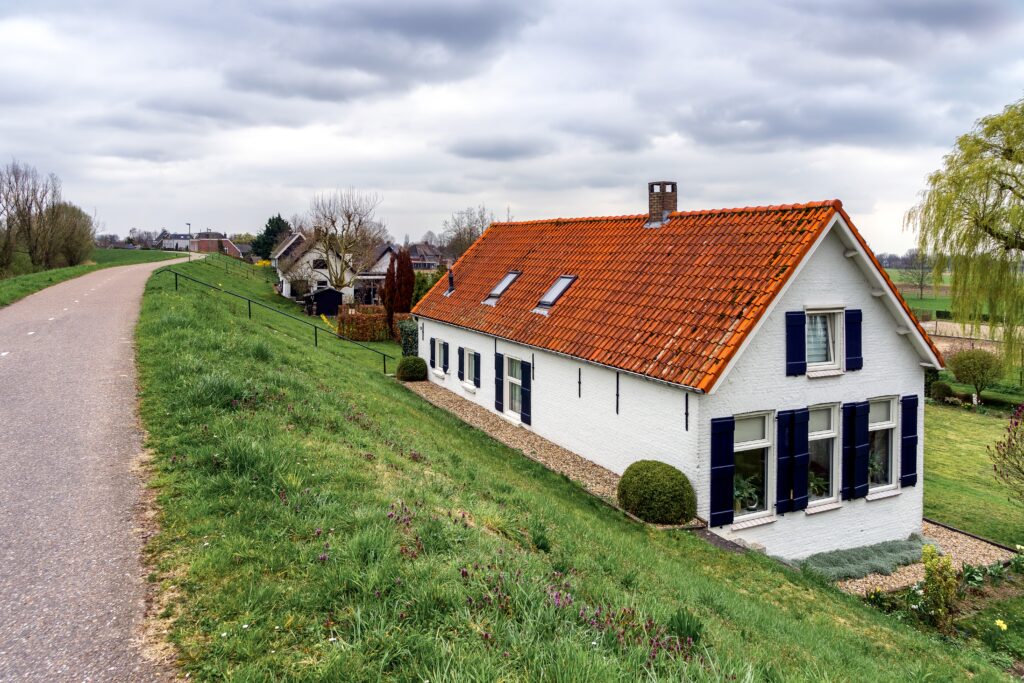
The gable roof is the classic triangular shape. It’s simple, affordable, and great at shedding water. The only drawback is that it struggles in areas with strong winds.
Hip Roof
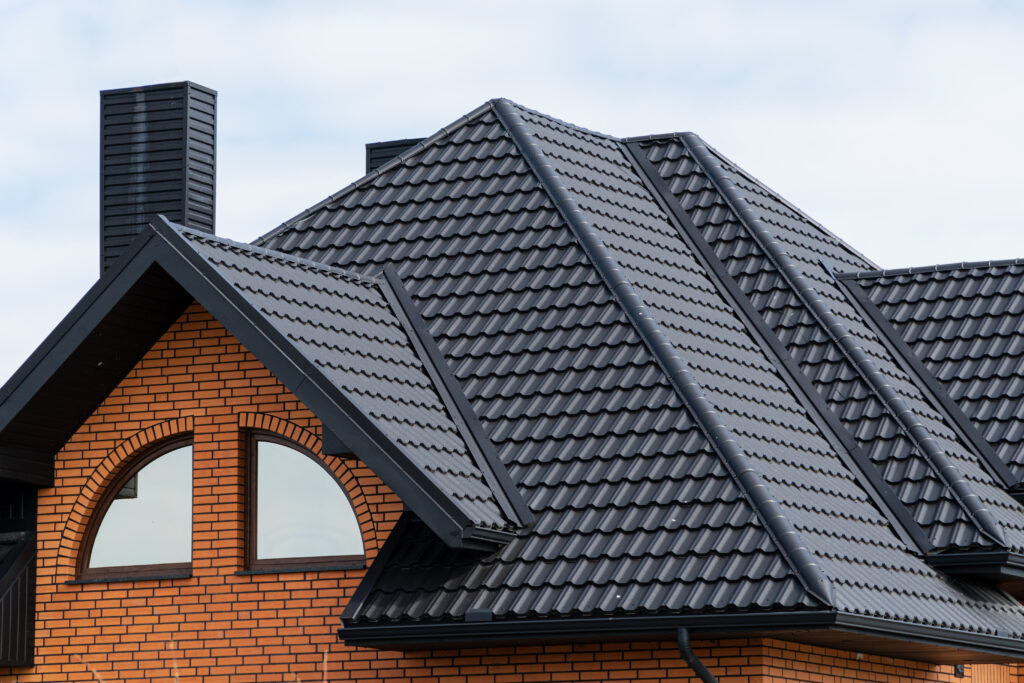
A hip roof slopes down on all four sides, making it sturdy and stable. It’s an excellent choice for storm-prone regions but costs more to build because of its complexity.
Mansard Roof
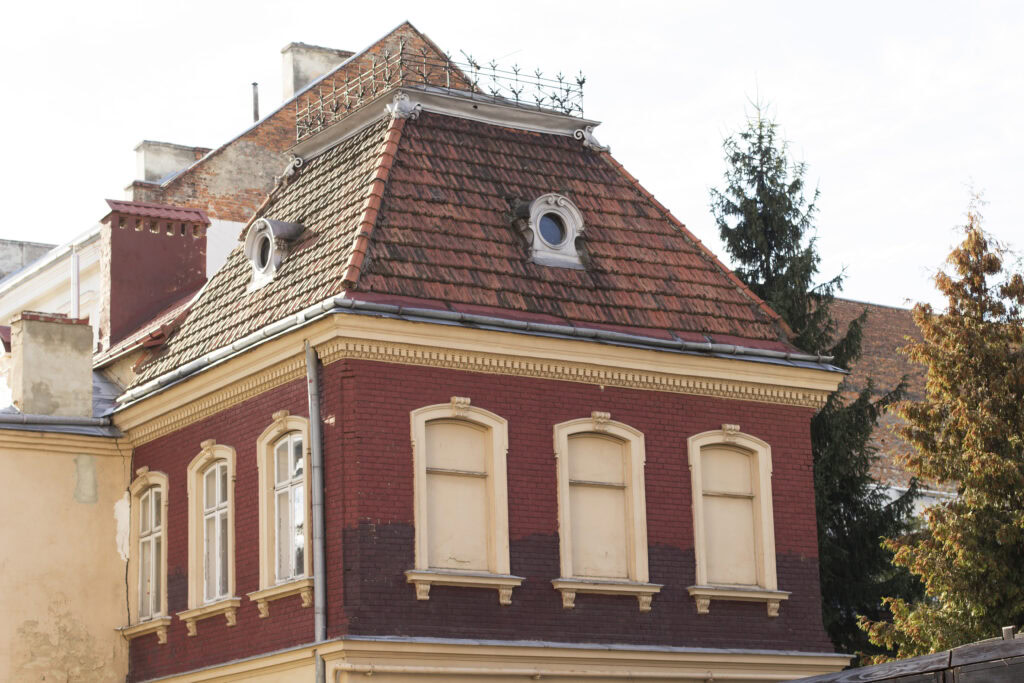
Inspired by French architecture, the mansard roof has two slopes on each side, with the lower one being steeper. This design creates extra attic or living space but comes with higher construction costs and isn’t ideal for heavy snowfall.
Gambrel Roof
Often seen on barns and farmhouses, the gambrel roof also has two slopes, with the lower one being much steeper. It offers lots of attic storage at a reasonable cost, but it is less resistant to strong winds.
Saltbox Roof
The saltbox roof has one long slope and one short slope, giving it a charming, asymmetrical look. It handles rain well and adds character but the uneven structure can be more challenging to build.
Shed Roof
A shed roof, also called a skillion, uses a single slope for a clean, modern style. It’s perfect for solar panels and contemporary homes, though it limits attic space and requires good drainage planning.
Combination Roof
Combination roofs mix two or more styles, making the roof appealing and functional. They create a unique look but are usually more expensive and may need extra maintenance.
Common Roof Pitch Mistakes
Even the smartest roof patch designs can go wrong if key details are overlooked. A common mistake is choosing the wrong pitch for the climate.
A shallow slope in snowy areas, for example, will cause snow buildup, leading to leaks or roof damage.
Another frequent issue is neglecting ventilation and insulation. Without them, even the most appealing roof can trap moisture, creating mold, mildew, or heat buildup in the summer.
Homeowners also sometimes forget to check building codes, which can cause costly delays in permits or even fines.
Material choice matters too; not all roofing materials suit every slope. Asphalt shingles, for example, aren’t recommended for very low slopes.
And finally, focusing only on aesthetics without considering function can be a costly error. A roof should look good, but it also has to perform.
How to Determine the Best Pitched Roof for Your House?
Here are the factors that you must consider to narrow down your choices and find the best pitched roof for your home:
-
Climate Matters
The first step is to think about your climate. If you’re in a snowy or rainy area, a steep slope is the safest bet. For dry or temperate climates, you have more flexibility in choosing a style that matches your aesthetic.
-
Home’s Architecture
Next, look at your home’s architecture. A roof should complement your home’s design, not fight against it. A sleek shed roof may look stunning on a modern build, but out of place on a classic farmhouse.
-
Budget
Budget is another key factor. While steeper roofs may have a higher upfront cost, they often require less maintenance in wet climates. On the other hand, lower-pitched roofs can save money during installation but may cost more in long-term upkeep.
-
Professional Consultation
Consulting a roofing professional is crucial. This is because a roof design is complex, and only an expert can guide you toward the right pitch that balances durability, aesthetics, and budget.
Wrapping Up
Your roof isn’t just another part of your home; it’s the crown that protects everything underneath it. The right roof pitch designs can make your house safer, while the wrong choice can lead to costly problems down the road.
At Roof Guys, we understand the importance of that choice. Our team of highly experienced craftsmen is dedicated to providing nothing but the highest quality roofing solutions, delivered on time and with complete transparency. We proudly serve both commercial and residential properties throughout Kentucky, specializing in roof repairs, roof replacements, and new roof installations.
When you work with us, you also get: free estimates, 1-day master installation, Superior Products from Owens Corning, and Transparent Customer Service.
So, are you ready to find the perfect pitched roof for your home? Call Roof Guys today and let’s build something lasting together.