What is the first thing that comes to your mind when you think of roofing? Usually, shingles and leaks are the first thoughts that come. But one key thing most of us miss out is the fascia roof. If this did not exist, then gutters would have nothing to be attached to, roofing would look incomplete, and your overall home would be more prone to water damage and pests.
So, what is fascia on a roof exactly, and why should you care? Let’s get into the details.
What Is a Fascia Roof?
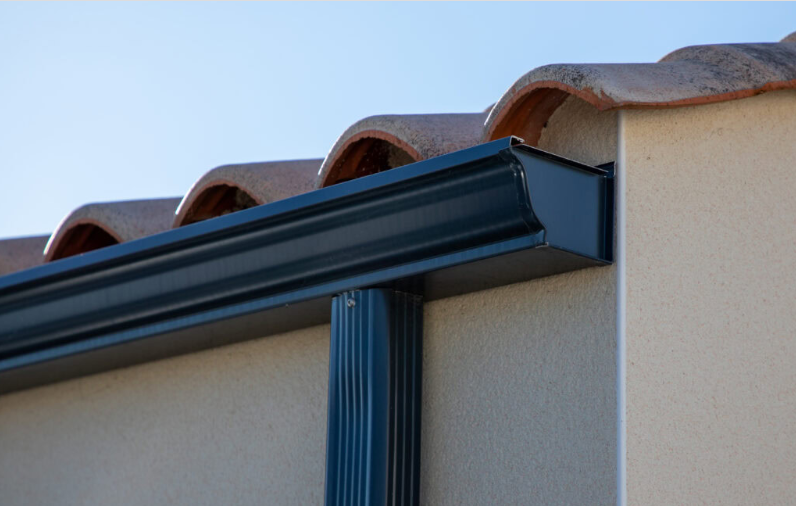
The fascia roof is the long, straight board that runs along the lower edge of your roof, right where the roof meets the outside walls of your home. Think of it as the finishing edge of your roofline.
Its job is bigger than it looks.
- It supports the bottom row of shingles.
- It holds the gutter system in place.
- It protects your roof from water, wind, and pests.
- It gives your roof a clean, polished look.
Fascia boards are usually made of wood, aluminum, PVC, or composite materials. Each comes with its own benefits, but no matter the material, the role of fascia roof boards stays the same, they are the backbone of your roof’s edge.
Fascia vs. Soffit
Homeowners often confuse fascia with soffit, but they’re different.
- Fascia roof– The vertical or horizontal board running along the roof’s edge, supporting shingles and gutters.
- Soffit– The underside of the overhang, covering the space beneath the fascia and roof edge.
In short, fascia is what you see from the street, and soffit is what you see if you’re standing under the roof overhang. Together, they keep your roofline looking neat and functioning properly.
Types of Roof Fascia
Not all fascia boards are created equal. Here are the most common types:
Wood Fascia– Traditional, strong, and affordable, but requires regular maintenance to prevent rot.
Aluminum Fascia– Lightweight, rust-resistant, and low-maintenance.
Vinyl/PVC Fascia– Durable, water-resistant, and available in different colors.
Composite Fascia- Made from a mix of materials for strength and longevity.
Choosing the right fascia roof material often depends on your budget, climate, and maintenance preferences.
Why Fascia Is Important for Your Roof
Fascia boards may seem small, but they play a huge role in your roof’s overall health.
- Keeps water out: Prevents rain from seeping into your home.
- Supports gutters: Holds heavy gutters full of water in place.
- Blocks pests: Stops birds, insects, and small animals from sneaking into your roof.
- Improves appearance: Creates a sharp, clean roofline that boosts curb appeal.
Without a solid fascia roof, you risk leaks, sagging gutters, pest infestations, and long-term structural issues.
Common Signs of Fascia Roof Repair and Replacement
How do you know if your fascia needs attention? Watch out for these signs. Cracked or split boards, sagging or warped edges, bubbling or peeling paint, water stains on the roofline, and gutters pulling away from the roof. Spotting these early can save you from bigger, more expensive roofing problems later.
Causes of Fascia Damage
Fascia roof boards can wear down for many reasons.
- Water buildup from clogged gutters
- Extreme sun exposure, which causes materials to crack or weaken
- Heavy storms or wind, pulling gutters and fascia loose
- Poor ventilation, leading to moisture buildup inside your attic
- Pests, such as termites or carpenter ants, chewing through wooden fascia
Knowing the causes makes it easier to take steps toward prevention.
Prevention of Fascia Roof Damage
You can extend the life of your fascia with simple maintenance: clean your gutters regularly so water doesn’t sit against the fascia, repaint or reseal wooden fascia every few years, trim back overhanging branches to reduce storm damage, check attic ventilation to avoid moisture buildup, and schedule regular roof inspections with a professional. These small steps go a long way in keeping your fascia roof strong and problem-free.
FAQs About Fascia Roof
a) How much does fascia repair and replacement cost?
As of 2026, fascia replacement runs about $7 to $22 per linear foot installed, so a full project typically lands between $1,050 and $3,300 (around $2,500 on average), according to Angi. Small spot repairs cost far less. A local quote is always more accurate, since price varies with material, access, and any hidden rot found once the old board is off.
b) Do roofers replace fascia?
Yes! Professional roofers handle fascia repairs and replacements all the time.
c) How long does it take to replace fascia?
Most jobs can be done in a single day, depending on the size of your home and condition of the roofline.
d) Do gutters cause fascia to rot?
They can. Clogged or leaky gutters trap water against fascia boards, which often leads to rotting.
e) Do you have to remove gutters to replace fascia?
In many cases, yes. Gutters are attached to fascia, so replacing them often means taking gutters off first, then reinstalling or upgrading them.
How a Roofing Expert Can Help You
If your fascia roof is showing signs of wear, don’t wait until the damage spreads. A professional roofer can inspect the fascia, recommend repair or replacement, and even check your gutters and soffits at the same time.
At Roof Guys in Louisville, Kentucky, we’ve seen firsthand how neglected fascia can lead to leaks, rotting wood, and costly structural issues. Our team uses quality materials and expert installation to make sure your fascia roof lasts for years to come.
Final Thoughts
So, what is fascia on a roof? It’s more than just a finishing board , it’s your roof’s first line of defense against water, pests, and structural damage. By keeping your fascia roof in good shape, you’re protecting your entire home.
If you notice cracks, sagging, or damaged boards, call the experts at Roof Guys. We’ll keep your fascia roof strong, your gutters secure, and your home protected , rain or shine.